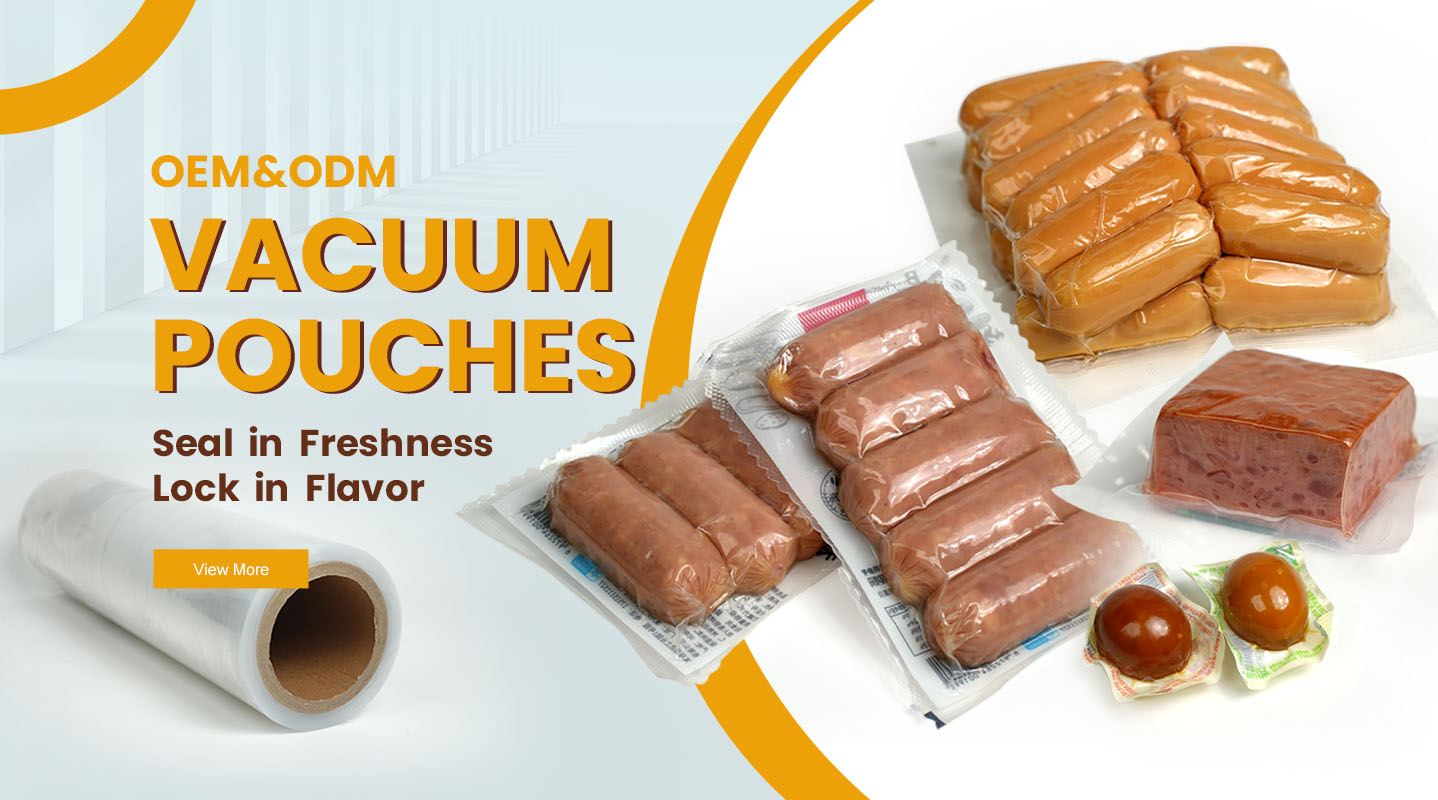
Film transparency plays an important role in food packaging because buyers often judge food quality through visual appearance before reading product details. Clear packaging helps show freshness, color, texture, and cleanliness, especially for meat, seafood, cheese, ready meals, vegetables, and bakery products.
For retail food products, the package is part of the buying decision. A high-clarity Food Packaging Film allows customers to see the real condition of the product inside. When the film looks cloudy, uneven, or scratched, the product may appear less fresh even when the food quality is acceptable.
Transparent food packaging film is widely used in Vacuum Pouches, thermoForming Film, tray sealing film, lidding film, and laminated packaging. It helps brands present food in a cleaner and more professional way.
Clear film improves product visibility under supermarket lighting and refrigerated display cabinets. This is especially useful for fresh meat, seafood, deli products, and prepared foods.
Food processors can quickly check color, moisture, air bubbles, foreign matter, or sealing defects through transparent packaging. This improves production control and reduces defective shipments.
High-transparency packaging makes labels, food texture, and product color easier to recognize. It can support premium positioning without needing excessive printed graphics.
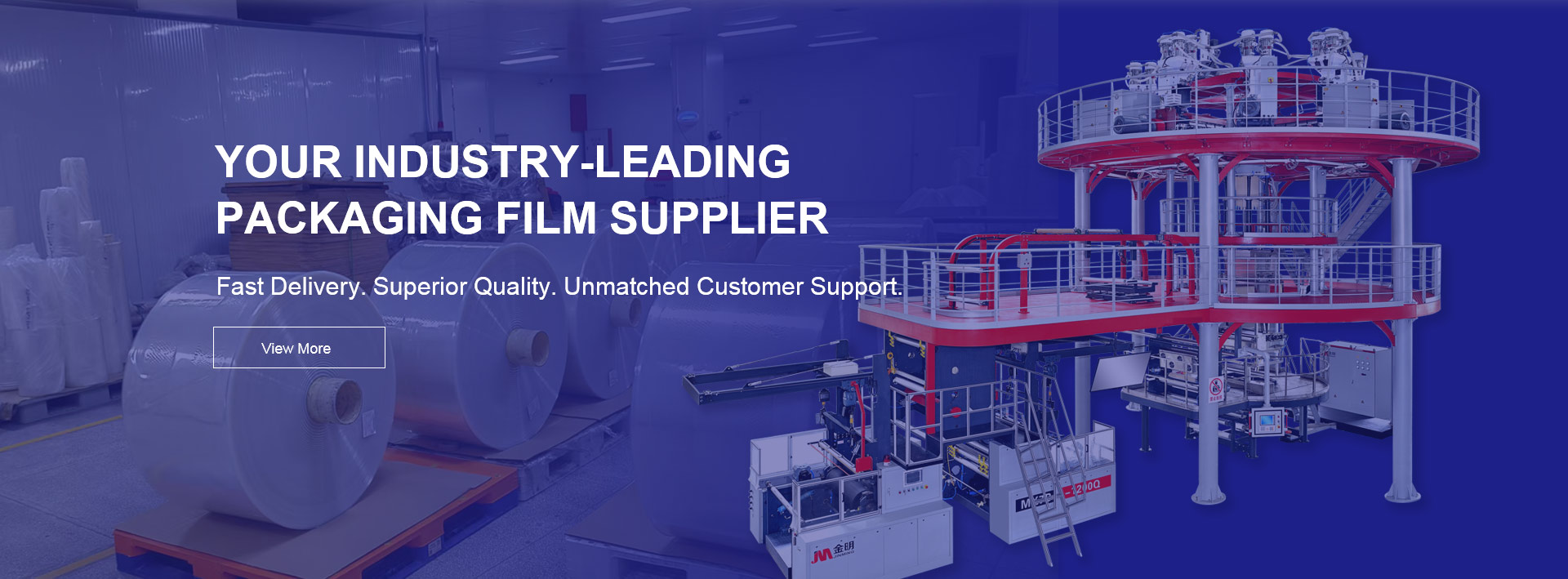
Film transparency can be affected by raw material quality, resin formula, extrusion temperature, film thickness, lamination process, cooling control, and storage conditions. A professional food packaging manufacturer should control haze, gloss, thickness tolerance, and surface flatness during production.
Transparency is not only about appearance. It also supports quality control, retail sales, brand trust, and customer experience. For food factories, choosing transparent food packaging film with stable clarity and barrier performance can improve both product protection and market presentation.