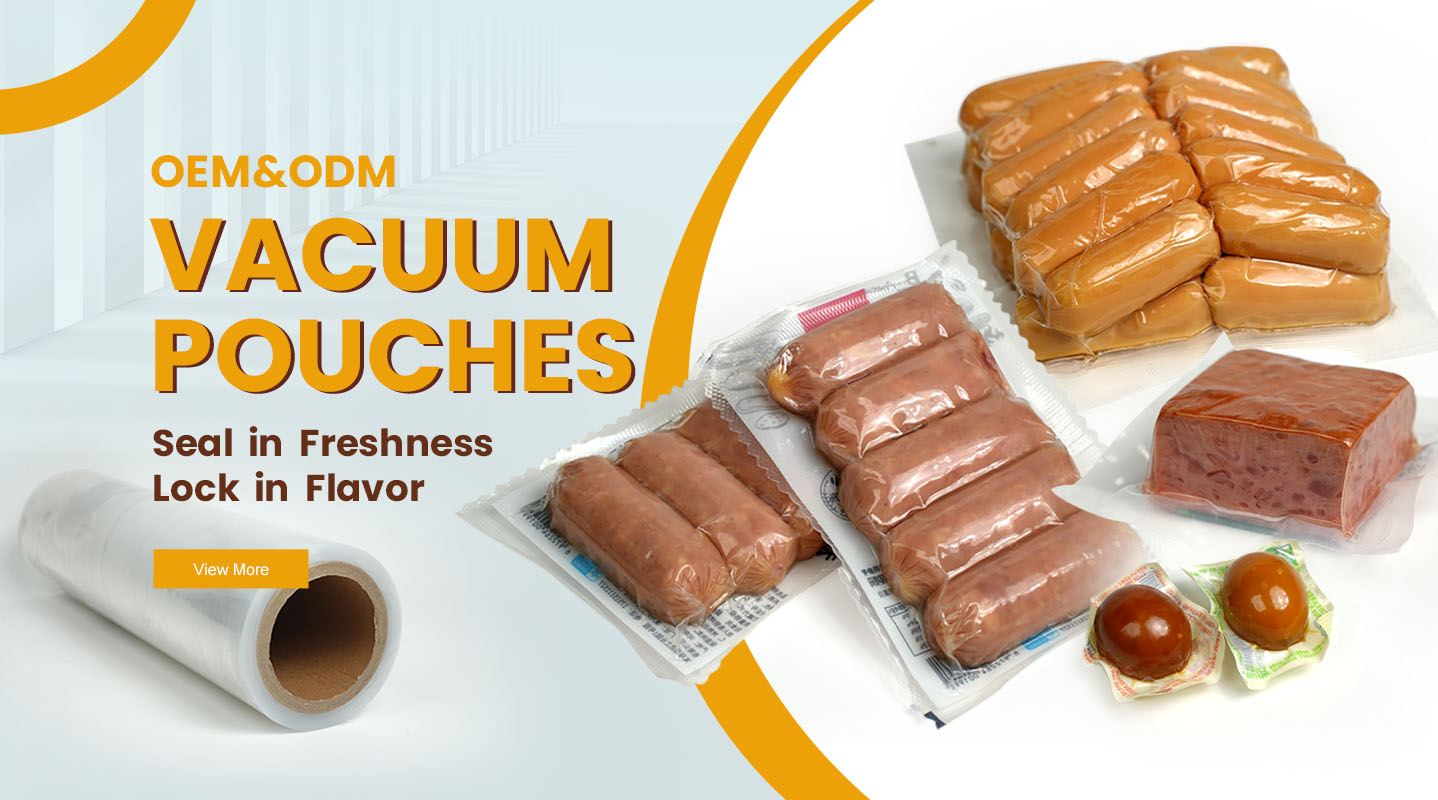
vacuum packaging is essential for preserving meat quality, preventing contamination, and extending shelf life. However, packages containing meat with bones sometimes break during storage or transportation. Understanding the reasons behind vacuum bag failure helps manufacturers choose the right materials, improve processing methods, and ensure product safety. Proper selection and handling of vacuum packaging bags play a critical role in protecting products while maintaining efficiency in commercial operations.
Bones create concentrated pressure points inside vacuum-sealed packages. Sharp edges or irregular shapes can puncture the film during sealing, handling, or transport. Even minor micro-tears can expand over time, resulting in broken vacuum bags. Studies show that vacuum bags exposed to bones without protective cushioning experience up to 25% more failures than those using puncture resistant vacuum bags. Selecting films with high puncture resistance reduces the likelihood of breakage and maintains vacuum tightness.
The strength of vacuum packaging bags depends on their material composition and thickness. Multi-layer films combining polyamide (PA) and polyethylene (PE) provide a balance between flexibility, elasticity, and barrier performance. PA layers offer puncture resistance, while PE layers ensure strong heat sealing. A vacuum bag with tensile strength above 30 MPa and tear resistance above 150 g significantly reduces rupture risks when packaging bone-in meat.
Barrier properties are equally important. Low oxygen and water vapor transmission rates minimize oxidative spoilage and moisture loss. Films with an oxygen transmission rate below 12 cc/m²/24h and a water vapor transmission rate below 3 g/m²/24h protect product quality and ensure vacuum integrity over prolonged storage periods.
Improper vacuum sealing increases the risk of bag rupture. Inadequate vacuum pressure leaves air pockets around bones, while uneven heat sealing can weaken the edges. Both factors create vulnerabilities that expand during storage or transit. Automated sealing systems calibrated for bone-in products ensure consistent vacuum levels and uniform seal strength. Temperature-controlled sealing and real-time monitoring further enhance package reliability.
Temperature changes during storage or shipping affect vacuum bag performance. Cold storage minimizes microbial growth but trapped gases may expand during slight warming, stressing the bag and potentially causing breaks. Bone-in packages are particularly sensitive because rigid edges concentrate internal pressure. Using puncture resistant vacuum bags designed for thermal stability reduces the risk of breakage, even under variable temperature conditions.
Mechanical stress during transport and handling is another major factor in vacuum bag failure. Stacking heavy pallets, dropping packages, or rough handling can puncture or tear films. Bone-in meat is more prone to damage due to sharp points contacting the bag surface. Proper cushioning, careful stacking, and high-quality films mitigate these risks. Meat bag suppliers often recommend reinforced films and standardized handling procedures to preserve package integrity.
Vacuum packaging aims to limit oxygen exposure and inhibit microbial growth. However, broken bags compromise the vacuum, allowing bacterial activity to increase and potentially producing gas inside the package. This internal pressure further stresses the packaging and accelerates failure. Choosing films with high barrier performance and ensuring proper vacuum application help maintain safety and freshness throughout distribution.
Modern solutions for bone-in meat include multi-layered, puncture resistant vacuum bags with optimized thickness and elasticity. These films resist sharp points, conform closely to irregular shapes, and maintain seals even under mechanical or thermal stress. Reinforced films also improve puncture resistance without compromising flexibility, ensuring consistent performance across production lines.
| Feature | Typical Standard | Recommended for Bone-In Meat |
|---|---|---|
| Tensile Strength (MPa) | 25 | 35 |
| Tear Resistance (g) | 120 | 180 |
| OTR (cc/m²/24h) | 20 | 12 |
| WVTR (g/m²/24h) | 6 | 3 |
| Film Thickness (μm) | 70 | 90 |
These specifications illustrate the enhanced properties necessary to withstand the challenges of packaging meat with bones, helping reduce waste and maintain product quality.
Partnering with an experienced meat bag supplier ensures the selection of suitable vacuum packaging bags for bone-in products. Suppliers can provide technical guidance on film selection, sealing parameters, and storage recommendations. They also assist with quality control measures to detect potential weaknesses before distribution, reducing the incidence of package failure.
Vacuum bags break with bones due to a combination of factors: sharp edges, concentrated pressure points, insufficient film strength, inadequate vacuum sealing, temperature changes, and mechanical stress. Using puncture resistant vacuum bags with multi-layer construction, proper sealing techniques, and careful handling minimizes breakage. Selecting the right materials and working with knowledgeable suppliers ensures bone-in meat maintains vacuum integrity, extends shelf life, and preserves product quality from production to retail.