Bulk orders for Food Packaging Film should never be confirmed only by price and delivery time. A film may look suitable in a small sample, but problems can appear during large-scale packing, cold storage, vacuum sealing, shipment, or retail display. For meat, seafood, sausage, frozen food, and prepared food, packaging performance directly affects product freshness, leakage control, packing efficiency, and complaint risk.
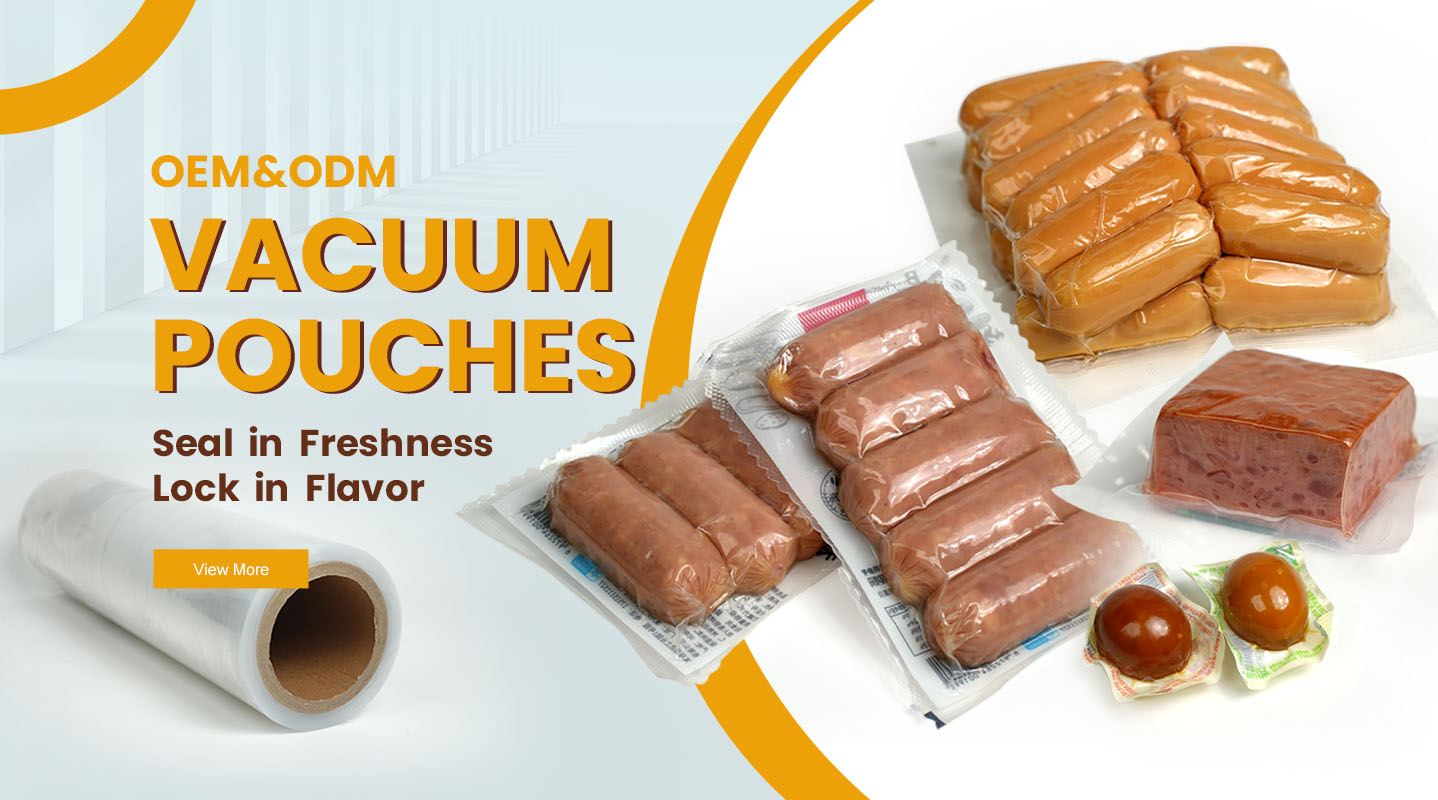
JINBORUN manufactures food packaging films, Vacuum Pouches, thermoForming Films, and barrier films for different food applications. From a manufacturer’s perspective, a clear packaging film bulk order checklist helps buyers reduce mistakes before mass production begins.
Different food products need different film structures. Frozen fish may need low-temperature flexibility and strong puncture resistance. Sausage packaging may focus more on oxygen barrier and clean presentation. Meat packaging may require good vacuum tightness, sealing strength, and resistance to sharp edges. Nuts may need moisture and aroma protection.
Before placing an order for bulk packaging film, the first question should not be only “what is the price?” The better question is “what product will this film protect, and under what conditions?” Product type, storage temperature, shelf-life target, filling method, and transport route should all be confirmed before selecting thickness, structure, and roll size.
The Food and Agriculture Organization reports that 13.2 percent of food is lost after harvest and before retail. This shows why packaging decisions matter. A poor film choice can increase product loss before the goods even reach the final market.
Packaging film performance depends heavily on structure. Common food packaging films may include PE for sealing, PA for strength, EVOH for oxygen barrier, or other functional layers depending on the required application. A low-price film without a suitable structure may lead to air leakage, poor freshness, freezer burn, or broken packs.
For products that are sensitive to oxygen, moisture, or odor transfer, barrier performance should be discussed clearly. A high-barrier structure may be necessary for meat, seafood, sausage, and frozen prepared food, while some short-cycle products may not need the same level of protection.
JINBORUN can support customized film structures according to food category, packing machine, sealing method, and cold-chain requirements. This helps avoid both over-design and under-design.
Seal strength is one of the most important factors in food packaging. A film that cannot seal consistently may cause air return, liquid leakage, loose vacuum packs, or product contamination risk. This is especially important when sourcing from a vacuum packaging film supplier, because vacuum packaging puts more stress on the sealed area after air is removed.
Before bulk production, test the film on the actual packing machine. Check sealing temperature, sealing time, pressure, vacuum level, product moisture, and packing speed. A sample that performs well by hand may not perform the same on an automatic line.
| Checklist item | Why it matters | Risk if ignored |
|---|---|---|
| Material structure | Decides strength and barrier performance | Wrong film for the product |
| Thickness tolerance | Affects sealing and machine running | Wrinkles or weak spots |
| Seal strength | Keeps packs closed and tight | Leakage and air return |
| Puncture resistance | Protects irregular food shapes | Broken bags during storage |
| Roll size | Matches machine requirements | Downtime and material waste |
| Cold storage test | Confirms low-temperature performance | Cracking after freezing |
Film thickness should be selected according to product weight, shape, sealing method, and storage environment. Thicker film is not always better, and thinner film is not always cheaper in the long term. If the film is too thin, it may break during packing or transport. If the film is too thick, it may increase material cost and reduce forming efficiency.
Roll width, roll length, core size, winding direction, and surface flatness should also be confirmed before mass production. These details affect how the film runs on packaging equipment. For thermoforming film, forming depth and thickness after stretching should be checked carefully.
The Flexible Packaging Association states that flexible packaging often provides a high product-to-package ratio and can reduce material use compared with many rigid formats. However, this advantage only works when specifications are correctly matched with the product and machine.
The MOQ is not only a purchasing number. It is connected with material preparation, production setup, printing arrangement, bag size, film structure, and order scheduling. Custom films usually require more planning than standard structures, especially when special thickness, barrier layers, printing, or roll dimensions are needed.
Before confirming the order, buyers should ask about available structures, minimum width, trial order options, printed film requirements, sample lead time, and bulk delivery time. For Customized Vacuum Pouches or printed laminated film, artwork confirmation and color control should also be included in the schedule.
JINBORUN supports practical customization for food packaging applications, helping customers balance quantity, specification, production efficiency, and cost control.
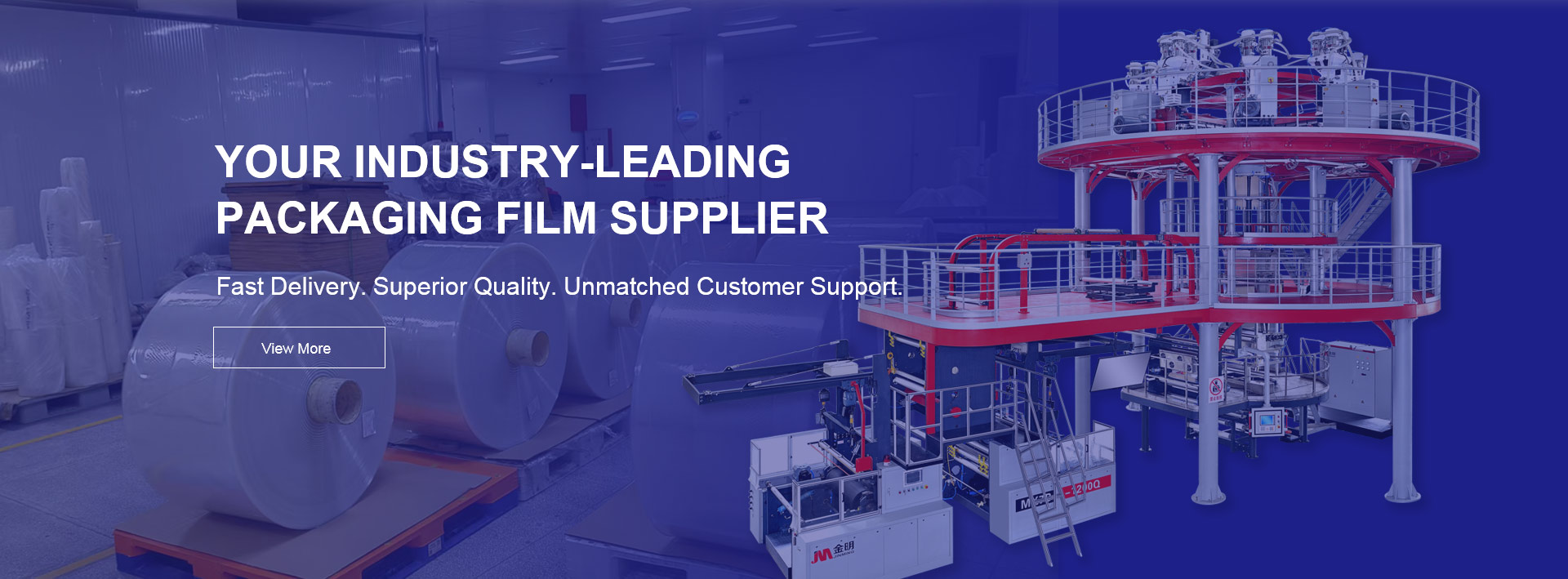
A proper supplier evaluation should include more than quotation comparison. Packaging quality depends on stable raw materials, experienced production teams, controlled extrusion, thickness inspection, sealing tests, and batch traceability.
A useful packaging supplier evaluation guide should check whether the supplier can explain material structure, recommend suitable film based on product application, provide samples for machine testing, maintain stable production, and support repeat orders with consistent specifications.
For long-term packaging procurement, supplier stability is very important. Food manufacturers need repeatable quality, not only a successful first sample. A reliable supplier should help reduce hidden risks such as delayed delivery, unstable sealing, inconsistent thickness, and unclear technical communication.
Food packaging materials often require clear documentation because they may contact food directly. Before placing a bulk order, buyers should confirm whether the supplier can provide product specifications, material information, test reports, production records, and batch identification.
Traceability helps solve problems faster. If leakage, sealing failure, or film breakage appears, batch records can help identify whether the cause comes from material, production, packing machine settings, or storage conditions.
JINBORUN focuses on food packaging film manufacturing with attention to material matching, production consistency, and application support. A well-prepared bulk order checklist makes communication clearer and reduces risk before mass production starts.
Bulk ordering packaging film should be based on product application, film structure, sealing performance, machine compatibility, supplier capability, and documentation. When these items are checked before production, packaging becomes more stable, cost becomes easier to control, and food products are better protected throughout storage and delivery.