Stable packaging performance does not happen only at the final inspection stage. It starts from material selection, production control, machine adjustment, operator training, and batch traceability. For food processors, inconsistent packaging quality may lead to leaking packs, unstable sealing, poor appearance, product waste, slower packing lines, and higher complaint rates after delivery.
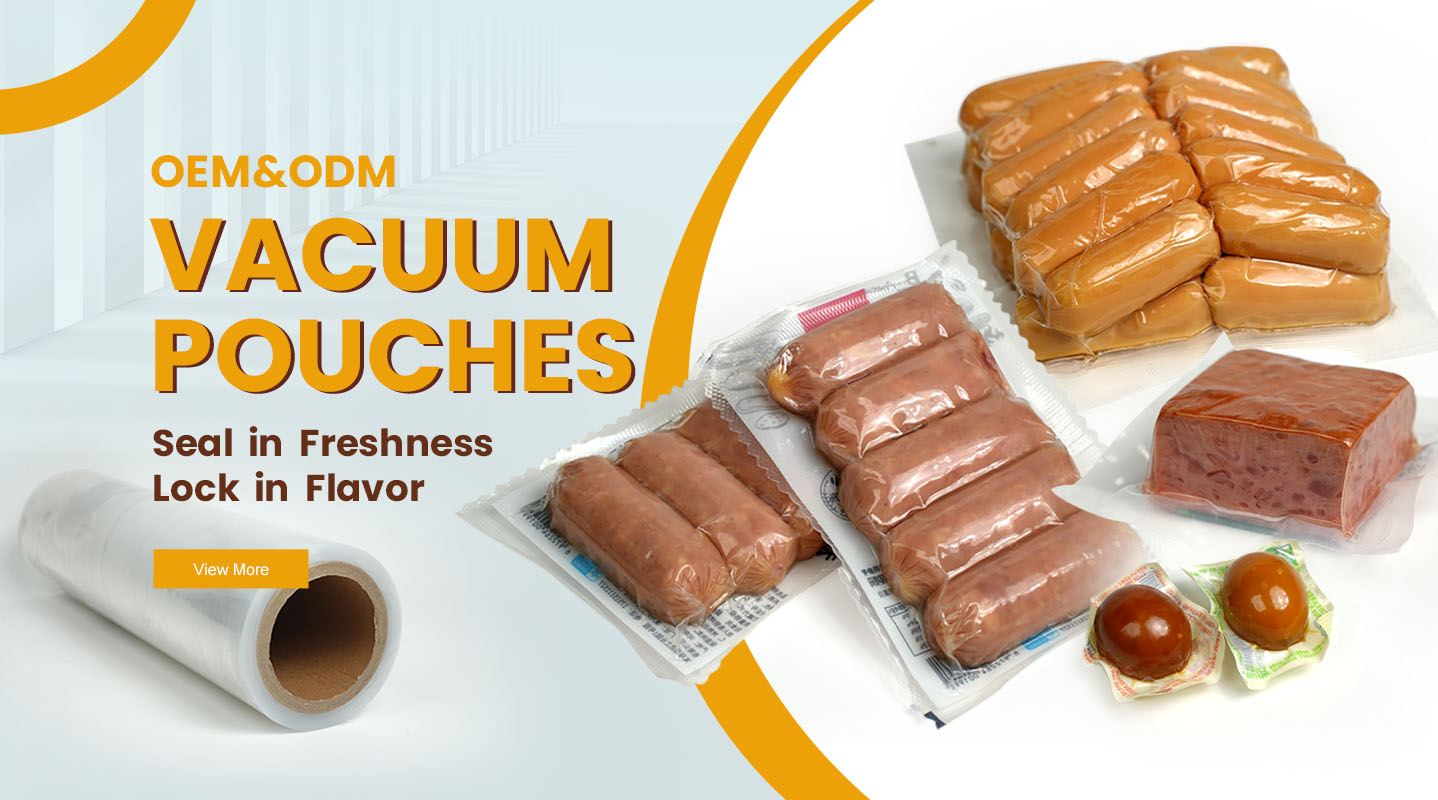
JINBORUN focuses on Food Packaging Films, Vacuum Pouches, thermoForming Films, and barrier packaging solutions for meat, seafood, sausage, frozen food, and related food applications. From a manufacturer’s perspective, consistency is built by controlling every step before the film reaches the customer’s packing line.
Different food products place different pressure on packaging. Seafood often brings moisture and odor challenges. Frozen meat needs low-temperature flexibility and puncture resistance. Sausage packaging may require oxygen protection and clean product presentation. A standard film structure cannot solve every problem.
The first step is to define the material structure according to the product, storage temperature, sealing method, shelf-life target, and machine type. For example, a vacuum packaging film for frozen fish needs stable sealing, barrier protection, and resistance to cracking after cold storage. If the structure is too weak, the pack may lose air during transport. If the structure is overdesigned, the material cost may rise without improving real performance.
Food and Agriculture Organization data shows that 13.2 percent of food is lost in the supply chain after harvest and before retail. This makes packaging consistency important because every failed pack can affect product value before it reaches the market.
Strong quality control should not depend only on checking finished rolls. By the time a defect is found at the end, material, labor, and machine time have already been wasted. A more reliable approach is to manage risk during extrusion, winding, printing, laminating, bag making, and final packing.
During film production, important control points include resin condition, extrusion temperature, layer ratio, film thickness, surface smoothness, roll tension, sealing layer stability, and barrier layer distribution. Small variations in these areas can become bigger problems during automatic packing.
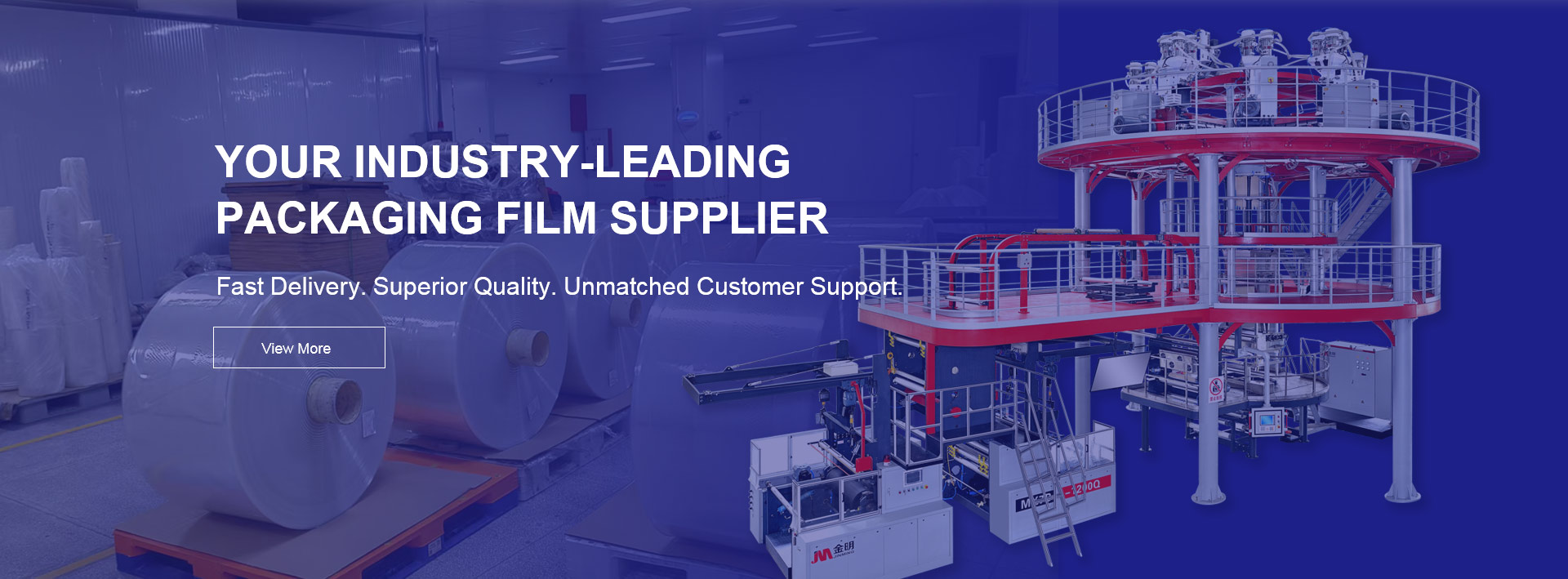
JINBORUN uses controlled production processes to reduce thickness deviation, improve roll flatness, and support stable sealing. This helps customers reduce line adjustment time and avoid repeated packing tests caused by unstable materials.
Consistency requires measurable inspection. Visual checking is useful, but it is not enough for food packaging films. A complete inspection plan should include physical performance, sealing performance, appearance, and application suitability.
| Inspection item | Why it matters | Possible failure if ignored |
|---|---|---|
| Thickness consistency | Supports stable sealing and forming | Wrinkles, weak areas, film breakage |
| Seal strength | Keeps vacuum packs tight | Air return, leakage, loose packs |
| Puncture resistance | Protects sharp or hard food edges | Broken bags during storage |
| Roll flatness | Improves machine running | Feeding errors and downtime |
| Barrier performance | Protects freshness and odor | Shorter shelf life and quality loss |
A practical packaging QC system should record batch data, inspection results, and customer feedback. When a customer needs repeat orders, these records help keep the next batch close to the previous approved material.
Packaging consistency is not only about equipment. It also depends on supplier stability. A factory with unstable sourcing, weak process records, or changing production methods may provide samples that look acceptable but fail to keep the same performance in bulk orders.
A stable packaging supplier should be able to explain material structure, thickness range, sealing conditions, barrier needs, and suitable applications. For long-term orders, repeatability is often more important than one-time sample performance.
JINBORUN’s advantage lies in combining material design with manufacturing control. The company supports food packaging films and vacuum pouches for different food categories, helping customers match packaging with real production and storage conditions.
Laboratory inspection is necessary, but food packaging must also be tested under real conditions. A film may pass basic checks but still perform poorly when used on a fast packing line, stored in a freezer, or packed around wet seafood.
For this reason, customers should test sealing temperature, vacuum level, machine speed, storage temperature, and product shape before confirming bulk production. This is especially important for frozen food, fish, meat, and sausage packaging because these products may create pressure at corners, edges, and seal areas.
The U.S. Department of Agriculture states that freezing keeps food safe by slowing molecular movement and putting microbes into a dormant state, but frozen food quality can still decline during storage. Packaging must therefore protect product quality, not only hold the product inside.
When packaging defects happen, traceability helps identify the cause faster. Without batch records, it is difficult to know whether the problem came from resin, production setting, roll tension, sealing temperature, machine operation, or storage condition.
A strong traceability system should connect raw material batch, production date, machine record, inspection result, roll number, and shipment information. This allows suppliers and customers to review issues quickly and make targeted improvements.
To ensure consistent packaging film quality, JINBORUN pays attention to repeatable production, inspection standards, and application feedback. This is valuable for customers who need stable supply across multiple orders, seasons, and product lines.
Good packaging manufacturing is not simply making rolls of film. It is a system that connects materials, machines, inspection, documentation, and customer usage. When each part is controlled, the final film can seal better, run more smoothly, protect food longer, and reduce unnecessary waste.
JINBORUN helps food processors improve packaging consistency through customized structures, controlled production, batch inspection, and practical application support. Stable packaging reduces hidden costs, protects product value, and creates more reliable performance from packing line to cold storage and delivery.