Food packaging has become more technical because modern products need longer shelf life, safer sealing, better appearance, and stronger protection during storage and transport. A single plastic layer often cannot meet all these requirements at the same time. This is why co extrusion film technology is widely used in meat, seafood, sausage, frozen food, vacuum packaging, and thermoforming packaging.
Co extrusion is a manufacturing method that combines different polymer layers into one film during the extrusion process. Each layer has a different function. Some layers provide sealing strength, some improve puncture resistance, some support flexibility, and some protect food from oxygen or moisture. Instead of adding performance through one thick material, co extrusion builds performance through a controlled layer structure.
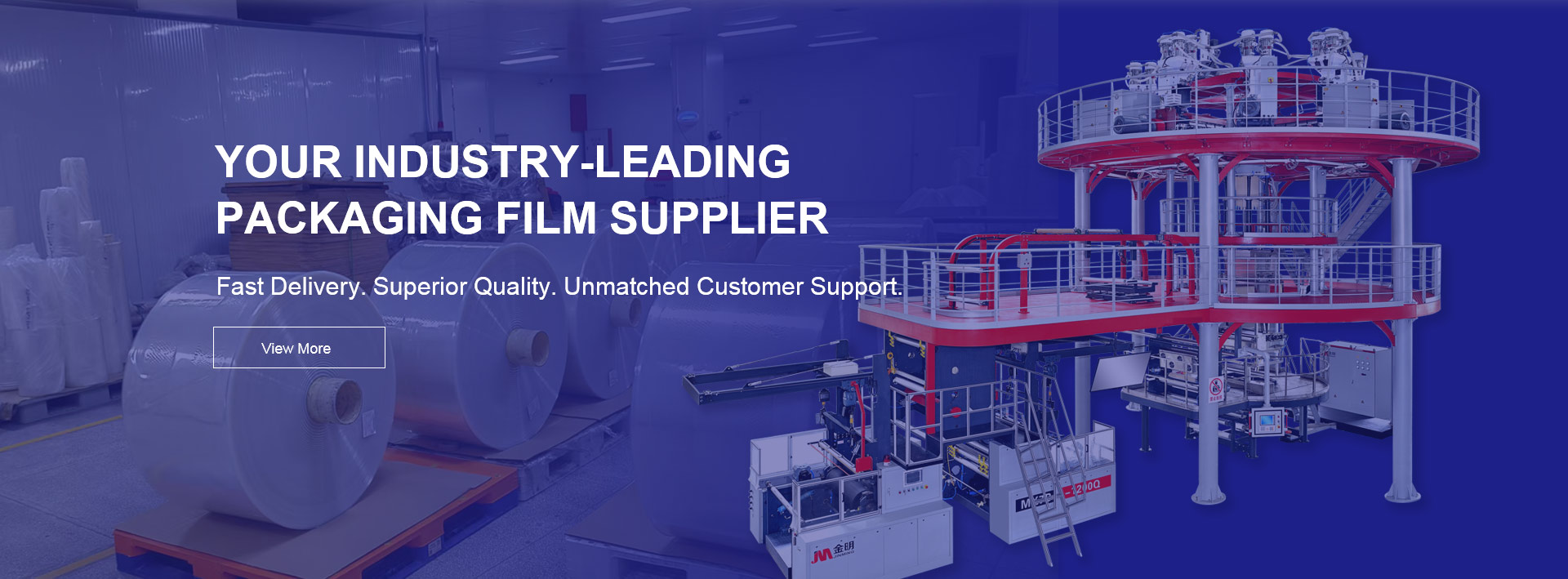
The co extrusion film process starts with different plastic resins being melted separately. These melted materials are then guided through a shared die system and formed into one film structure. The layers bond together during production, creating a film that works as one material while keeping the advantages of each layer.
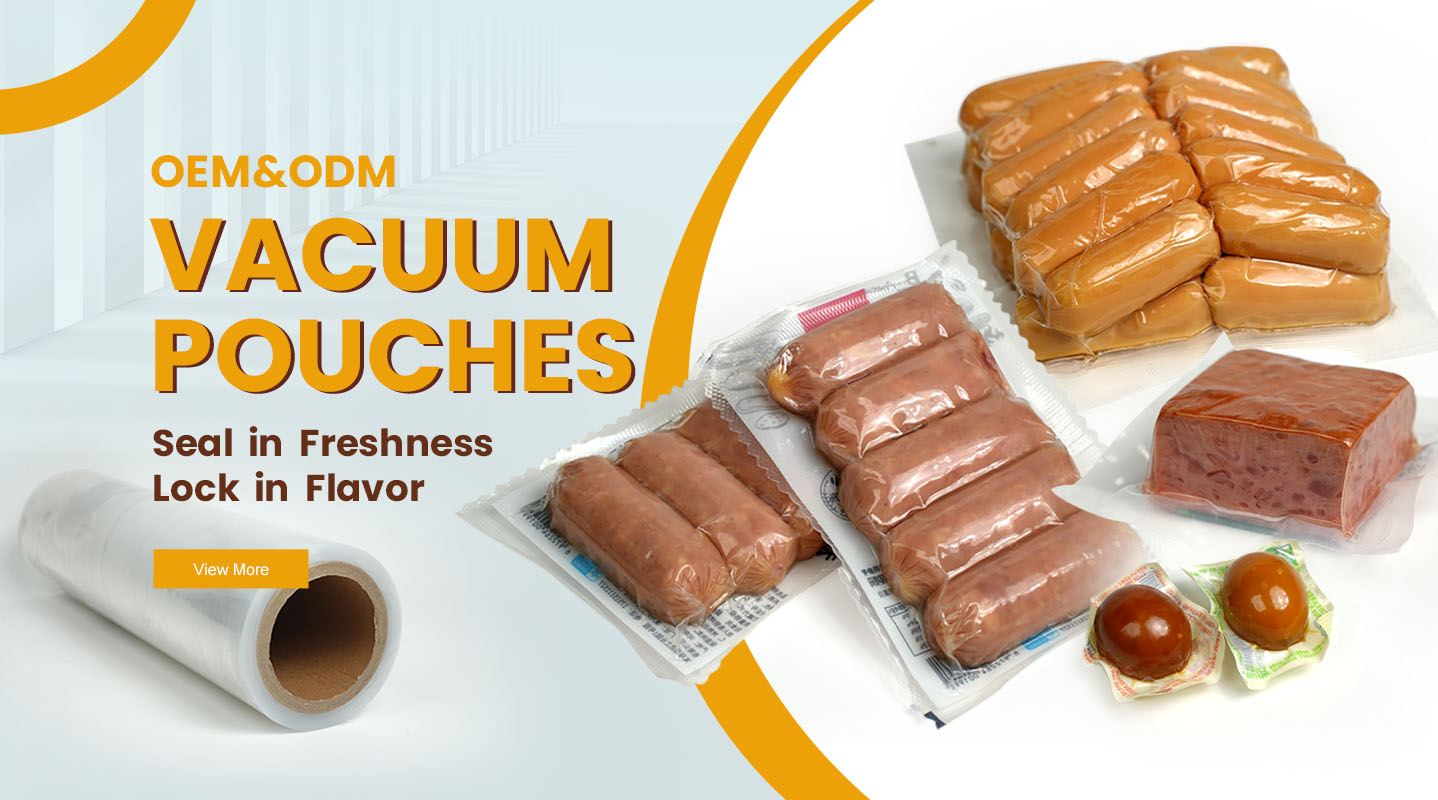
For food packaging, common layer functions include sealing, strength, flexibility, oxygen resistance, moisture resistance, and surface stability. A Vacuum Pouch for seafood may need a soft sealing layer, a puncture-resistant layer, and a barrier layer. A thermoForming Film for meat may need forming stability, transparency, and strong sealing after deep drawing.
This is different from simply laminating two finished films together. Co extrusion allows multiple layers to be formed in one continuous production process, which can improve production efficiency and reduce the need for extra adhesive steps.
A multilayer film is useful because no single material is perfect for every packaging need. PE is often used for sealing and flexibility. PA can improve puncture resistance and mechanical strength. EVOH is often used when oxygen barrier performance is required. By arranging these materials correctly, the film can be designed for specific food categories and packing machines.
Research published in food packaging studies shows that oxygen exposure can affect meat color, lipid oxidation, and flavor stability. The FAO also reports that around 13.2 percent of food is lost in the supply chain after harvest and before retail. These figures show why packaging structure is not a small detail. It directly affects product protection, commercial value, and waste control.
For JINBORUN, co extrusion technology helps create Food Packaging Films and vacuum pouches that match real product conditions, such as cold storage, wet seafood surfaces, frozen meat handling, sausage vacuum packing, and automatic packaging lines.
The main value of co extrusion is balance. It allows a film to combine different properties without making the whole structure unnecessarily thick. This is especially important for food manufacturers that need both performance and cost control.
| Film requirement | Co extrusion solution | Packaging value |
|---|---|---|
| Strong sealing | Inner sealing layer design | Reduces air leakage |
| Oxygen protection | Barrier layer structure | Helps extend freshness |
| Puncture resistance | Strength layer adjustment | Protects sharp food edges |
| Cold storage use | Flexible layer selection | Reduces cracking risk |
| Machine stability | Thickness and tension control | Improves packing efficiency |
The co extrusion packaging film benefits are not limited to shelf life. They also include better sealing consistency, lower packaging failure risk, improved product appearance, and more stable running on packaging machines.
A barrier film is used when food needs protection from oxygen, moisture, aroma loss, or odor transfer. Meat may lose color when exposed to oxygen. Seafood may develop odor changes. Sausage products may need longer display time. Frozen food may need moisture protection to reduce freezer burn.
The U.S. Department of Agriculture states that freezing keeps food safe by slowing the movement of molecules and causing microbes to enter a dormant stage, but product quality can still decline during long storage. This means packaging must support the cold chain by controlling air, moisture, and physical damage.
A well-designed high barrier film can reduce oxygen transmission and help protect freshness. However, barrier performance must be matched with the product. Over-design increases cost, while under-design increases risk. JINBORUN can adjust film structures based on food type, target storage time, sealing method, and transport condition.
Vacuum packaging requires reliable film performance because the package is under stress after air is removed. The film must hold tight around the food while resisting puncture, wrinkles, seal failure, and air return. Products such as fish, meat, sausage, and frozen food may have irregular shapes, moisture, oil, or sharp edges.
Co extrusion is useful in this situation because the film can be built with a soft sealing layer inside and a stronger support layer outside. For seafood packaging, the film may need both moisture tolerance and odor control. For frozen meat, the film may need low-temperature flexibility and puncture resistance.
JINBORUN’s co-extruded packaging solutions are designed for these food applications, helping customers reduce leakage, improve storage performance, and keep packaging appearance stable.
Thermoforming packaging needs more than barrier performance. The film must stretch into trays or cavities without breaking, thinning too much, or losing clarity. If the forming layer is unstable, factories may face wrinkles, poor forming depth, edge cracking, or machine stoppage.
Co extrusion gives manufacturers more control over forming behavior. The structure can be adjusted for different forming depths, machine speeds, sealing temperatures, and food weights. This makes it suitable for meat slices, seafood portions, sausage, cheese, prepared food, and frozen products.
The Flexible Packaging Association notes that flexible packaging often uses fewer resources than rigid packaging and provides a high product-to-package ratio. This supports the value of advanced flexible packaging technology, especially when the film is designed to protect food while controlling material use.
JINBORUN focuses on food packaging films, vacuum pouches, thermoforming films, and barrier packaging solutions. Co extrusion technology allows the factory to design films around actual usage conditions instead of supplying a single standard structure for every product.
From material selection to production control, JINBORUN pays attention to sealing strength, thickness consistency, film clarity, puncture resistance, and barrier performance. This helps food manufacturers improve packaging reliability across filling, sealing, cold storage, transport, and display.
Co extrusion film technology is valuable because it turns packaging film into a functional protection system. With the right layer design, food packaging can become safer, stronger, more efficient, and more suitable for modern supply chains. JINBORUN applies this technology to help food products stay protected from production to delivery.