Rising labor costs, tighter delivery schedules, and higher quality expectations are pushing manufacturers to rethink how packaging lines operate. Improving packaging efficiency is no longer limited to faster machines. It requires coordination between materials, equipment, and process design to achieve stable output and reduce waste across the entire production cycle.
Efficient production begins with the right match between packaging materials and machinery. Many delays and defects occur not because of machine limitations, but because the selected film does not run smoothly under high-speed conditions.
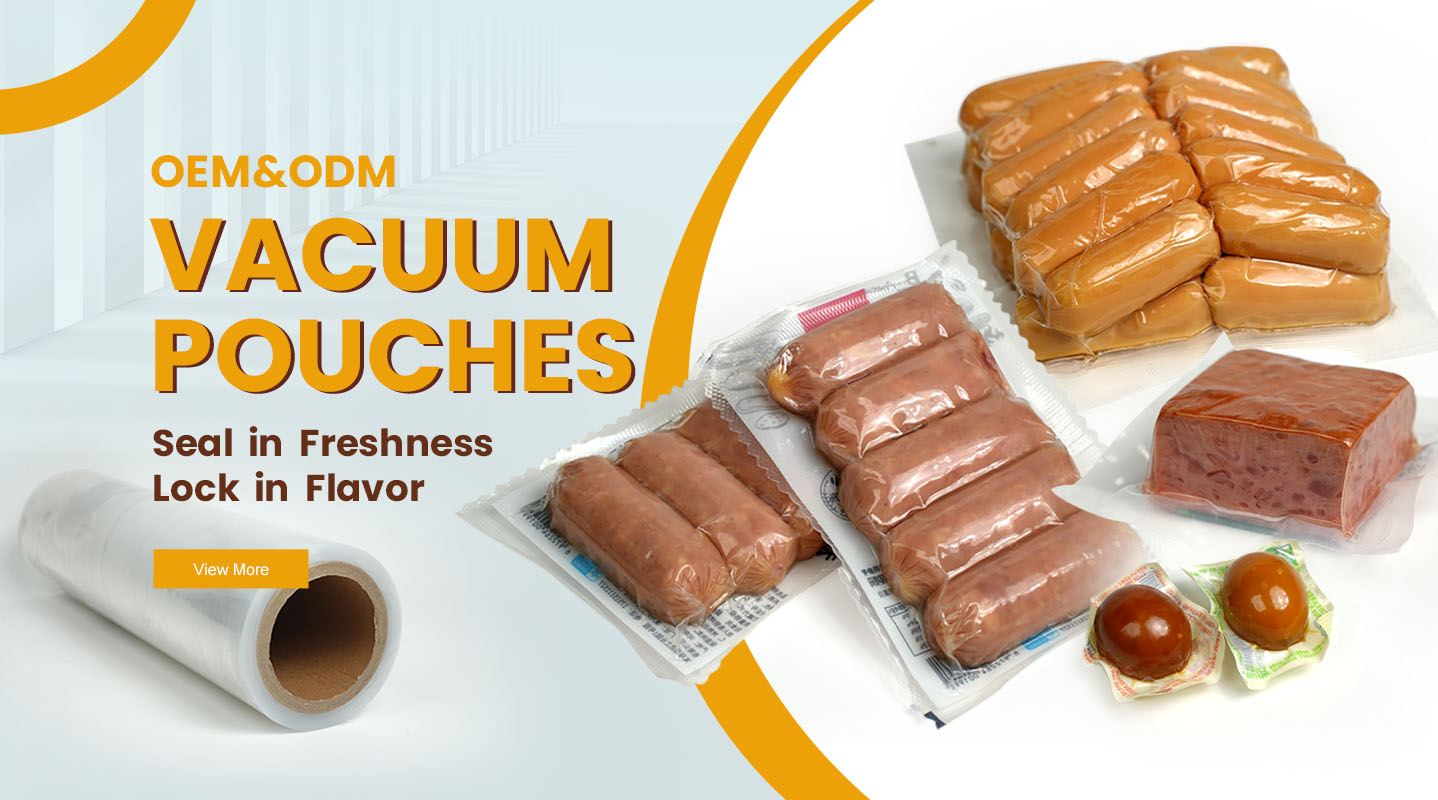
For example, a stable vacuum packaging film must maintain consistent thickness, sealing behavior, and tensile strength during operation. Variations in film quality can lead to misfeeds, poor sealing, or unexpected downtime. According to PMMI industry data, unplanned downtime can reduce overall equipment effectiveness by up to 20 percent in packaging operations, making material consistency a key factor in productivity.
Modern packaging lines rely heavily on automation, which requires films that can perform reliably at high speeds. Films designed for manual or semi-automatic processes often fail to meet the demands of automated equipment.
Selecting the right film for automated packaging machines ensures smooth unwinding, accurate forming, and consistent sealing. Key characteristics include:
Uniform thickness across the roll
Stable friction coefficient for feeding systems
Reliable heat seal performance under varying temperatures
Resistance to stretching or deformation during operation
These factors directly influence cycle time and defect rates on the production line.
Material behavior during forming and sealing has a direct impact on output. A high-quality thermoForming Film must respond well to heat and pressure, allowing precise shaping without tearing or thinning.
In automated thermoforming systems, inconsistent forming can lead to product misalignment, sealing failure, and increased rejection rates. By improving film structure and processing parameters, manufacturers can achieve more stable cavity formation and reduce waste.
Industry studies indicate that optimizing forming performance can improve line throughput by 10 to 15 percent, especially in high-volume food packaging environments.
One of the most effective ways to improve packaging line efficiency is to reduce interruptions. Frequent stops caused by sealing defects, film breaks, or feeding errors can significantly lower daily output.
To address this, manufacturers should focus on:
Using films with consistent roll quality
Maintaining proper machine calibration
Monitoring temperature and pressure settings
Implementing preventive maintenance schedules
Stable processes allow packaging lines to operate continuously, maximizing productivity and reducing labor intervention.
The shift toward packaging automation is transforming production environments. Automated systems not only increase speed, but also improve accuracy and repeatability.
Key advantages include:
Reduced reliance on manual labor
Higher consistency in sealing and cutting
Better control over packaging parameters
Improved traceability and quality monitoring
When combined with compatible film materials, automation enables manufacturers to scale production without compromising quality.
Higher speed alone does not guarantee efficiency. Packaging must still protect the product throughout its lifecycle. This means materials should maintain barrier performance, seal strength, and durability even at increased processing speeds.
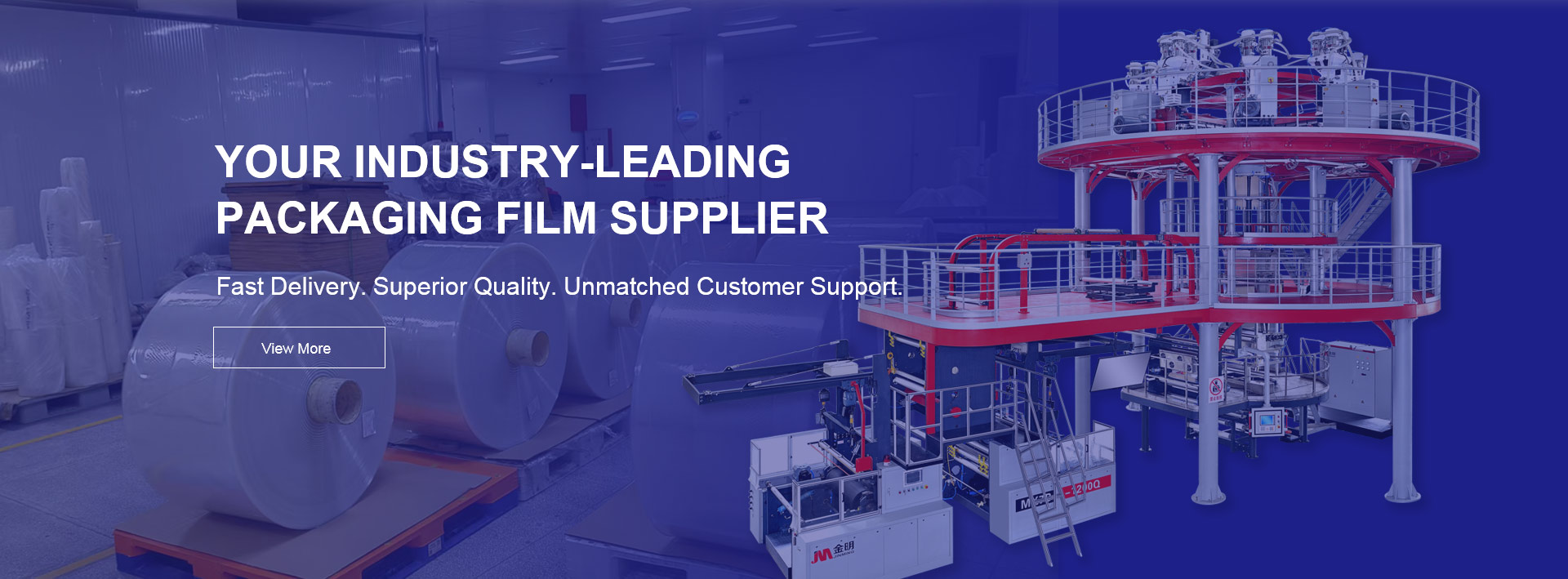
JINBORUN develops multilayer films designed to balance mechanical strength with processing efficiency. Through co-extrusion technology, the company ensures uniform structure and stable performance, allowing films to run smoothly on automated lines while maintaining product protection.
| Factor | Low Efficiency Setup | Optimized Setup |
|---|---|---|
| Machine compatibility | Frequent adjustments | Stable operation |
| Film consistency | Variable quality | Uniform performance |
| Downtime frequency | High | Reduced |
| Output speed | Limited | Increased |
| Waste rate | Elevated | Controlled |
This comparison highlights how coordinated improvements in materials and processes can significantly enhance production outcomes.
Improving packaging efficiency requires a system-level approach that combines equipment optimization, material selection, and automation integration. By using films designed for high-speed processing and maintaining stable production conditions, manufacturers can achieve higher output, lower waste, and more consistent quality. As automation continues to advance, the alignment between packaging materials and machine performance will remain a critical factor in competitive manufacturing.