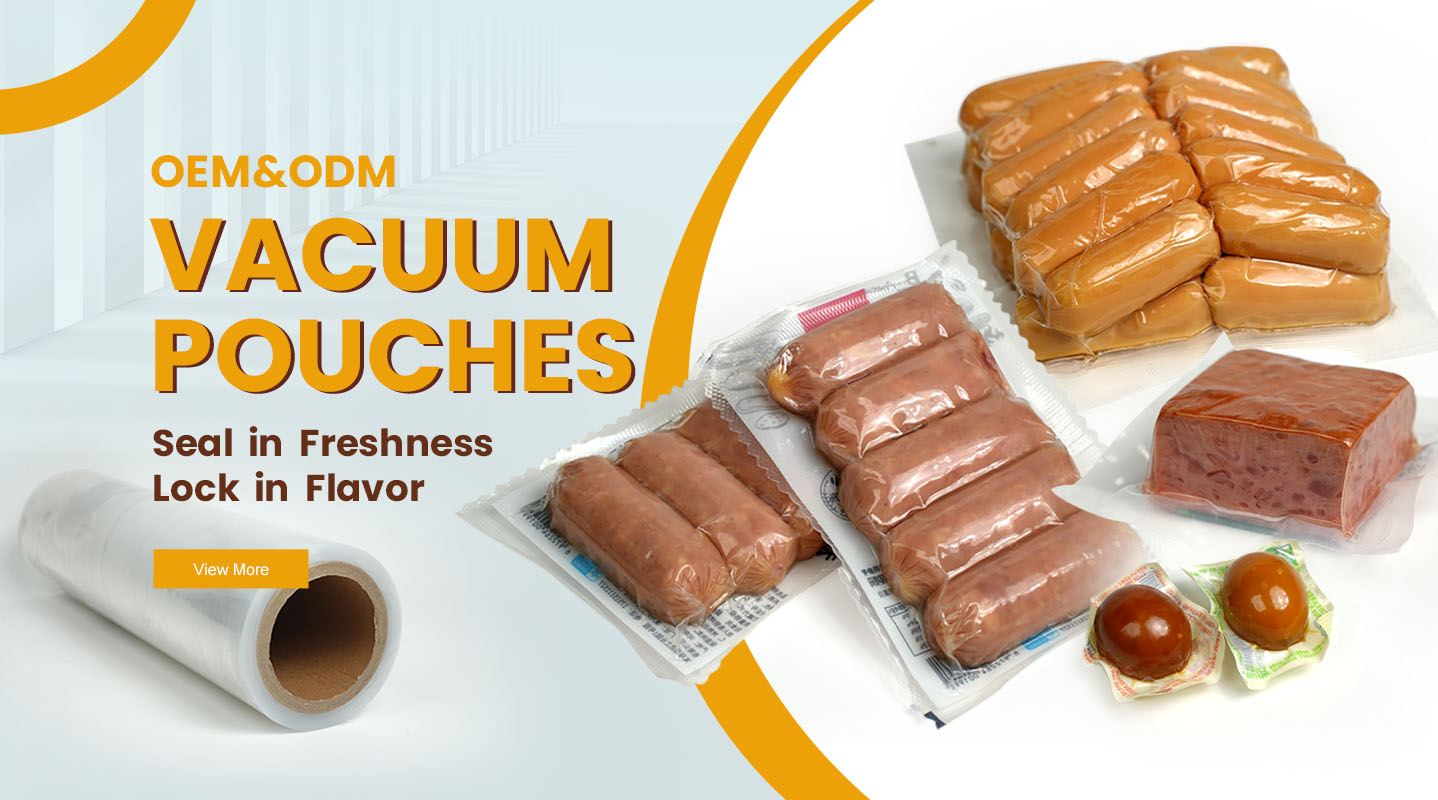
Food quality is constantly challenged by exposure to air, humidity, temperature fluctuation, and microbial activity during storage and transport. In modern supply chains, maintaining freshness is no longer dependent on refrigeration alone. Advanced packaging materials now play a decisive role, and among them, barrier structures are essential for preserving both safety and sensory attributes.
A barrier film is engineered to control the movement of gases and water vapor between the product and its surrounding environment. Instead of allowing free exchange, the film creates a controlled micro-environment inside the package. This helps slow down chemical reactions, reduce microbial growth, and maintain the original characteristics of the food.
Studies from the Institute of Food Technologists show that limiting oxygen exposure can reduce oxidation rates in food by more than 50 percent under controlled storage conditions. That level of control directly impacts shelf life, appearance, and taste stability.
One of the most critical aspects of how barrier film works in food packaging is its ability to block oxygen. Oxygen is responsible for multiple degradation processes, including fat oxidation, discoloration, and nutrient loss.
An effective oxygen barrier prevents air from entering the package, which is especially important for products such as meat, dairy, and ready meals. Reduced oxygen levels slow microbial activity and help maintain product color, particularly in protein-based foods.
The oxygen barrier film benefits extend beyond preservation. They also improve consistency during transportation, ensuring that products reach the end user with minimal variation in quality.
Water vapor transmission is another major factor in food deterioration. Too much moisture can lead to microbial growth and texture breakdown, while moisture loss can cause dehydration and weight reduction.
A well-designed moisture barrier controls this exchange by limiting the movement of water vapor. This is essential for products such as frozen food, dry snacks, and processed meat, where texture and weight stability are directly linked to commercial value.
According to FAO food preservation data, moisture control in packaging significantly reduces spoilage risks and extends shelf life across multiple food categories.
A high barrier film is rarely made from a single material. Instead, it is built using multiple layers, each contributing a specific function. Outer layers provide strength and durability, inner layers allow sealing, and core layers deliver gas barrier performance.
This multilayer structure ensures that the film can handle mechanical stress while maintaining its protective function. Materials such as EVOH or nylon are often used within the structure to enhance oxygen resistance, while polyethylene contributes flexibility and sealing performance.
Barrier performance is closely linked to external conditions. Temperature, humidity, and handling all influence how effectively a film performs. For example, high humidity environments can reduce the efficiency of certain barrier layers, while freezing conditions require films with strong resistance to brittleness.
By selecting the right structure, manufacturers can match film performance to the specific storage and distribution requirements of the product. This alignment is critical for maintaining consistent quality across different markets and climates.
| Protection Factor | Without Barrier Film | With Barrier Film |
|---|---|---|
| Oxygen exposure | High | Significantly reduced |
| Moisture fluctuation | Uncontrolled | Regulated |
| Shelf life | Short | Extended |
| Product consistency | Variable | Stable |
| Risk of spoilage | Elevated | Lower |
This comparison illustrates how barrier technology transforms packaging from a passive container into an active preservation system.
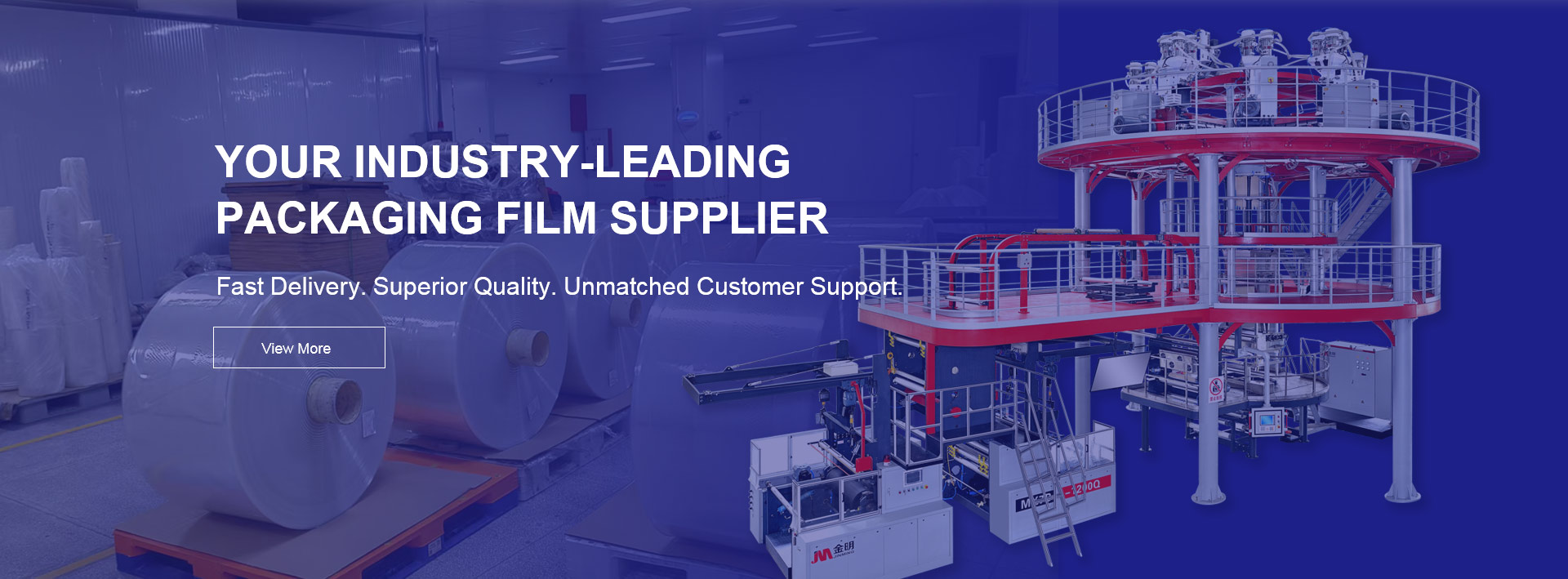
From a production standpoint, consistency in film quality is essential. JINBORUN applies co-extrusion technology to produce multilayer films with stable barrier performance and uniform thickness distribution. This ensures that each batch maintains reliable protection across different applications, including fresh food, frozen products, and vacuum packaging.
The company’s approach focuses on aligning material structure with real-world usage conditions, allowing the film to perform consistently during processing, storage, and transportation.
Barrier films protect food quality by controlling oxygen and moisture exchange, stabilizing internal conditions, and reducing exposure to external risks. Their effectiveness comes from a combination of material science and structural design, making them a fundamental component in modern food packaging systems. As distribution networks become more complex and shelf-life expectations increase, the role of high-performance barrier films continues to expand across the global food industry.