Modern food packaging demands far more than simple containment. Products must remain fresh across extended distribution cycles, withstand temperature variation, and maintain consistent quality during storage. Within this context, EVOH film has become a critical material used to enhance barrier performance in advanced packaging structures.
EVOH stands for ethylene vinyl alcohol copolymer, a high-performance polymer widely used in flexible and rigid packaging. Its primary value lies in its ability to block gases, especially oxygen, at a level significantly higher than many conventional plastics. According to data from the Japan Petrochemical Industry Association, EVOH can achieve oxygen transmission rates close to zero under dry conditions, making it one of the most effective materials available for oxygen-sensitive products.
This performance makes EVOH particularly important in industries where product degradation is directly linked to oxygen exposure, including fresh food, processed meat, and ready-to-eat meals.
Oxygen is one of the main causes of food spoilage. It accelerates oxidation, affects color stability, and promotes the growth of aerobic microorganisms. The use of a high-performance barrier layer helps slow these processes, extending shelf life and maintaining product integrity.
Research published in the Journal of Food Engineering indicates that reducing oxygen levels in packaged food can significantly delay lipid oxidation and microbial growth, especially in protein-rich products such as meat. This explains why barrier-focused materials like EVOH are widely integrated into modern packaging systems.
EVOH is rarely used as a standalone material. Instead, it is typically embedded within a multilayer film structure. This layered approach allows different materials to contribute specific properties:
Outer layers provide mechanical strength and printability
Inner layers ensure sealability and moisture resistance
EVOH functions as the core oxygen barrier
Because EVOH is sensitive to humidity, combining it with moisture-resistant polymers such as polyethylene or polypropylene helps maintain its performance in real-world conditions. This structural design reflects the evolution of packaging technology, where material combinations are optimized for both performance and processing efficiency.
The effectiveness of EVOH comes from its unique molecular structure, which creates a dense polymer network that limits gas permeability. Its most important EVOH barrier properties include:
Extremely low oxygen transmission rate
High resistance to aroma loss and flavor transfer
Strong performance in protecting sensitive contents
Compatibility with co-extrusion and lamination processes
Industry testing shows that EVOH can reduce oxygen permeability by more than 10 times compared to standard polyethylene films under controlled conditions. This level of protection is essential for maintaining product quality during long-distance transport and extended storage.
One of the most common uses of EVOH is in EVOH film for food packaging, particularly for products that require extended shelf life and strict quality control. These include:
Fresh and processed meat
Dairy products and cheese
Ready meals and frozen foods
Sauces and liquid foods
In meat packaging, EVOH helps preserve color, reduce spoilage, and maintain texture. In dairy applications, it prevents flavor degradation and protects against external contamination. These benefits align with increasing global demand for longer shelf life and reduced food waste.
Below is a simplified comparison of EVOH with other common packaging materials:
| Material Type | Oxygen Barrier Performance | Moisture Resistance | Typical Use |
|---|---|---|---|
| Polyethylene | Low | High | Basic packaging |
| Nylon | Medium | Medium | Vacuum bags |
| EVOH | Very high | Moderate | High-barrier packaging |
| PET | Medium | Low | Bottles and trays |
This comparison highlights why EVOH is often selected when oxygen sensitivity is a key concern.
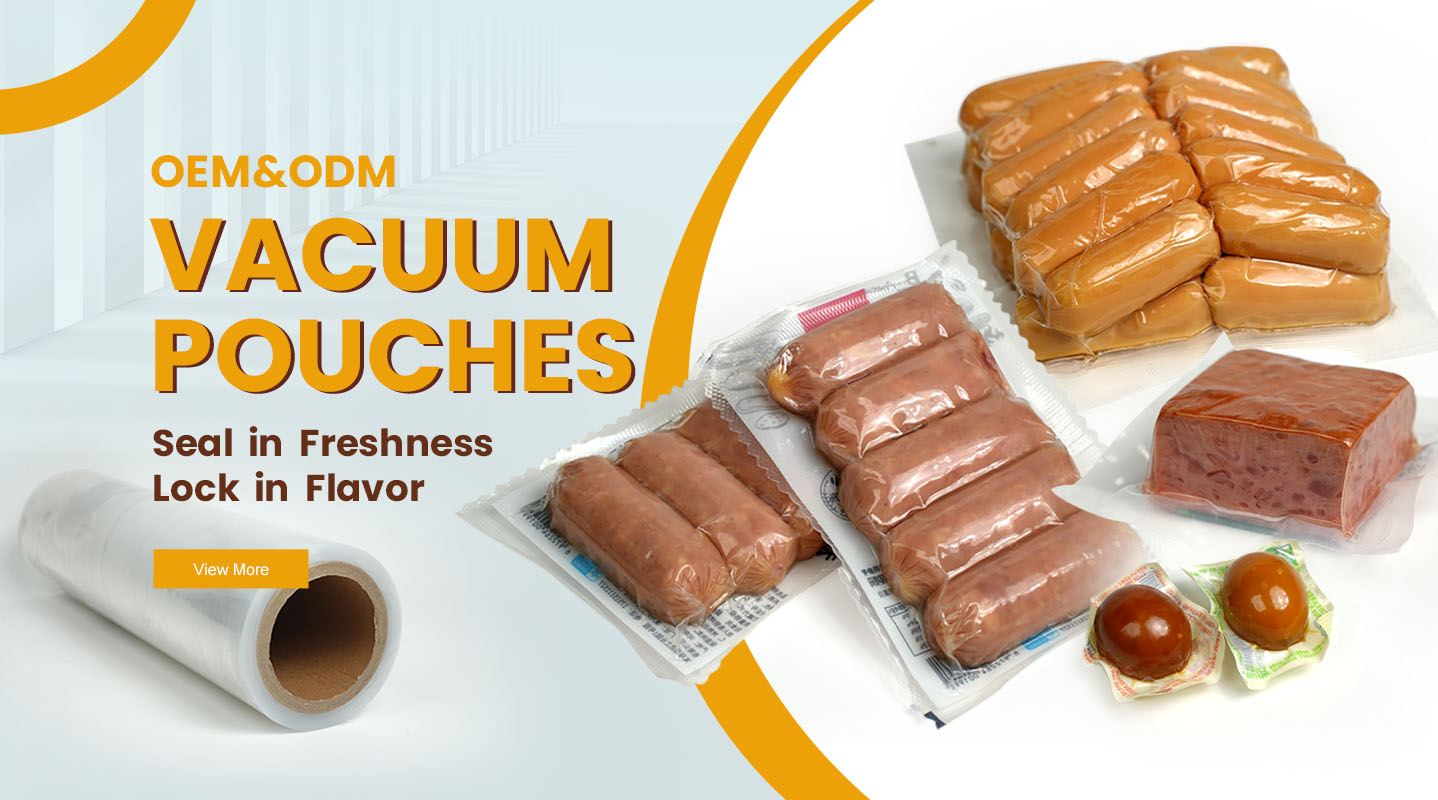
From a manufacturing perspective, EVOH integrates well into co-extrusion processes, allowing producers to create customized film structures based on application needs. This flexibility supports a wide range of packaging formats, including thermoForming Films, Vacuum Pouches, and laminated rolls.
JINBORUN focuses on multilayer co-extrusion technology, enabling consistent production of high-barrier films tailored to different food applications. With controlled layer distribution and stable processing conditions, the company ensures that EVOH performs effectively within each structure, supporting both product protection and production efficiency.
EVOH plays a central role in modern packaging by providing exceptional oxygen barrier performance within multilayer film systems. Its ability to protect food from oxidation, preserve freshness, and support extended shelf life makes it one of the most valuable materials in advanced packaging design. When combined with the right structural layers and manufacturing expertise, EVOH-based films offer a reliable solution for maintaining product quality across increasingly complex supply chains.