Processed foods move through complex steps such as cooking, cooling, filling, sealing, and distribution. Each stage places specific demands on the packaging material. The right processed Food Packaging Film must handle temperature variation, maintain seal integrity, and protect flavor and texture throughout storage.
Many processed products are filled while hot or require reheating after packaging. This makes thermal stability a key requirement. Films used in these applications must tolerate elevated temperatures without deformation, shrinkage, or loss of structure.
In industrial applications, packaging materials are often exposed to temperatures ranging from 80°C to over 120°C during filling or sterilization. A suitable Food packaging film must maintain dimensional stability and mechanical strength under these conditions to prevent leakage or product contamination.
Seal integrity is critical for processed food. Once the package is closed, it must remain airtight through transportation and storage. Weak seals can lead to microbial contamination, oxidation, or product spoilage.
A high-quality film for processed food packaging should provide:
Stable heat seal strength across different machine settings
Consistent sealing under high-speed production
Resistance to contamination at the sealing area
Strong adhesion between layers
According to industry testing standards, seal failure is one of the leading causes of packaging defects in processed food lines, making sealing performance a top priority in material selection.
Processed foods often contain fats, proteins, and moisture, all of which are sensitive to environmental exposure. A reliable barrier film helps control oxygen and moisture transfer, reducing oxidation and preserving product quality.
Oxygen exposure can lead to flavor degradation and discoloration, while moisture imbalance may affect texture. By incorporating effective barrier layers, packaging films help extend shelf life and maintain product consistency.
This is particularly important for ready meals, sauces, and cooked meat products, where stability during distribution is essential.
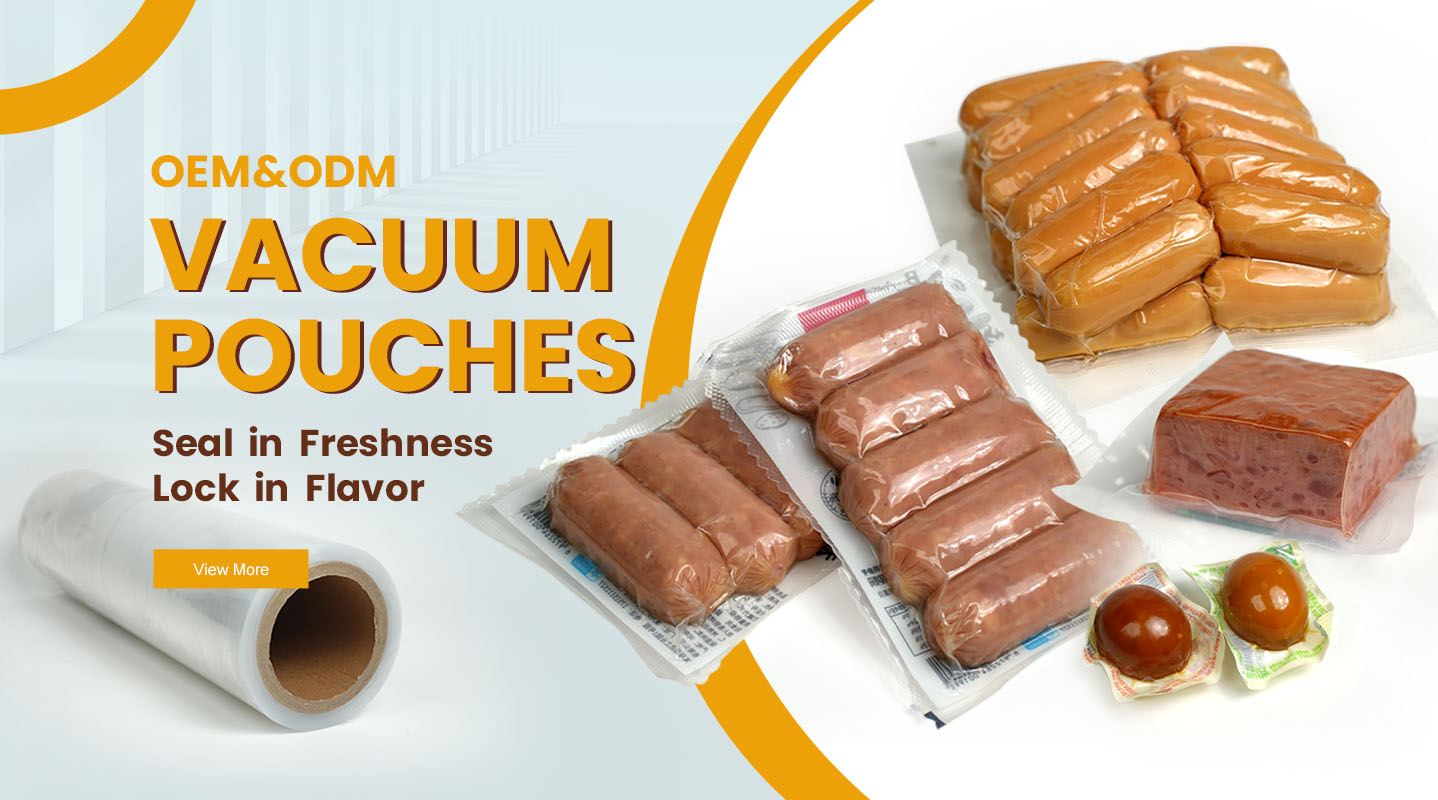
Processed food comes in many forms, including trays, pouches, vacuum packs, and thermoformed containers. This variety requires materials that can adapt to different shapes and processing methods.
Flexible packaging plays a major role in meeting these needs. It allows manufacturers to create lightweight, space-efficient packaging while maintaining strong protective performance. Flexible films also support high-speed automation and reduce material consumption compared to rigid alternatives.
For convenience foods, selecting the right packaging film for ready meals is especially important. These products often require compatibility with microwave heating, refrigeration, and extended shelf life.
Key performance requirements include:
Heat resistance for reheating
Strong sealing to prevent leakage
Barrier protection for freshness
Mechanical strength for handling and transport
Meeting all these conditions ensures that the product remains safe and appealing from production to consumption.
Modern packaging films are typically built using multilayer structures. Each layer contributes a specific function, such as sealing, strength, or barrier protection. This design allows manufacturers to balance performance requirements without compromising processing efficiency.
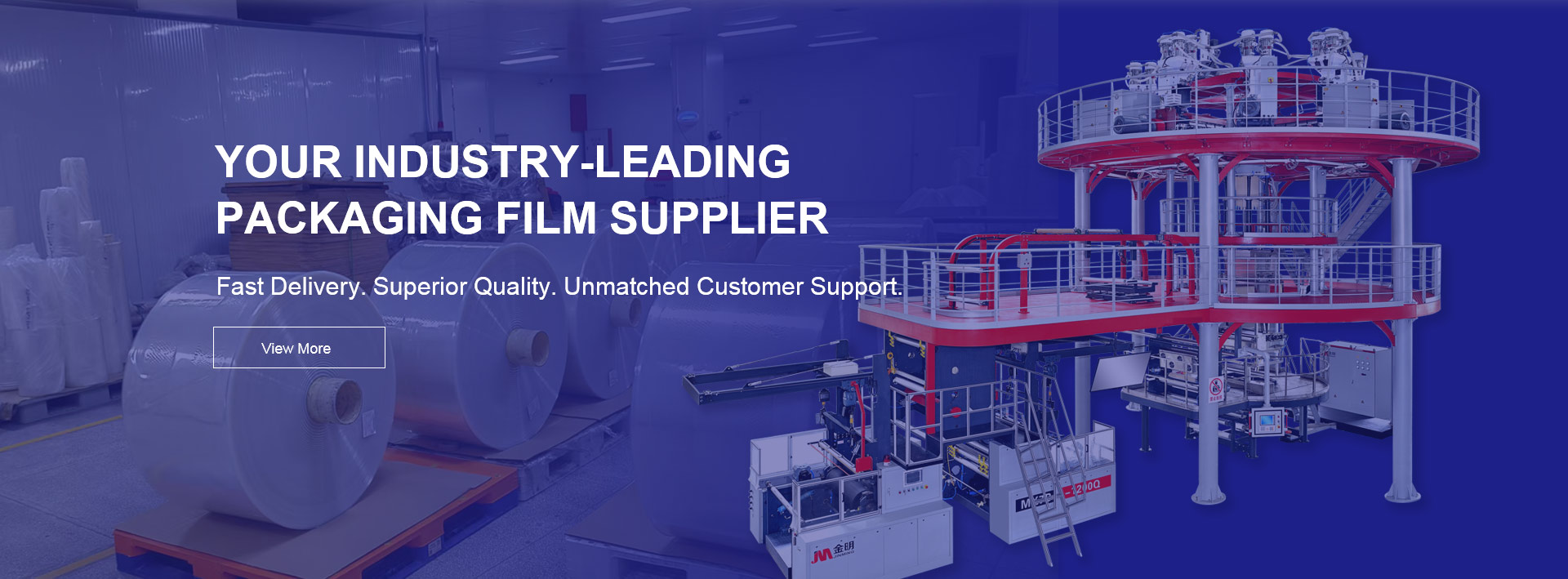
JINBORUN focuses on co-extrusion technology to produce multilayer films with stable structure and consistent quality. This approach supports a wide range of food packaging solutions, ensuring that films perform reliably across different processed food applications.
| Requirement | Importance in Processed Food | Film Capability |
|---|---|---|
| Heat resistance | Prevents deformation during filling | High thermal stability |
| Seal strength | Ensures product safety | Reliable sealing performance |
| Barrier protection | Extends shelf life | Oxygen and moisture control |
| Flexibility | Adapts to different formats | Suitable for various packaging types |
| Mechanical durability | Protects during transport | Strong multilayer structure |
Selecting the right packaging film for processed food requires balancing heat resistance, sealing performance, and barrier protection. Materials must perform consistently under production conditions while maintaining product quality throughout the supply chain. With the right film structure and manufacturing control, packaging becomes an active part of food preservation rather than just a container.