Fresh seafood is one of the most sensitive food categories in global supply chains. High moisture content, rapid microbial growth, and strong odor release make packaging selection a critical factor in maintaining product quality during transportation and storage. Choosing the right seaFood Packaging Film directly affects shelf life, product safety, and customer satisfaction.
From a manufacturing perspective, the key lies in understanding how film structure, barrier performance, and sealing reliability work together to control moisture and odor.
Seafood products typically contain over 70% water and are highly prone to oxidation and bacterial growth. Studies in food packaging science show that oxygen and water vapor are the primary factors that accelerate spoilage and degrade flavor quality.
At the same time, odor compounds generated from protein breakdown can easily migrate through low-quality films, leading to contamination risks during logistics.
This is why packaging film for seafood storage must go beyond standard food packaging materials and focus on:
Moisture control to prevent dehydration or drip loss
Oxygen barrier to slow oxidation and microbial activity
Odor containment to maintain product integrity
Mechanical strength for cold-chain handling
When selecting a barrier film, professional buyers should evaluate measurable parameters rather than relying on general material descriptions.
| Property | Why It Matters | Typical Requirement for Seafood |
|---|---|---|
| OTR | Controls oxygen ingress and oxidation | Low OTR for fresh fish preservation |
| WVTR | Regulates moisture transfer | Balanced WVTR to avoid condensation |
| Odor Barrier | Prevents smell migration | High aroma barrier layers |
| Seal Strength | Ensures airtight packaging | Stable under low temperature |
Barrier performance is essential because packaging films must block oxygen, moisture, and aroma compounds simultaneously to extend shelf life.
Seafood packaging operates in a high-humidity environment. Improper moisture control leads to:
Surface dehydration in frozen seafood
Excess liquid accumulation in chilled packaging
Texture degradation and weight loss
Modern multilayer films solve this by combining polyolefin layers for moisture resistance with structural layers for durability. Research shows that multilayer systems are widely used because they can precisely control water vapor transmission and maintain product stability.
For bulk exporters and OEM buyers, selecting films with stable WVTR performance ensures consistency across different shipping climates.
Seafood odor is one of the biggest challenges in packaging design. Odor molecules are small and volatile, meaning they can easily permeate through low-barrier films.
High-performance films address this through:
Dense polymer structures that limit molecular diffusion
EVOH or similar high-barrier layers for gas and aroma control
Optional active packaging systems that absorb oxygen and reduce spoilage
Barrier packaging and vacuum packaging for fish are widely used to reduce oxidation and odor formation by minimizing oxygen exposure.
In large-scale distribution, effective odor control reduces cross-contamination risks and improves acceptance in retail environments.
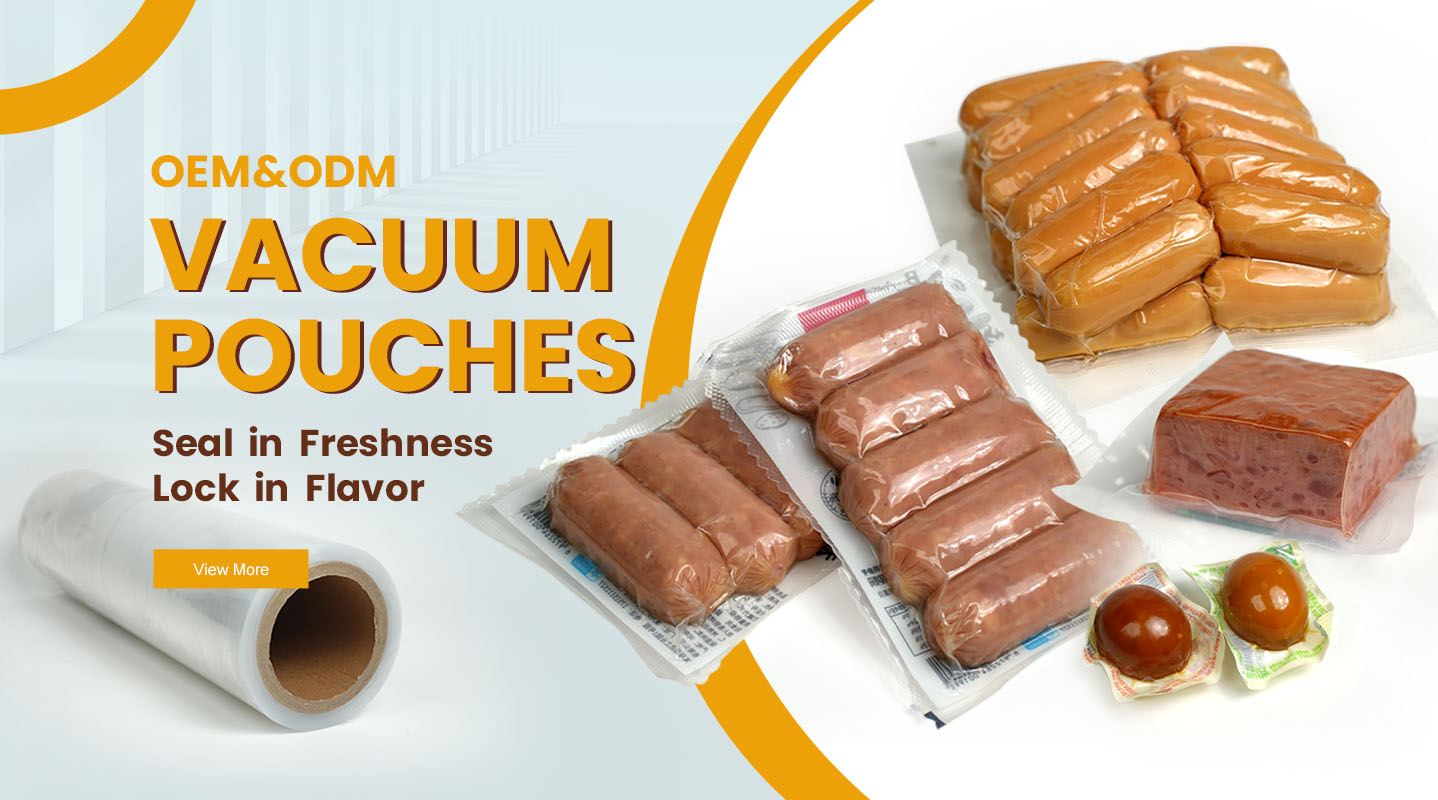
Vacuum packaging remains one of the most effective methods for seafood preservation. By removing air inside the package, it significantly slows microbial growth and lipid oxidation.
Advanced Seafood Vacuum Packaging Film is designed to work with:
Vacuum sealing machines
Gas flushing systems
Cold-chain logistics
Modified atmosphere packaging further enhances performance by replacing oxygen with carbon dioxide and nitrogen, which helps extend shelf life and reduce spoilage rates.
For industrial buyers, combining vacuum packaging, barrier film with controlled atmosphere systems can extend shelf life by several days to weeks depending on storage temperature.
Different seafood applications require different film structures. Manufacturers typically offer:
PA/PE multilayer films for vacuum packaging
EVOH-based films for high oxygen barrier
PET/PE laminates for strength and clarity
Biodegradable films for sustainable packaging trends
Biodegradable films are gaining attention due to environmental demand while still providing moisture retention and oxygen barrier properties suitable for seafood packaging.
Beyond technical specifications, consistency is a major concern for large-volume buyers.
Unstable film quality can lead to:
Seal failure during transport
Uneven thickness affecting barrier performance
Batch variation impacting shelf life
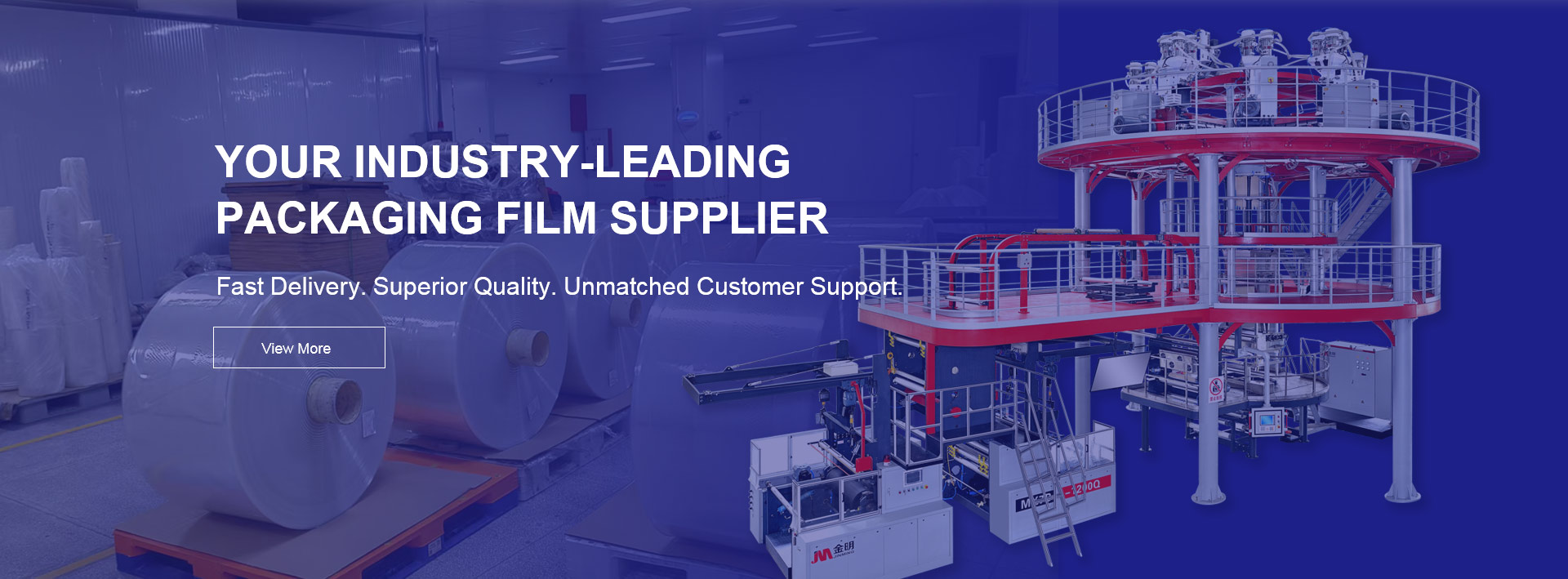
JINBORUN focuses on controlled production processes to ensure:
Uniform film thickness across bulk orders
Stable barrier performance for long-distance export
Customizable specifications for OEM and ODM requirements
Scalable production capacity for continuous supply programs
For buyers managing cold-chain logistics or retail distribution, consistent quality reduces operational risks and product returns.
When evaluating food packaging solutions for seafood, decision-making should follow a structured approach:
Identify product type
Fresh fish, frozen seafood, or processed seafood each requires different barrier levels
Define storage conditions
Temperature, humidity, and transportation duration determine film specifications
Match packaging method
Vacuum packaging for fish or modified atmosphere systems
Evaluate barrier performance
Focus on OTR, WVTR, and odor control rather than material name alone
Confirm supplier capability
Ensure stable production, customization, and bulk delivery support
Selecting the right seafood packaging film is a technical decision that directly impacts product freshness, shelf life, and logistics efficiency. Moisture resistance and odor control remain the two most critical factors, supported by strong oxygen barrier performance and reliable sealing.
With advanced multilayer structures and optimized Seafood vacuum packaging film, manufacturers can provide tailored solutions that m