Reliable sealing strength is one of the most decisive factors in modern food packaging because the seal is the last barrier between the product and the outside environment. When the seal is weak, even a high-barrier film can lose value through air ingress, liquid leakage, contamination risk, and unstable shelf performance. For food processors, distributors, and importers, seal failure is not only a packaging defect. It is a supply chain risk that can affect product safety, appearance, transport stability, and customer confidence. According to the World Health Organization, unsafe food causes 600 million cases of foodborne disease and 420,000 deaths each year, which is why every protective step in the packaging system matters.
A strong seal helps keep oxygen, moisture, microorganisms, and external contaminants out of the pack. This becomes especially critical for meat, seafood, frozen food, prepared meals, and other sensitive categories that depend on controlled internal conditions. The U.S. FDA states that food packaging and its components are food contact substances, which means materials used in food packaging must meet regulatory safety expectations for their intended use. In practical terms, this means the film structure alone is not enough. The final sealed edge must also remain stable through filling, storage, transport, and retail handling.
Seal problems often start small. A corner leak, incomplete fusion line, contamination in the seal area, or unstable sealing temperature may not be obvious during packing, but those issues can become visible after transportation or cold-chain handling. According to the FAO, 13.2 percent of food is lost in the supply chain after harvest and before retail stages. Packaging is not the only cause, but packaging failure clearly increases that risk. When a packaging seal does not hold, products may lose vacuum, absorb moisture, discolor, or spoil faster, creating hidden cost through returns, rework, customer claims, and damaged brand trust.
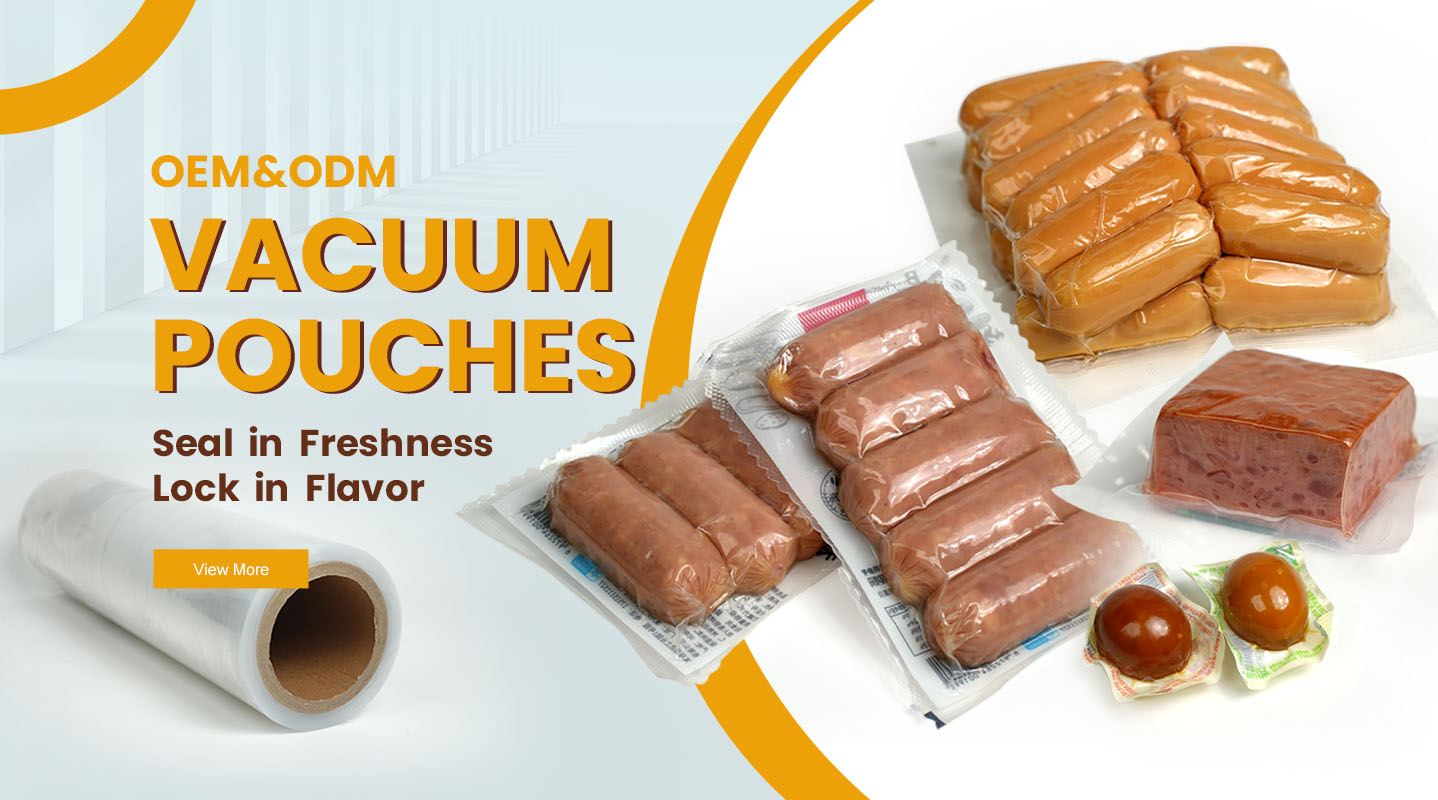
This issue becomes more important in vacuum packaging, where the package depends on a low-oxygen environment to protect freshness and reduce oxidation. The USDA explains vacuum packaging as a method that removes substantially all air before sealing. Once the seal is compromised, the package can no longer maintain the condition it was built for. That means the sealing line is not just a closure. It is the functional point that protects shelf life, appearance, and transport security. For meat, seafood, and frozen products, this can make a major difference in marketable quality by the time the product reaches the end user.
Many buyers now ask about the packaging sealing strength standard used by suppliers because sealing performance should be measurable, not assumed. ASTM F88 is one of the best-known methods for flexible barrier materials. It measures the force required to separate a sealed specimen and also helps identify how the seal fails. This is important because a high number alone is not enough. A good seal should be strong, consistent, and suitable for the specific food, machine speed, filling condition, and storage environment. ASTM F2029 is also widely used for making and evaluating heat seals during material development and process validation.
To improve seal strength, manufacturers need to look at the full packaging system rather than only the sealing jaw. Film structure, sealant layer selection, sealing temperature, dwell time, pressure, product residue, filling speed, and cooling conditions all influence the final result. This is why professional packaging quality control should include raw material consistency, seal window testing, peel strength verification, leak checks, and ongoing production monitoring. The most reliable suppliers do not simply sell rolls or pouches. They help customers match the right film structure to the real application, whether the target is puncture resistance, low-temperature performance, high barrier, or stable thermoforming behavior.
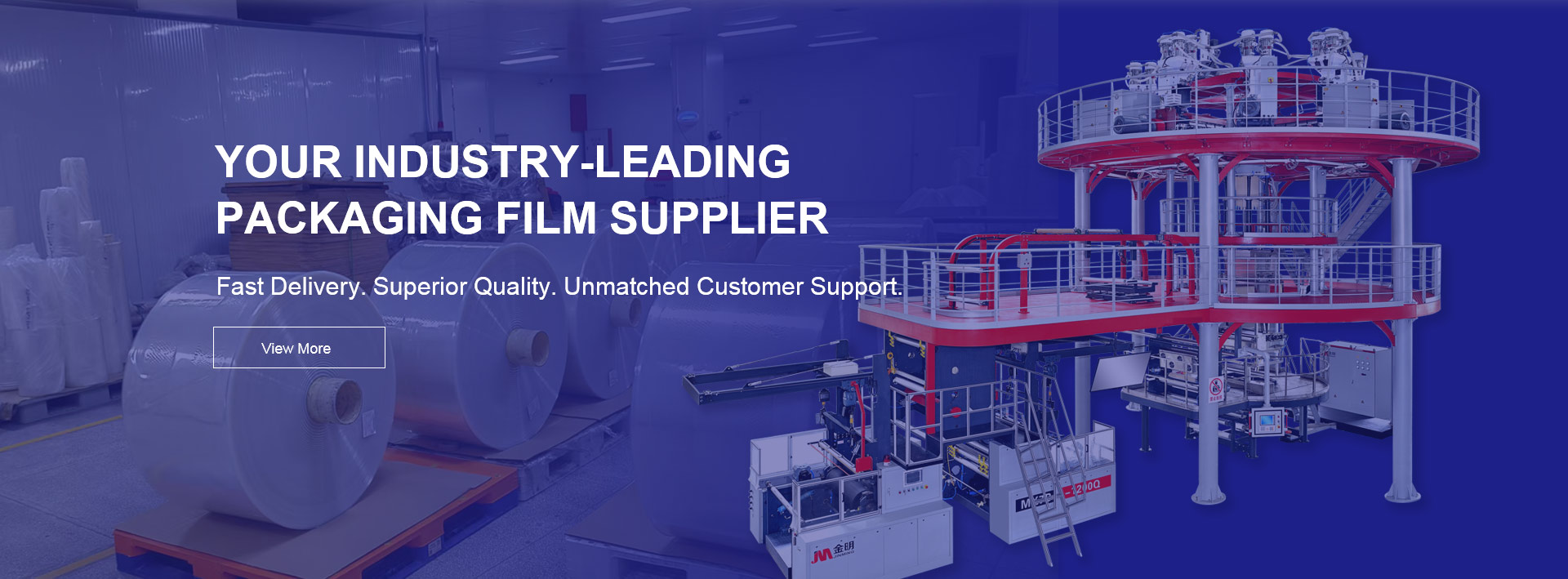
JINBORUN positions itself as a specialist in co-extrusion barrier food film and vacuum bags, with products covering Forming Film, barrier film, Vacuum Pouches, and printing and laminated solutions. Its website states that the company was established in 2016 and has more than 150 employees, serving packaging needs across food applications such as meat, seafood, frozen products, and other freshness-sensitive categories. That manufacturing focus is valuable because sealing performance depends heavily on material design and application matching. When a supplier understands both film structure and sealing behavior, buyers gain more control over product stability, machine compatibility, and long-term supply consistency.
| What to evaluate | Why it matters |
|---|---|
| Seal consistency across batches | Reduces complaints caused by unstable production |
| Seal behavior after transport | Confirms pack stability beyond the factory |
| Compatibility with filling speed | Prevents weak seals on high-output lines |
| Resistance to low temperature or grease | Supports real food application conditions |
| Leak resistance after vacuuming | Protects pack appearance and shelf performance |
| Material traceability and testing | Supports quality assurance and long-term cooperation |
For buyers sourcing Food Packaging Film, sealing performance should be treated as a technical specification, not a minor packaging detail. A package may look acceptable on the production floor, yet fail later if the seal is not engineered and controlled correctly. Strong seals support safer food handling, more stable distribution, lower complaint rates, and better commercial reliability. In food packaging, the seal is where performance becomes visible.