Food packaging performance is rarely the result of one material doing everything well. In real production, strength, seal integrity, oxygen control, puncture resistance, forming stability, and appearance often need to work together in one structure. That is why multilayer film has become a practical answer for modern food packaging. Instead of asking one resin to solve every problem, manufacturers assign a clear job to each layer and build a structure that matches product sensitivity, filling speed, storage conditions, and transport risks.
For food processors, packaging is not only about wrapping the product. It directly affects shelf life, line efficiency, leakage rate, scrap level, and retail presentation. FAO has noted that packaging must provide barrier protection against chemical, biological, and physical hazards so food quality and safety can be preserved through circulation and storage. That point matters even more in products such as chilled meat, seafood, cheese, prepared foods, and frozen items, where oxygen exposure, moisture movement, and mechanical damage quickly turn into claims, waste, and lost value. :contentReference[oaicite:0]{index=0}
A single layer film may seal well or look clear, but demanding food applications usually require more than one core property at the same time. A multilayer structure lets each resin serve one purpose. A sealing layer can focus on heat seal stability. A structural layer can improve toughness. A barrier layer can slow oxygen ingress. An outer layer can support printability, stiffness, or abrasion resistance.
This design logic explains the main multilayer packaging film advantages seen in factory use. The package becomes more balanced. It protects food better while also running more smoothly on automated equipment. It reduces the tradeoff between machinability and protection. For converters and food processors, that balance often means fewer seal failures, lower downtime, stronger pack consistency, and better product appearance on the shelf.
Barrier performance is one of the biggest reasons multilayer films are selected for food packaging. Oxygen speeds up oxidation, flavor loss, discoloration, and quality decline in many foods. USDA guidance on vacuum packaging states that oxygen in the air hastens chemical breakdown and bacterial growth, while vacuum packaging prolongs shelf life and preserves flavor. In multilayer structures, barrier resins such as EVOH are commonly placed between protective outer layers because EVOH offers excellent oxygen barrier but is sensitive to moisture. Technical references note oxygen transmission values below 2 cc per square meter per day for EVOH under suitable conditions, which is why it is widely used in high performance food packs. :contentReference[oaicite:1]{index=1}
That is where barrier film design becomes strategic. It is not just a matter of adding more layers. The layer sequence, thickness ratio, and end-use condition all matter. A film for fresh meat may prioritize oxygen control and puncture resistance. A film for frozen products may need stronger low-temperature toughness and seal reliability. A film for thermoforming lines must also maintain consistent draw performance during forming.
Many buyers focus on material composition, but process route also matters. co extrusion film allows multiple melted resins to be combined into one integrated film in a continuous process. This improves layer bonding consistency and gives manufacturers tighter control over thickness distribution and performance repeatability. Those are real co extrusion film benefits when supply programs need stable quality across repeated production lots.
For packaging buyers, the benefit is practical. A well-engineered co-extruded structure can reduce unnecessary over-specification. Instead of using thicker material just to gain puncture strength or seal security, the supplier can place performance exactly where it is needed. That often improves material efficiency without weakening pack safety. It also supports better adaptation to automatic vacuum packaging and thermoforming equipment, where unstable film structure can lead to forming defects, sealing variation, or waste.
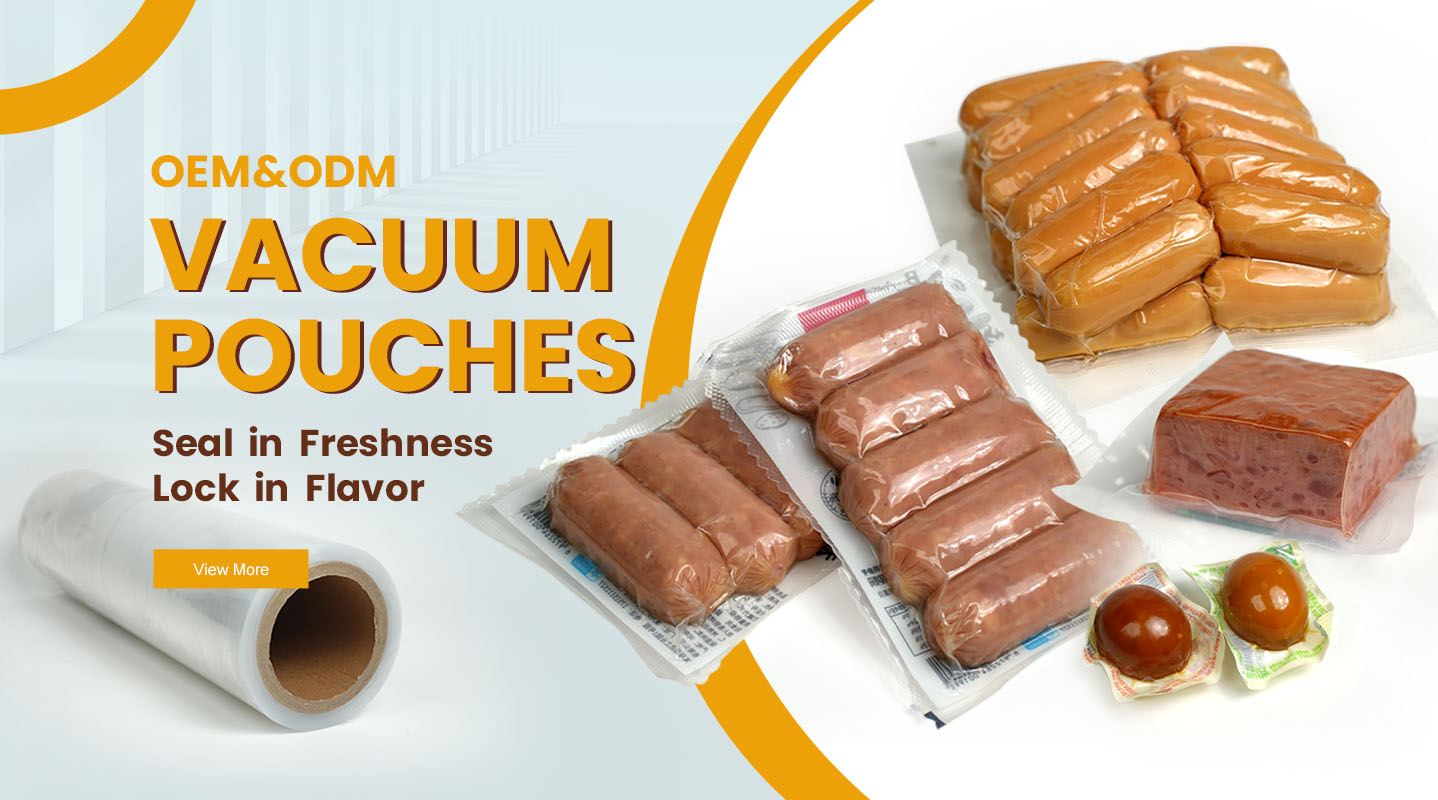
JINBORUN’s product range shows this clearly. Its site highlights forming film, barrier forming film, Vacuum Pouch solutions, and Multilayer Vacuum Thermoforming Film for meat, sausage, bacon, beef, cheese, seafood, and egg packaging. That product direction matches the needs of processors using automatic vacuum thermoforming equipment, where the bottom web must form clean cavities, resist puncture, and hold an effective barrier after shaping. :contentReference[oaicite:2]{index=2}
Thermoforming applications are demanding because the film is expected to do several jobs in sequence. It must heat evenly, form smoothly, support product loading, seal reliably with the top web, and still protect shelf life after packaging. This is where structure design becomes more important than simple thickness. A poor structure may look acceptable before forming but lose barrier balance or mechanical strength after draw-down. A better designed thermoforming film helps maintain pack integrity from machine output to cold chain distribution.
Selecting a film is not only about asking for a generic specification. Buyers should look at whether the supplier can match film structure to product category, line type, and storage target. The key questions are practical. What oxygen barrier is needed. How much puncture risk comes from sharp edges, bones, or frozen surfaces. What sealing window is required for the packing line. Does the application need forming depth, gloss, printability, freezer durability, or high vacuum retention.
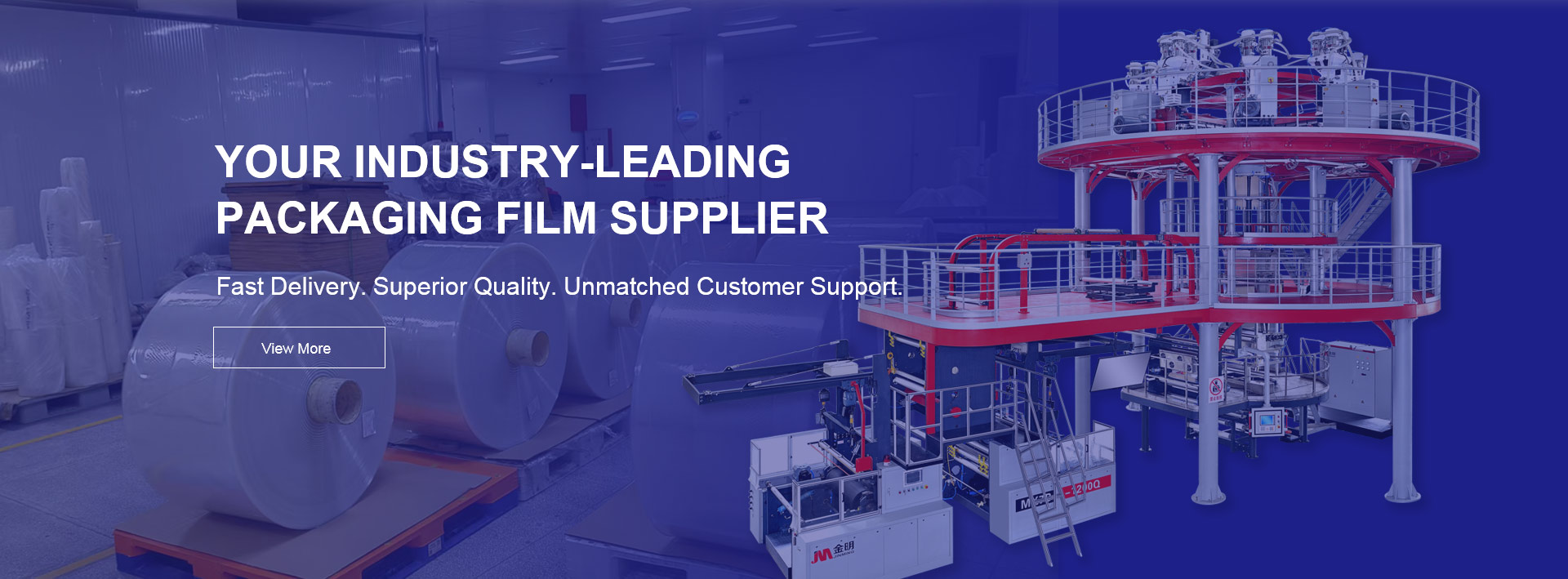
JINBORUN presents itself as a packaging film manufacturer focused on co-extrusion barrier food film, vacuum bags, forming film, barrier forming film, and Printing And Laminated Film. The company states it was established in 2016 and has more than 150 employees, which supports the image of a supplier built around continuous film production rather than one-off trading. For procurement teams, that kind of specialization matters because packaging consistency is built on process control, application knowledge, and repeatable converting capability. :contentReference[oaicite:3]{index=3}
| Layer role | Main function | Packaging result |
|---|---|---|
| Inner seal layer | Reliable heat sealing and product contact performance | Better seal integrity and fewer leaks |
| Structural layer | Strength and support during transport and handling | Reduced breakage and better pack stability |
| Barrier layer | Control oxygen migration and protect flavor | Longer shelf life and improved freshness |
| Outer functional layer | Print surface, abrasion resistance, forming support | Better appearance and line performance |
Multilayer film improves packaging performance because it turns one package into a coordinated system. Each layer handles a different task, and the full structure works harder than any single material could on its own. That improves shelf life, seal reliability, puncture resistance, forming consistency, and overall pack stability.
For food packaging operations that need dependable performance on real production lines, structure design is not a secondary detail. It is the reason the package succeeds or fails. JINBORUN’s focus on barrier film, forming film, and vacuum thermoforming applications reflects that reality and makes multilayer solutions more relevant for processors looking for durable, scalable packaging performance.