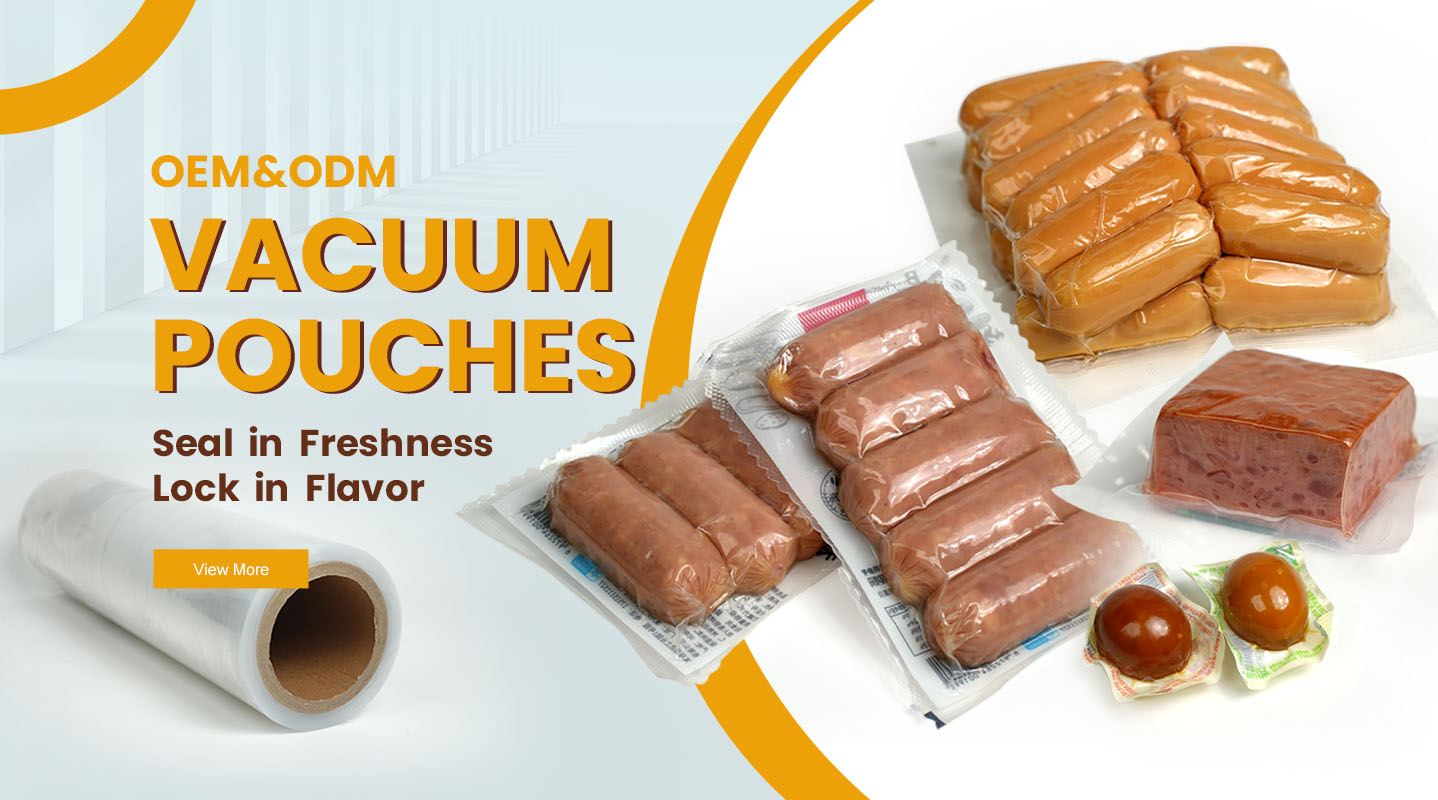
Moisture loss can make food dry, hard, discolored, or less appealing. It is a common issue in meat, seafood, cheese, bakery products, frozen food, and ready meals. Choosing the right moisture barrier film helps maintain product weight, texture, and appearance during storage and distribution.
Food loses moisture when water vapor moves through the package or when seals are weak. Temperature changes, long storage time, low humidity, and freezing conditions can make moisture loss worse. Frozen products may also suffer from freezer burn when packaging does not block moisture well.
A good moisture barrier food film should reduce water vapor movement. This helps keep food from drying out during refrigerated or frozen storage.
Moisture protection is not only about film material. If the seal is weak, water vapor and air can enter or escape through the package edge.
Film that is too thin may not provide enough protection for long storage or export transport. The right thickness depends on product weight, shelf life, and handling conditions.
For frozen food, the film should remain flexible after freezing. Brittle film may crack and cause moisture loss.
| Food Type | Moisture Risk | Suggested Film Need |
|---|---|---|
| Frozen meat | Freezer burn | Moisture barrier and puncture resistance |
| Seafood | Drip loss | Strong seal and cold flexibility |
| Cheese | Dry surface | Barrier and clean sealing |
| Bakery | Texture change | Moisture control |
| Ready meals | Sauce loss | Seal strength |
A reliable food barrier supplier should recommend film based on storage temperature, expected shelf life, packing machine, and product moisture level. Sample testing is important because moisture loss may only become obvious after several days or weeks.
Moisture barrier film helps protect food quality, reduce weight loss, and improve customer satisfaction.