Vacuum film tears during forming when the material is stretched beyond its real working limit. The problem often appears around deep corners, sharp mold edges, uneven heating zones, or areas where the film becomes too thin after forming. For food packaging lines, this can lead to product waste, machine stops, poor sealing, and unstable package appearance.
Every film has a forming limit. When the tray depth is too deep for the selected structure, the film becomes thin at the corner area first. Once thinning is too serious, small cracks or complete tearing may happen before filling starts.
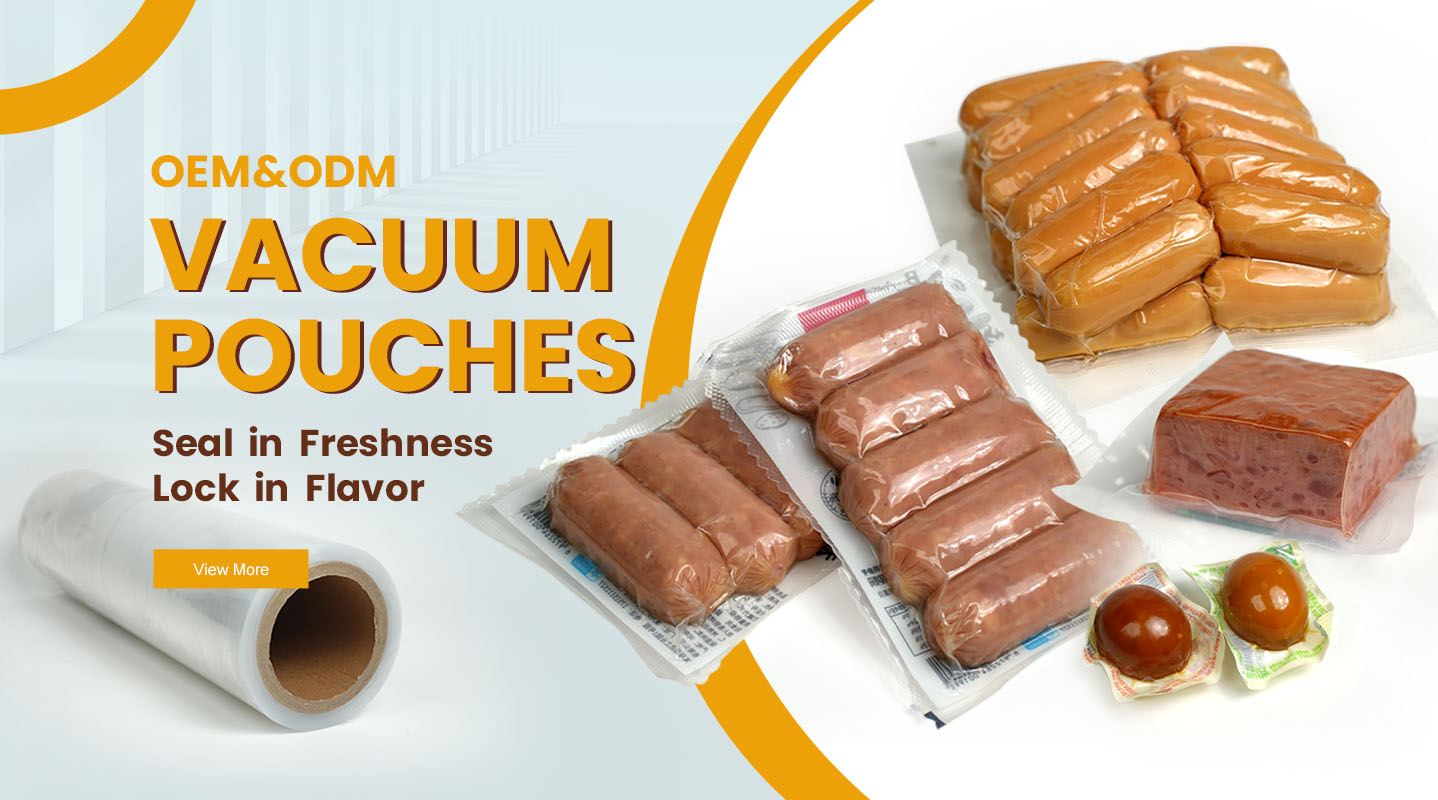
For meat, seafood, sausage, and prepared food packs, forming depth should be reviewed together with film thickness, mold shape, heating temperature, and machine speed. A vacuum Forming Film used for shallow packs may not perform well on deep-cavity trays.
Thermoforming needs stable heat. If one part of the film is hotter than another, the hotter area stretches more quickly and becomes weak. If the film is not warm enough, it may resist stretching and tear during vacuum pulling.
Packaging machinery references often show that stable preheating helps improve forming uniformity. In real production, operators should check heating plate cleanliness, temperature sensor accuracy, and startup heating time before bulk running.
Sharp mold corners increase tearing risk. When the film is pulled into a cavity, stress gathers around the corner. A small radius may look neat in design, but it can make the film stretch too hard during forming.
| Forming Area | Common Risk | Better Adjustment |
|---|---|---|
| Deep corner | Film thinning | Increase corner radius |
| Mold edge | Scratch or cut | Polish the edge |
| Heating zone | Uneven stretch | Balance temperature |
| Vacuum channel | Sudden pulling | Adjust vacuum timing |
| Web edge | Side tear | Check film tracking |
Vacuum force must be controlled. If vacuum starts too quickly or pulls too strongly, the film may be forced into the mold before it reaches the right softness. This can cause tearing in the bottom corner or side wall.
For vacuum thermoforming packaging film, forming stability depends on the balance between heat, time, pressure, and material elasticity. A slower forming curve may reduce tearing, especially for deeper packs or chilled food trays.
Different foods need different forming films. Frozen meat may need stronger puncture resistance. Cooked food may need oil resistance and good sealing. Seafood may require barrier performance and moisture protection.
JINBORUN reviews product shape, pack depth, filling weight, storage temperature, and machine condition before recommending film structure. As a forming film supplier, we focus on practical machine performance, not only film thickness.
Film can change after poor storage. High heat may increase roll deformation. Low temperature may make some films temporarily stiff. Moisture may affect the core and unwinding stability. These issues can make the film feed unevenly, increasing tearing during forming.
Flexible packaging materials are commonly stored around 15°C to 25°C in dry conditions before use. Rolls moved from a cold warehouse should recover to production-room temperature before running.
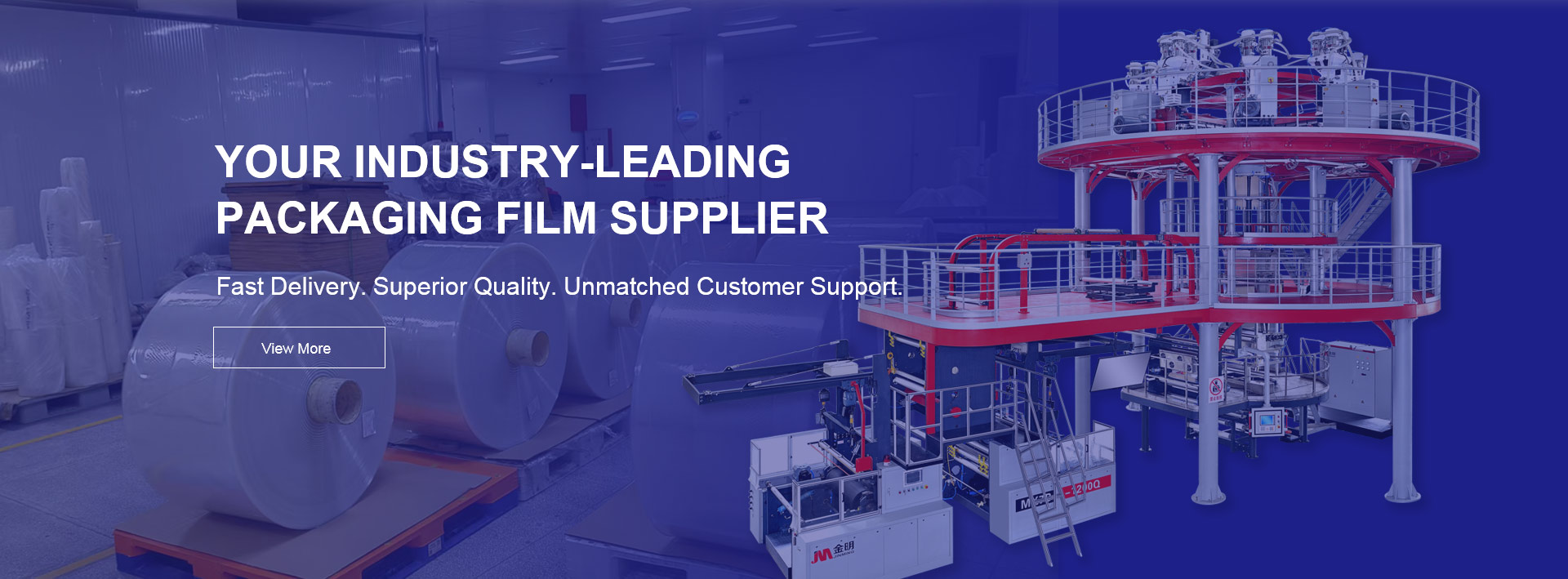
JINBORUN provides Food Packaging Films for thermoforming, vacuum packaging, frozen food, meat, seafood, sausage, and ready-meal applications. Our team can help customers adjust film thickness, structure, barrier level, sealing layer, and roll specifications according to actual packing conditions.
We also support sample testing before bulk orders, including forming trial, seal review, puncture check, and cold-storage observation. This helps customers confirm whether the film can match real production demands.
Vacuum film tears during forming because forming depth, heating balance, mold design, vacuum timing, film structure, and storage condition work together. Solving the issue requires checking both machine setup and material selection.
JINBORUN helps customers choose suitable forming films with stable stretching, reliable sealing, and better resistance to production stress, making food packaging lines run with fewer stops and cleaner finished packs.