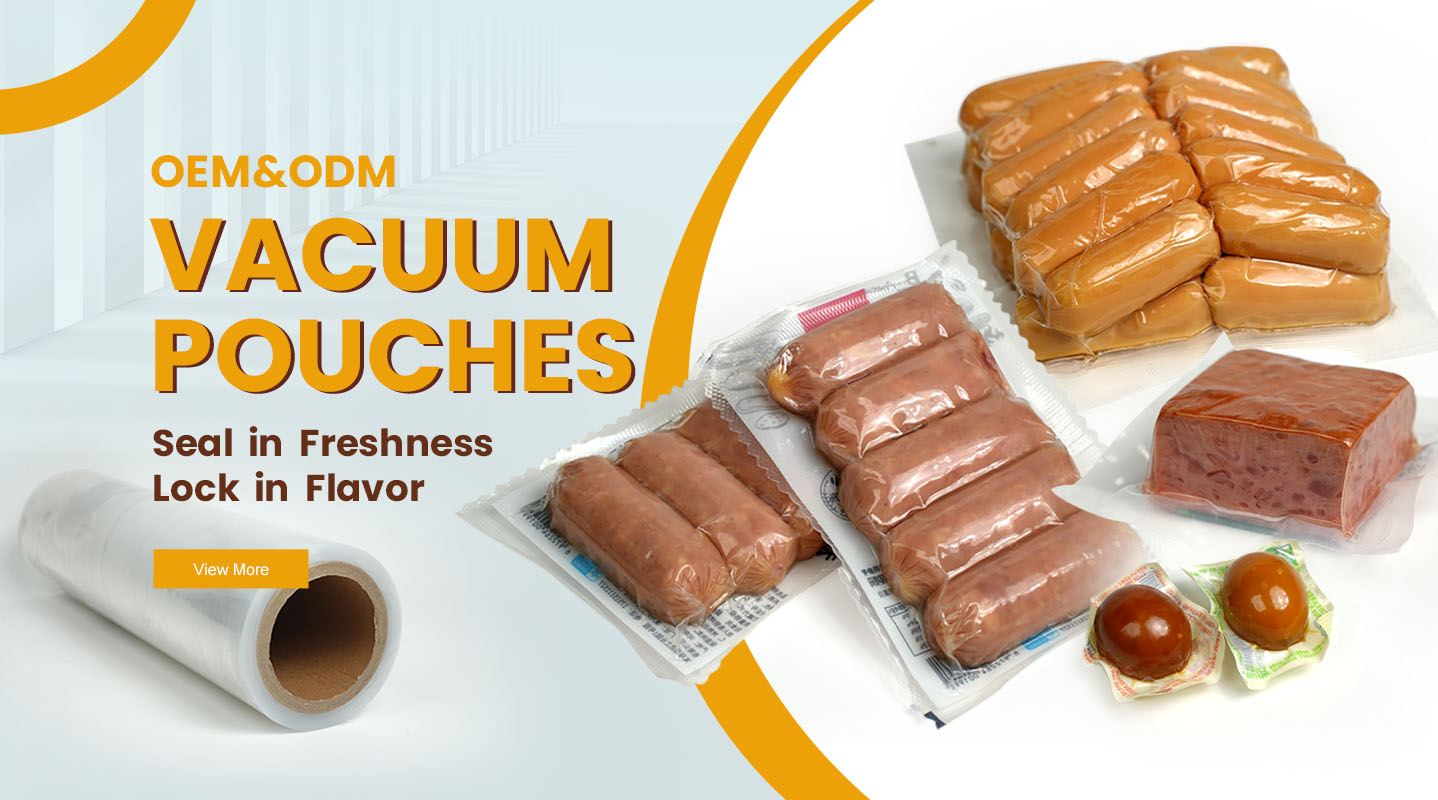
Freshness loss usually starts before a product looks spoiled. Oxygen, moisture, odor transfer, light exposure, and temperature changes can slowly affect color, flavor, texture, and product appearance. For meat, seafood, sausage, frozen food, and prepared meals, packaging is part of the preservation system. This is why barrier packaging film is widely used when food needs longer protection during storage, shipment, and retail display.
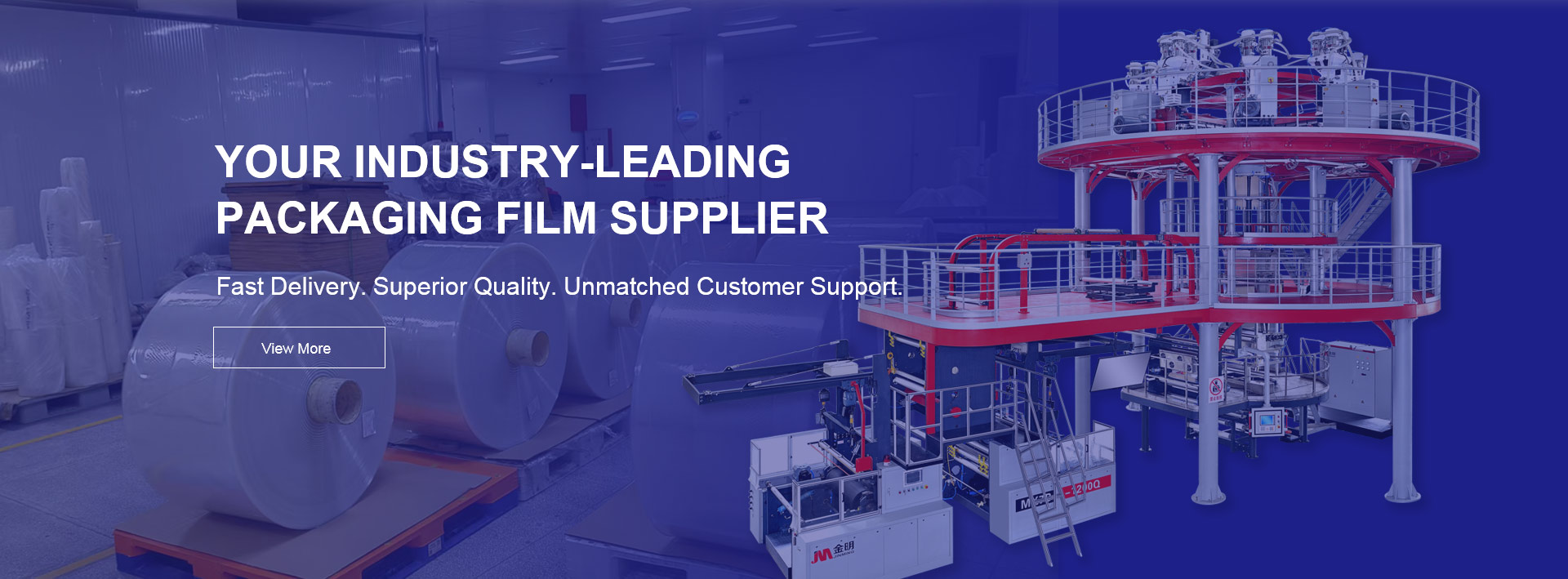
JINBORUN manufactures Food Packaging Films, Vacuum Pouches, thermoForming Films, and barrier film solutions for different food categories. From a manufacturing point of view, shelf life is not extended by one single material. It depends on the right film structure, sealing performance, storage condition, and product application.
Oxygen is one of the main reasons food quality changes during storage. It can contribute to fat oxidation, meat discoloration, aroma loss, and flavor decline. Vacuum packaging reduces the air inside the package, but the film must also slow oxygen from entering after sealing.
USDA guidance explains that vacuum sealing reduces oxygen exposure, helping reduce freezer burn caused by dehydration and oxidation when air reaches food. This improves product quality and helps extend shelf life under proper storage conditions.
For oxygen-sensitive products such as meat slices, sausage, seafood portions, and prepared food, a high barrier food film can help protect the product after packing. The film works as a protective layer between the food and the outside environment.
Shelf life is not only about oxygen. Moisture control is also important, especially for frozen food and refrigerated food. When moisture escapes from food, the surface may become dry, tough, or frosty. When too much external moisture enters the package, labels, printing, appearance, and film performance may also be affected.
USDA food safety information notes that proper packaging helps maintain frozen food quality and prevent freezer burn. This is important because freezer burn does not only affect appearance. It can also reduce texture and eating quality.
For frozen fish, frozen meat, and seafood products, the packaging film should help reduce moisture loss while keeping the pouch or roll film strong enough for cold-chain transport. JINBORUN can adjust film structure according to product moisture, storage temperature, and sealing method.
Many high-barrier films use functional layers to reduce oxygen transmission. EVOH is widely used in food packaging because of its strong oxygen barrier performance under suitable conditions. Research reviewed by CSIC on EVOH food packaging applications states that EVOH provides excellent oxygen, gas, and organic compound barrier performance under dry conditions, but high humidity can reduce oxygen barrier efficiency.
This is why a good barrier film is not simply one barrier layer. It is a multi-layer structure. Outer and inner layers help protect the functional barrier layer from moisture, sealing stress, and mechanical damage.
| Shelf-life risk | Barrier film function | Product impact |
|---|---|---|
| Oxygen entry | Slows oxidation | Better color and flavor retention |
| Moisture loss | Reduces dehydration | Less freezer burn and dryness |
| Odor transfer | Blocks unwanted smell movement | Cleaner product aroma |
| Seal failure | Supports package tightness | Lower air return risk |
| Film damage | Adds strength and flexibility | Better transport stability |
Food odor is an important quality signal. Seafood, meat, sausage, and cooked food can lose their original aroma or absorb unwanted odors during storage. In shared cold rooms, mixed transport environments, or retail distribution, odor protection becomes more important.
Barrier films help reduce aroma loss and outside odor entry. This is especially useful for vacuum-packed seafood, marinated meat, sausage, and ready-to-cook food. Once the package loses tightness or has poor barrier performance, the product may still be edible, but its market value and customer acceptance may decline.
As a food film supplier, JINBORUN pays attention to both functional protection and real packing conditions. For odor-sensitive products, film structure, seal strength, and puncture resistance should be reviewed together.
Even the best barrier material cannot protect shelf life if the seal is weak. A tiny channel at the seal area can allow air to return into the package. This often happens with wet seafood, oily meat, marinated products, or incorrect sealing settings.
Seal quality depends on the inner sealing layer, sealing temperature, sealing pressure, sealing time, pouch size, product moisture, and packing machine condition. For vacuum pouches and thermoforming films, the seal must stay stable during storage, stacking, and transport.
JINBORUN designs packaging films for food applications where sealing reliability is essential. The goal is to keep barrier performance working from the packing line to cold storage and delivery.
Many food packages need both protection and visibility. Buyers want to see the meat color, seafood freshness, sausage shape, or prepared food appearance through the package. This creates a challenge because the film must provide protection without making the product look unclear.
A Transparent medium barrier film can be useful when a product needs moderate oxygen protection and strong visual display. It can support product presentation while still improving storage protection compared with basic films.
For retail food, transparency helps communicate freshness. For industrial packing, it also helps workers check product condition, seal position, and packaging appearance more easily.
Higher barrier does not always mean better value for every food product. A product with a short delivery cycle may not need the same barrier level as frozen seafood for export. A cooked food product may need different protection than dry nuts. Over-design increases cost, while under-design may cause freshness loss and complaints.
Before selecting a barrier film, manufacturers should define:
Product type
Target shelf life
Storage temperature
Oxygen sensitivity
Moisture level
Packing method
Transport distance
Retail display needs
JINBORUN helps customers match film structure with real application conditions. This approach supports cost control while keeping packaging performance reliable.
Barrier film extends shelf life by slowing oxygen, moisture, odor, and quality loss. However, film performance must work together with proper sealing, cold-chain control, clean handling, and suitable product storage.
FAO reports that 13.2 percent of food is lost in the supply chain after harvest and before retail. Better packaging cannot solve every loss problem, but it can reduce preventable quality loss caused by poor protection, leakage, oxidation, and freezer damage.
JINBORUN provides barrier packaging film solutions for meat, seafood, sausage, frozen food, vacuum packaging, and thermoforming applications. With suitable material design, controlled production, and application-based support, barrier film becomes more than packaging material. It becomes a practical way to protect food quality, reduce waste, and support stable supply performance.