Selecting the right Food Packaging Film for meat is not only about wrapping a product securely. It directly affects shelf life, drip loss, color stability, seal reliability, transport performance, and final retail presentation. Fresh meat is highly sensitive to oxygen, moisture migration, temperature fluctuation, and microbial growth, so the best film choice must match the product type, barrier target, and cold chain condition from packing line to shelf. USDA cold storage guidance shows that fresh steaks, chops, and roasts usually keep for 3 to 5 days under standard refrigeration, while ground meat is typically 1 to 2 days, which shows how narrow the margin can be when packaging is not optimized.
For this reason, choosing Meat Packaging Film should begin with a simple question: what must the package protect first? For some products, the priority is oxygen control. For others, it is puncture resistance, low temperature stability, seal integrity, or a clear retail appearance. A reliable barrier film works by slowing the transmission of oxygen and moisture so the meat remains visually appealing and microbiologically stable for a longer period. Research and technical references consistently show that lower oxygen transmission can significantly improve product preservation, especially when paired with controlled storage temperatures and the right gas environment.
Different meat products need different film structures.
Fresh red meat often requires packaging that balances color presentation and oxidation control. High oxygen modified atmosphere systems are often used to maintain a bright red appearance, and published meat science reviews note that fresh beef in high oxygen MAP commonly uses gas blends such as 80 percent oxygen and 20 percent carbon dioxide. Those reviews also report that high oxygen packaging can keep color stable for up to 21 days, compared with about 4 to 7 days for oxygen permeable overwrap.
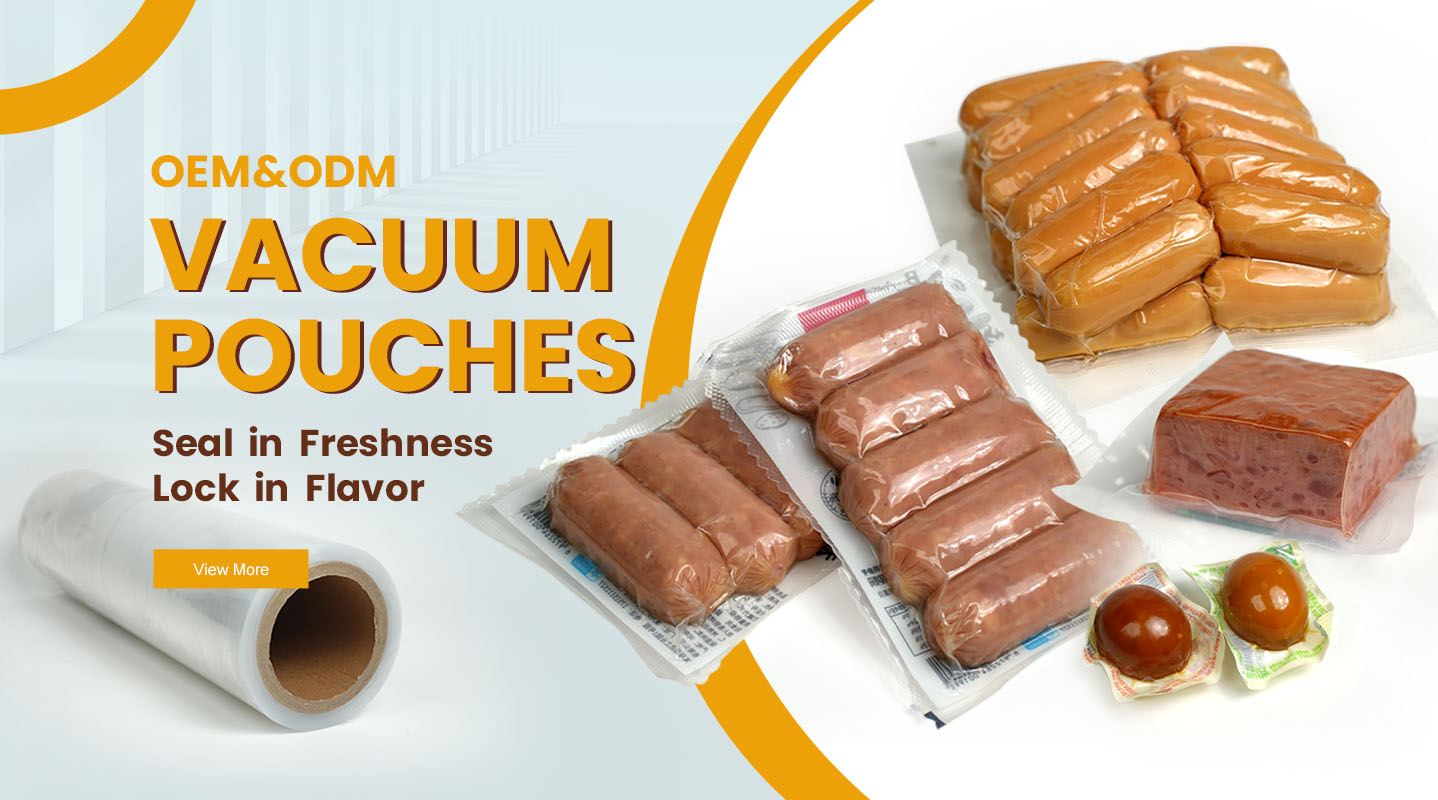
Ground meat and portioned fresh cuts usually need tighter control because they have more exposed surface area and are more vulnerable to oxidation and microbial change. Vacuum packaging and thermoforming structures are often preferred here because they reduce oxygen exposure and help slow visible deterioration. Recent studies on ground beef and fresh pork also show that vacuum packaging can reduce oxidation and help maintain appearance over longer chilled storage periods.
Frozen meat needs a different focus. The film must remain flexible at low temperature, resist puncture from hard edges and bone points, and reduce moisture loss during storage. JINBORUN highlights low temperature tolerance, sealing performance, and moisture resistance in its frozen food film solutions for meat and seafood applications.
A practical way to choose food packaging film for fresh meat is to match the film barrier level with the real storage route.
| Storage condition | Main risk | Film direction |
|---|---|---|
| Short chilled storage with fast turnover | Surface discoloration and drip | Medium to high barrier with strong seal performance |
| Vacuum chilled storage | Oxygen ingress and purge control | High barrier multilayer film |
| MAP retail display | Gas retention and color stability | High barrier film with stable OTR performance |
| Frozen distribution | Freezer burn and puncture | Low temperature resistant co-extruded film |
| Long transport distance | Seal failure and barrier loss | High strength film with reliable sealing window |
Barrier performance is often discussed through OTR. JINBORUN lists material options such as PA PE and PA EVOH PE, and gives barrier ranges including 20 to 100 OTR and 1 to 10 OTR for Vacuum Pouch structures. That makes it easier to align film choice with product shelf life targets and distribution time. Technical industry references also note that high oxygen barrier materials are generally expected to stay at very low oxygen transmission levels, while EVOH layers are widely used because they sharply improve oxygen resistance in multilayer structures.
Many buyers focus first on film thickness, but structure matters more. A well-designed multilayer film can outperform a thicker single-layer material because each layer serves a job such as oxygen barrier, puncture resistance, sealability, or transparency. On its product pages, JINBORUN states that it uses advanced multi-layer co-extrusion technology and works with materials including PA, EVOH, PE, and PP for food applications. This kind of structure is commonly selected when meat processors need both barrier protection and packaging line efficiency.
For meat processors, the most useful checklist includes these points:
Match the film to the shelf life target, not to a generic category. A fresh pork tray for local sale does not need the same barrier design as vacuum packed beef for longer cold chain distribution.
A good film should seal cleanly across a workable temperature window. Weak seals destroy barrier performance even when the material itself is strong. JINBORUN specifically emphasizes wide heat sealing range and strong seal reliability in its vacuum pouch solutions.
Sharp bones, frozen edges, and packed corners can cause micro leaks. Meat film should resist puncture and abrasion throughout transport and stacking.
Clear film helps show freshness and cut quality. JINBORUN also promotes high transparency in its meat and vacuum film products, which supports retail display and product inspection.
Film selection becomes more important when modified atmosphere packaging is used. Research shows carbon dioxide helps suppress microbial growth in meat systems, while oxygen supports bright red color in many red meat applications, and nitrogen is used as a filler gas to reduce package collapse. Studies on meat MAP commonly report blends such as 70 percent oxygen with 30 percent carbon dioxide, or oxygen free systems built around nitrogen and carbon dioxide for specific products. The film must hold that atmosphere long enough for the intended shelf window.
This is why the best film for meat preservation is not always the highest barrier available. For some retail fresh meat programs, a film that completely suppresses oxygen may protect shelf life but reduce the bright surface color that some markets expect. The best result comes from balancing barrier level, gas mix, product cut, and sales cycle.
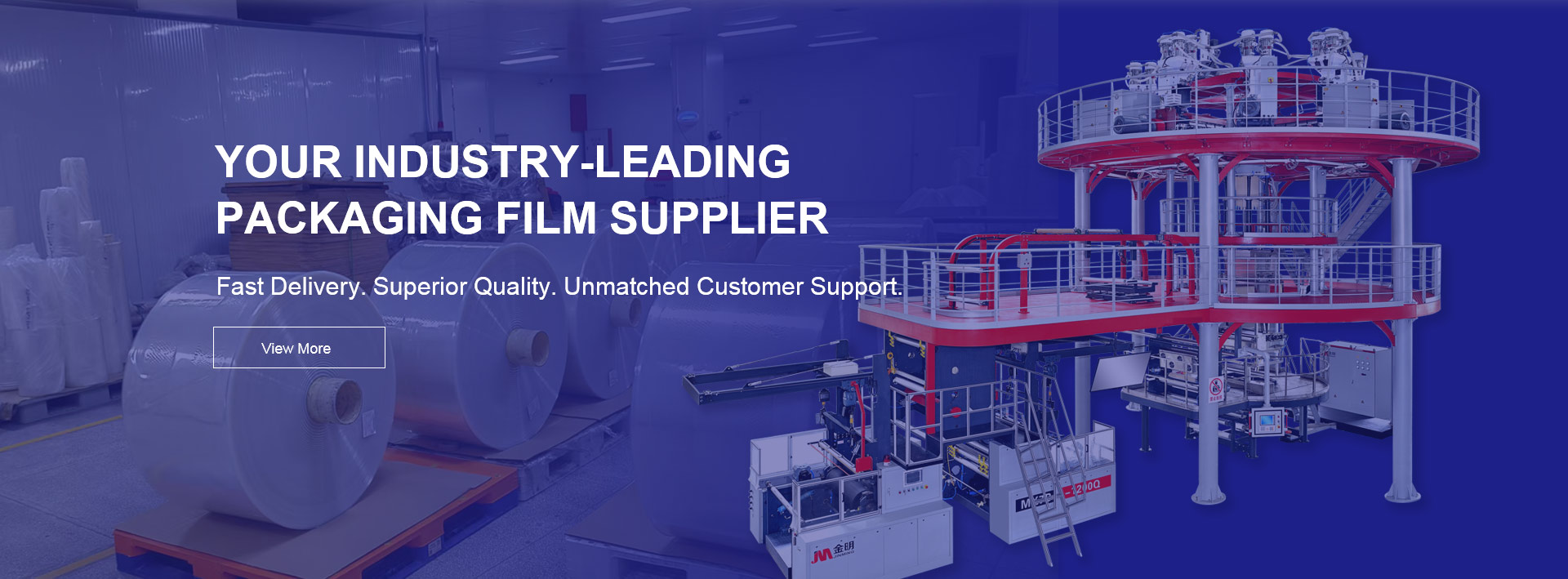
Film performance depends not only on formulation, but also on manufacturing consistency. JINBORUN presents itself as a professional packaging film manufacturer established in 2016 with more than 150 employees, focused on co-extrusion barrier food film, vacuum bags, Forming Film, barrier forming film, and laminated film. The company also states that it operates multi-layer water quench blown film equipment and multiple advanced production lines, with solutions used across meat, steak, seafood, sausage, and vegetable packaging. For buyers, that matters because repeatability in barrier, sealing, and dimensional control is what supports stable production across large volume orders.
When choosing food packaging film for meat, start with four variables: meat type, desired shelf life, storage temperature, and packaging method. Then confirm the barrier range, seal strength, puncture resistance, and display effect needed for that exact product. A well-matched meat packaging film protects quality, supports smoother processing, and reduces the risk of complaints caused by leakage, discoloration, or short shelf life.
For meat processors that need flexible solutions across fresh, chilled, or frozen programs, JINBORUN offers a broad product range in food packaging film for fresh meat, vacuum pouches, forming films, and high barrier structures built for different storage conditions and preservation goals.