In food packaging, shelf life is rarely controlled by one factor alone. Oxygen can trigger oxidation, color loss, aroma change, and microbial instability. Moisture can soften crispy foods, dry out frozen products, and change texture during storage. That is why high barrier film is used across the food supply chain. Its job is to slow the movement of gases and water vapor so the product stays closer to its intended quality from filling line to final sale. FAO notes that exposure to oxygen and ambient humidity can cause rancidity, flavor loss, and other undesirable changes during storage. FDA also notes that low oxygen conditions can help maintain product quality and extend shelf life in suitable packaged foods.
A practical way to understand high Barrier Film For Food Packaging is to see it as a protective structure rather than a single material. In most cases, it is a multilayer film built by combining layers that contribute sealing, toughness, puncture resistance, printability, and barrier performance. One of the most important barrier materials in this field is EVOH film, which is widely recognized for very low oxygen permeability under dry conditions. At the same time, published research shows that EVOH is moisture sensitive, which is why it is usually protected inside multilayer structures rather than exposed directly to humid conditions.
Different foods fail in different ways. Fresh meat and processed protein products are often highly sensitive to oxygen because oxidation affects color, flavor, and perceived freshness. Crispy snacks and dry ingredients are more vulnerable to water vapor because moisture pickup destroys texture quickly. Frozen products also benefit from better moisture control because it helps reduce dehydration and freezer surface damage over time. This is why many converters and processors select oxygen barrier packaging film not as a general upgrade, but as a targeted response to the main shelf life risk of the product.
A recent peer reviewed study on super chilled yak meat offers a clear example of what strong oxygen barrier performance can do. The study reported that high oxygen barrier packaging extended shelf life to 20 days while also helping maintain quality characteristics during storage. While every food system behaves differently, the result shows why barrier design has become a technical decision tied directly to product performance, not just appearance.
A barrier film works by assigning different jobs to different layers. Outer layers often provide toughness, abuse resistance, and machineability. Sealant layers support reliable closing performance during vacuum or thermoforming operations. Inside the structure, the barrier layer limits transmission of oxygen and sometimes aroma. In a typical food application, the structure may include PA, EVOH, PE, or PP selected according to the product, process temperature, and distribution conditions. JINBORUN describes its food barrier solutions as multilayer co extruded structures used for meat, seafood, frozen food, sausage, snack, and vacuum packaging applications.
The need for this structure is supported by material science. Research shows EVOH can absorb more than 10 percent moisture by weight under saturated humidity conditions, and that this moisture uptake reduces gas barrier performance. That is exactly why multilayer engineering matters. Instead of relying on one resin alone, converters place the high barrier layer inside a better protected architecture so oxygen protection remains more stable in practical use.
High barrier packaging is widely used for foods that need controlled exposure to oxygen and moisture across distribution and retail.
| Product type | Main packaging risk | Why barrier film is used |
|---|---|---|
| Fresh and processed meat | Oxidation, color change, microbial instability | Helps slow oxygen ingress and support product quality |
| Seafood | Moisture loss, odor migration, oxidation | Helps preserve texture, hygiene, and odor control |
| Frozen foods | Surface dehydration and quality loss | Helps reduce moisture transfer during frozen storage |
| Snacks and dry foods | Humidity pickup and texture loss | Helps maintain crispness and product consistency |
| Ready meals and cooked foods | Aroma loss and shelf life pressure | Helps retain flavor and improve storage stability |
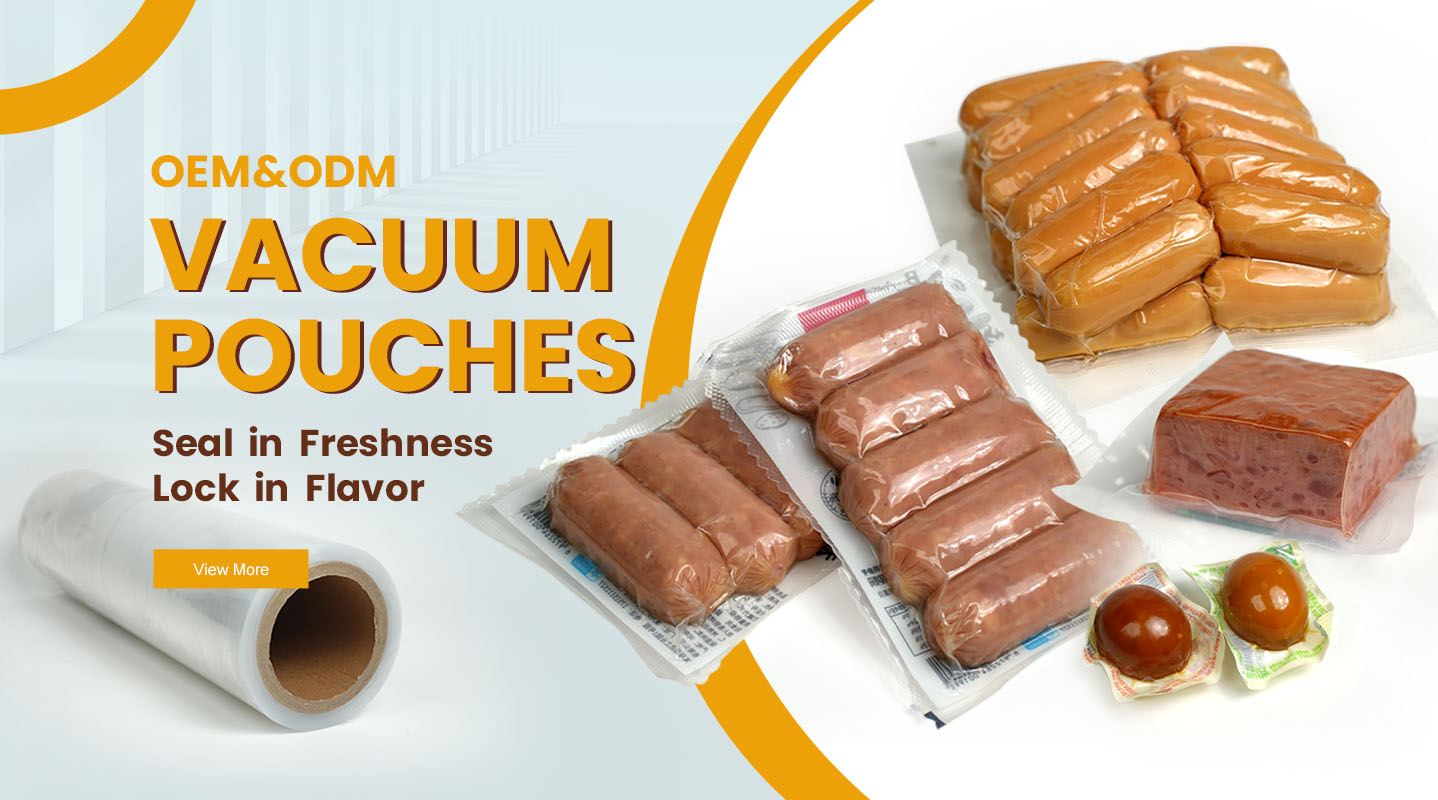
These use cases align closely with JINBORUN’s product portfolio, which includes co extrusion barrier food film, vacuum bags, Forming Film, Printing And Laminated Film, plus application focused solutions for meat, fish, seafood, snacks, egg products, and high temperature stewing packaging.
Not every barrier structure fits every product. A film designed for frozen seafood may not be the right choice for hot fill or high temperature cooking. A strong oxygen barrier may still fail in the field if puncture resistance, seal integrity, or forming performance are not matched to the product. For this reason, film selection should consider product fat content, target shelf life, storage temperature, sealing conditions, and whether vacuum, thermoforming, or laminated conversion is required. In the flexible packaging industry, good barrier design is always a balance between protection, processing, and pack format.
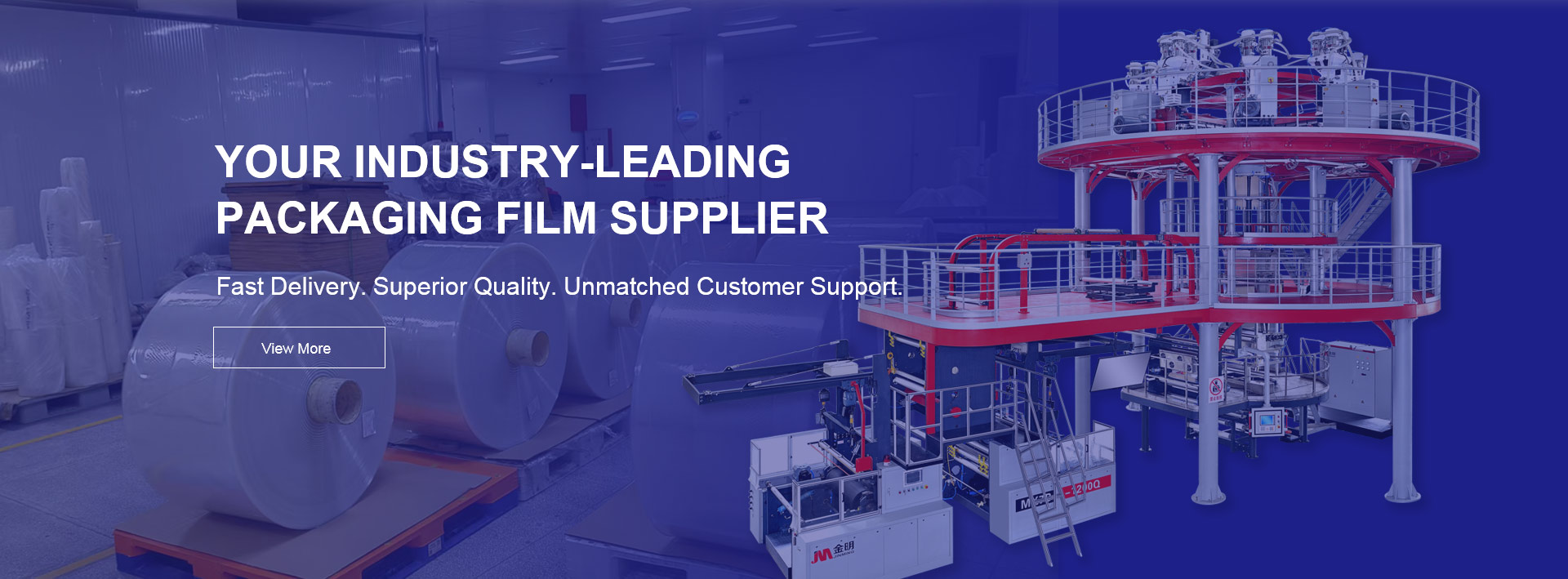
JINBORUN presents itself as a specialist manufacturer focused on co extrusion barrier food film and vacuum bags. The company says it was established in 2016, has more than 150 employees, and operates multi layer water quench blown film equipment together with advanced production lines. Its stated strengths include strict quality assurance, tailored packaging solutions, and experience across the value chain of the flexible packaging industry. For customers developing high barrier film for food packaging, that combination matters because barrier film performance depends not only on raw materials, but also on structure design, process control, and consistency from batch to batch.
So, what is high barrier film used for? It is used to protect food against the two most common shelf life threats: oxygen and moisture. Through layered design, materials such as EVOH film help reduce oxygen transmission, while the full multilayer film structure adds sealing, strength, and moisture management. When the film is matched correctly to the food and process, it can help preserve flavor, texture, color, and storage stability throughout distribution. For manufacturers working with protein, seafood, frozen foods, and ready to pack products, high barrier film is not just packaging material. It is a functional tool for protecting product value.