“Food-grade packaging film” is not a marketing label. In day-to-day purchasing, it should mean the film is designed for direct food contact, produced under controlled manufacturing conditions, and supported by documentation that matches the exact use scenario, food type, and processing temperature. In the United States, people often summarize this as “FDA compliant,” but FDA does not issue a universal approval certificate for a finished packaging film. Compliance is demonstrated by showing that every component in the food-contact structure is legally cleared for its intended use, and that the finished film is made under good manufacturing practice.
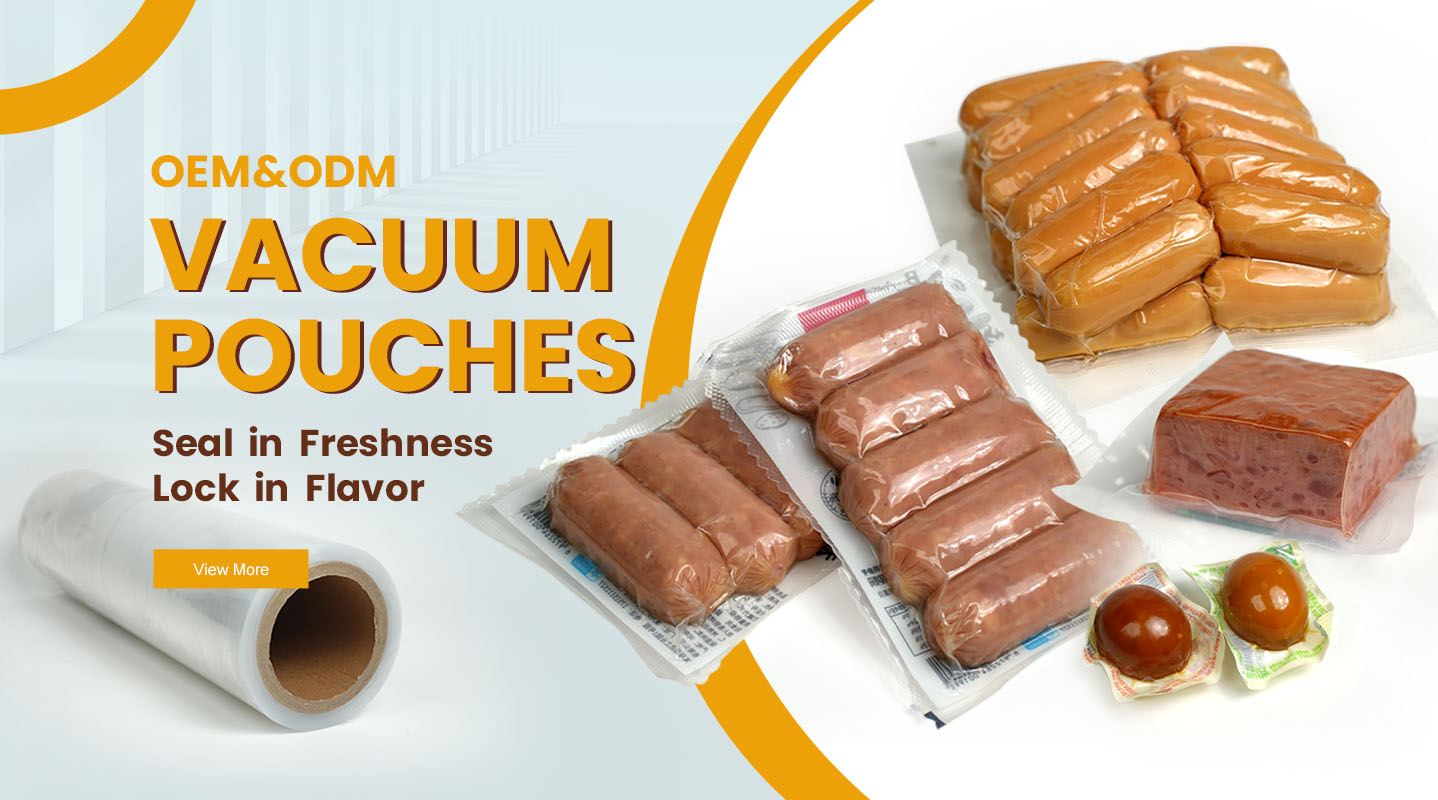
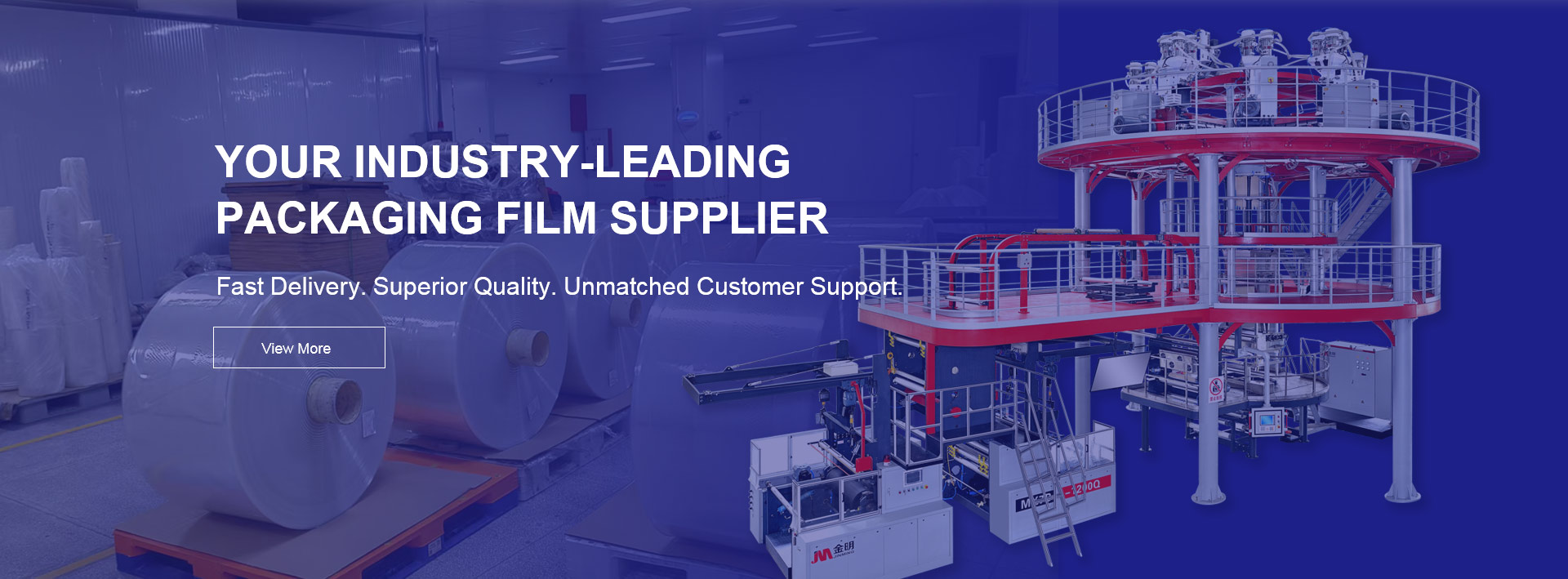
JINBORUN focuses on co-extrusion barrier food films and vacuum packaging solutions, with product lines covering Food Packaging Film, Vacuum Pouch, Forming Film, and printing plus laminated structures. The factory is based in Jiangmen, Guangdong, established in 2016, with more than 150 employees, and has the capability to engineer multilayer structures for meat, seafood, frozen foods, and egg products.
For food-contact packaging, FDA oversight is built around the legal status of the substances used as components of the packaging, rather than a single stamp on the finished roll.
Key idea: a film is considered compliant when its food-contact components are used in line with FDA regulations for indirect food additives, and the material is produced under good manufacturing practice.
Two practical routes are commonly used:
Use components already listed and permitted in FDA regulations for indirect food additives in Title 21 of the Code of Federal Regulations, Parts 174 through 179. FDA explains that components used in compliance with these regulations generally need no further FDA review.
When a substance is not already covered by a regulation, it may be cleared via the Food Contact Substance Notification process, which is the primary premarket pathway for food-contact substances.
Good manufacturing practice matters because even a legally cleared polymer can become noncompliant if the film is contaminated, misprocessed, or carries impurities that can transfer to food. FDA’s GMP principle for indirect additives is expressed in 21 CFR 174.5.
A usable definition for sourcing is:
Food-grade packaging film is a film structure engineered for food contact, supported by compliant raw-material status, controlled manufacturing, and finished-film verification for migration, organoleptic neutrality, and fitness for the intended packaging process.
This definition forces the conversation toward measurable items:
Food contact layer material status and formulation control
Migration risk management tied to food type and processing temperature
Odor and taste neutrality under storage conditions
Seal integrity and puncture resistance for the distribution environment
For high-barrier applications, multilayer co-extrusion is often chosen because barrier performance is built into the structure rather than relying only on adhesives. JINBORUN’s portfolio highlights multilayer co-extrusion structures that can combine materials such as PA, EVOH, PE, and PP to balance barrier, strength, and sealing performance.
The most common numeric reference points come from exposure thresholds and migration limits.
FDA exposure reference used in guidance: 0.5 ppb, used as a cutoff that influences recommended data requirements for certain food-contact submissions. This number is discussed in FDA guidance related to food-contact submissions and exposure-based recommendations.
European Union overall migration limit for plastics: 10 mg per square decimeter of contact surface, and also expressed as 60 mg per kg of food for certain standard assumptions. The European Commission summarizes these limits, and the EU Plastics Regulation text explains the relationship between the two expressions.
These values do not replace product-specific testing, but they shape what documentation and test plans buyers request.
| Topic | United States, typical expectation | European Union, typical expectation |
|---|---|---|
| Legal basis | Components compliant with 21 CFR indirect food additive framework, plus GMP expectations | Plastics Regulation compliance framework with migration limits and positive list approach |
| How compliance is shown | Component regulatory status plus manufacturing controls, often supported by supplier declarations | Declaration of compliance plus migration testing under worst foreseeable conditions |
| Common numeric reference | 0.5 ppb exposure reference in FDA guidance for certain submission pathways | OML 10 mg per square decimeter and 60 mg per kg food expressions for overall migration |
FDA explains the concept of components used in compliance with 21 CFR needing no further review, and the EU side emphasizes overall migration limits.
Most compliance issues are not about the word “food-grade.” They come from mismatches between the film and the real use conditions.
Common mismatch patterns:
The film structure is selected for barrier, but the sealing layer is not stable across the plant’s sealing window, leading to microleaks and higher oxygen ingress.
The film is used for higher-temperature filling or pasteurization than it was designed for, raising migration risk.
Printing and lamination choices are made for appearance first, without confirming food-contact side design and setoff control.
Change control is weak, so a resin or additive substitution happens without reconfirming the compliance file.
This is why a manufacturer’s process discipline and traceability matter as much as the film’s datasheet.
Use a checklist that ties the compliance file to your product reality.
Intended use statement
Confirm food type, fat content category, storage time, and maximum process temperature.
Composition and structure control
Request the multilayer structure description and change-control commitment for the food-contact layer.
GMP and traceability
Ask how lots are traced from resin to finished roll or pouch, and how nonconforming material is isolated under factory control.
Verification testing plan
Request migration test strategy aligned with the intended use, plus odor and taste neutrality checks when relevant.
Performance confirmation
For vacuum sealing projects, request seal integrity and puncture performance verification aligned with distribution.
These questions apply directly to long-run supply programs, bulk order forecasting, and OEM and ODM packaging development, because they reduce redesign cycles and avoid compliance surprises.
JINBORUN is positioned as a manufacturing supplier focused on co-extrusion barrier food film and vacuum packaging structures, supporting vacuum pouches, forming films, and printed plus laminated film formats. The product coverage across seafood, meat, frozen foods, and egg packaging indicates familiarity with high-variability cold chain conditions and high-barrier requirements.
From a process standpoint, co-extrusion enables stable multilayer structures, and JINBORUN’s product descriptions show repeated emphasis on barrier performance, low-temperature tolerance, and mechanical strength, which are core needs in vacuum and thermoforming lines.
To align content with how buyers search, use specific long-tail phrases that reflect application and compliance needs:
FDA compliant food-grade packaging film for vacuum sealing meat
high barrier food-grade packaging film for seafood cold chain
food-grade thermoforming packaging film roll for forming lines
co-extruded EVOH barrier food packaging film for oxygen control
custom printed food-grade packaging film for frozen food
FDA and food-grade packaging film mean accountability: compliant components, controlled manufacturing, and verification that fits the real use conditions. When the documentation aligns with your product, process temperature, and distribution environment, “food-grade” becomes a dependable specification rather than a vague promise. JINBORUN’s co-extrusion barrier focus, broad food packaging portfolio, and stable manufacturing base support programs where performance, compliance clarity, and supply continuity must move together.