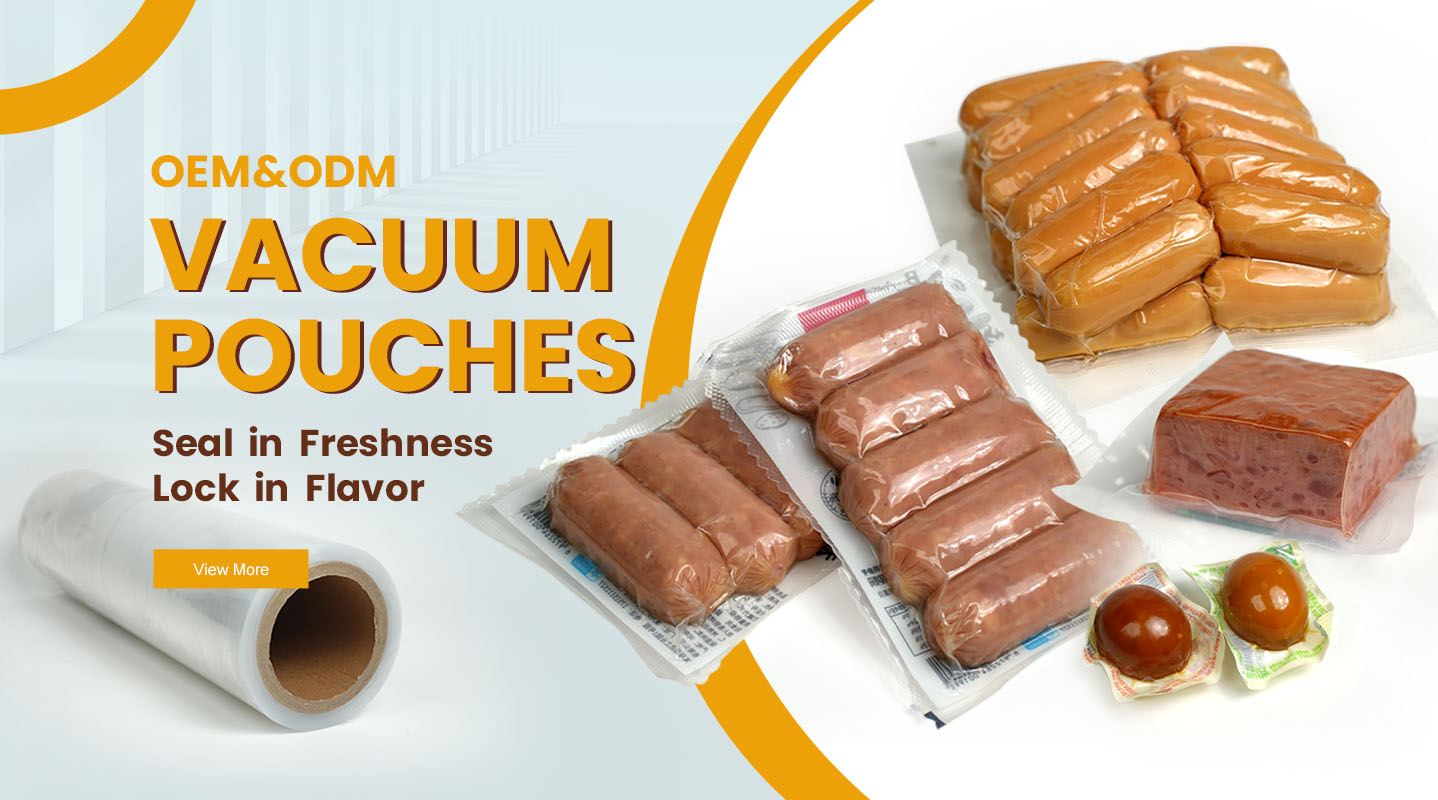
Food Packaging Film protects products, extends shelf life, and reduces food waste, but it also creates end of life complexity when structures are multilayer or contaminated by food residues. Globally, packaging is one of the largest sources of plastic waste, and only a small share is ultimately recycled after collection and processing losses.
From a packaging film manufacturer perspective, responsible disposal starts long before a roll of film reaches a filling line. It depends on three decisions that buyers can influence early: material structure, local collection compatibility, and clear handling instructions for operations teams.
Most food packaging films are designed for barrier performance, seal strength, and puncture resistance. Those properties often rely on multilayer combinations that recyclers cannot separate economically. At the same time, flexible film is lightweight and can jam sorting equipment if it is not handled in the right stream, which is one reason why household access to film recycling remains limited in many regions.
In the United States, collected film is a meaningful share of postconsumer plastics sent to recycling, yet it still represents only part of what is generated, and collection pathways vary widely by state and retailer programs.
The correct route depends on what the film is made of, not just how it looks. Use supplier specifications, incoming material records, and packaging change control to classify film into one of these practical buckets.
| Common structure in food packaging film | Typical performance reason | Most realistic end of life route |
|---|---|---|
| Polyethylene PE mono material film | Sealability, toughness, moisture barrier | Film recycling where accepted, often store drop off or dedicated collection |
| Polypropylene PP mono material film | Stiffness, heat resistance, machinability | Film recycling where PP flexible is accepted, otherwise energy recovery where permitted |
| PET plus PE laminations | Printability and stiffness with sealing | Usually not recyclable in conventional film streams, prioritize waste to energy where allowed |
| Polyamide nylon plus PE high barrier film | Oxygen barrier for vacuum food packaging film | Usually not recyclable in conventional film streams, treat as residual waste |
| Metallized or aluminum barrier laminations | Light and oxygen barrier | Usually residual waste, avoid mixing into recycling bales |
Clean input drives better recycling outcomes. For used packaging, contamination is the main reason otherwise recyclable film is rejected.
Separate production trim and start up scrap from post use packaging waste
Keep recyclable food packaging film scrap dry and free of labels, paper, and food
Bale or bag film to prevent it blowing around the facility and mixing with general waste
Train line teams on one simple rule: clean mono material food packaging film goes into the recycling container, everything else goes into residual waste
This single segregation step can materially improve the quality of collected film and reduce disposal cost volatility.
Use a hierarchy that reflects what is actually accessible, not what is theoretically recyclable.
Closed loop collection for clean industrial scrap Clean forming edge trim and converting scrap are the highest value streams. They are also easiest to document for internal sustainability reporting.
Dedicated film collection programs In many regions, flexible film is collected through specific drop off systems rather than curbside. Household access to recycle film at home can be extremely limited, so facility led collection is often more reliable.
Energy recovery where legally permitted For multilayer high barrier food packaging film that cannot enter a film recycling stream, energy recovery can be preferable to uncontrolled disposal, depending on local regulation and infrastructure. Globally, a large share of plastic waste still goes to landfill or uncontrolled disposal, so compliance focused routing matters.
Landfill as a last resort Use only when no compliant recovery option exists.
Design choices have a bigger impact than end of line sorting. Industry design guidance for flexible packaging generally favors mono PE or mono PP structures whenever possible to maximize recyclability and recyclate quality.
When you are sourcing food packaging film, build these checks into your RFQ process.
Confirm whether the structure is mono material or a mixed material laminate
Ask for thickness, barrier targets, and sealing window, then evaluate if a downgauged mono material option is feasible
Require a clear waste handling instruction sheet for plant teams
Align packaging artwork and inks with recycling compatibility targets where applicable
JINBORUN is focused on co extrusion barrier food film and vacuum bags, supplying functional co extrusion films including Forming Film, barrier forming film, Vacuum Pouch, and printing laminated film, supported by an established manufacturing team and advanced facilities.
For projects that prioritize sustainable food packaging film disposal, we typically support buyers with:
Structure selection that balances shelf life needs with recyclability targets
Documentation that clarifies material composition for downstream sorting decisions
Stable bulk supply planning for consistent specs across batches and production ramps
Responsible recycling or disposal of food packaging film is achievable when material choices, plant handling, and local collection realities are aligned. Start by classifying the structure, separate clean scrap streams, use the best available recovery pathway, and prevent future waste issues by specifying recycling compatible designs upfront. JINBORUN can support this work through fit for purpose film structures, manufacturing control, and clear technical documentation that helps keep disposal decisions compliant and practical.