In packaging, “plastic film” can mean anything from a simple single-layer wrap to a highly engineered multilayer structure. The key difference is what the film is designed to protect against. Standard plastic film is usually built for basic containment, clarity, and sealing. Barrier film is built to control transmission of oxygen, moisture, aroma, oils, and sometimes light, so the product stays stable through storage, transport, and shelf time.
At JINBORUN, most high-performance solutions are produced using multilayer co-extrusion technology and converted into Forming Films, barrier Food Packaging Films, Vacuum Pouches, and Printing And Laminated Films, so packaging lines can match protection level to product sensitivity and distribution conditions.
A film’s barrier performance is about how fast small molecules pass through it. Two common metrics used by packaging engineers are:
OTR: Oxygen Transmission Rate
WVTR: Water Vapor Transmission Rate
Standard plastic films can seal well and look great, but if the product is oxygen-sensitive or moisture-sensitive, the film may allow quality loss such as oxidation, flavor fade, texture change, freezer burn, or discoloration. Barrier films address this by adding functional layers that slow or block diffusion pathways.
Barrier film is not only about longer shelf life. It is also about more stable production results, because consistent barrier performance helps reduce rejections, leakage complaints, and waste caused by premature spoilage.
Standard plastic film is often a single material or a simpler blend. It is easier to make and typically lower cost, but it offers limited protection against oxygen and moisture for demanding products.
Barrier film is commonly multilayer, where each layer has a job. A typical co-extruded structure may include:
A strength and stiffness layer for handling and converting
A barrier layer to control oxygen and aroma migration
A seal layer to ensure reliable heat sealing on automated lines
Tie layers to maintain bonding between dissimilar materials and prevent delamination
This layered design lets packaging engineers fine-tune performance for vacuum packaging, thermoforming, or high-speed pouching, without overbuilding the film.
| Item | Barrier Film | Standard Plastic Film |
|---|---|---|
| Oxygen protection | Designed for low OTR performance | Usually limited, depends on material and thickness |
| Moisture protection | Tuned for low WVTR where needed | Often moderate, varies by resin choice |
| Aroma and flavor retention | Strong control of aroma migration | More aroma permeation risk |
| Shelf-life support | Better stability for sensitive foods | Better for short-cycle or less sensitive products |
| Package formats | Vacuum pouches, thermoforming webs, laminated structures | Simple wraps, basic bags, liners |
| Cost profile | Higher due to materials and process complexity | Lower due to simpler structure |
| Process stability | Built for consistent sealing and protection | May need tighter process controls to reduce defects |
Barrier film is typically chosen when the product has a high risk of quality degradation from oxygen or moisture exposure, or when distribution time is long. Common triggers for upgrading from standard film include:
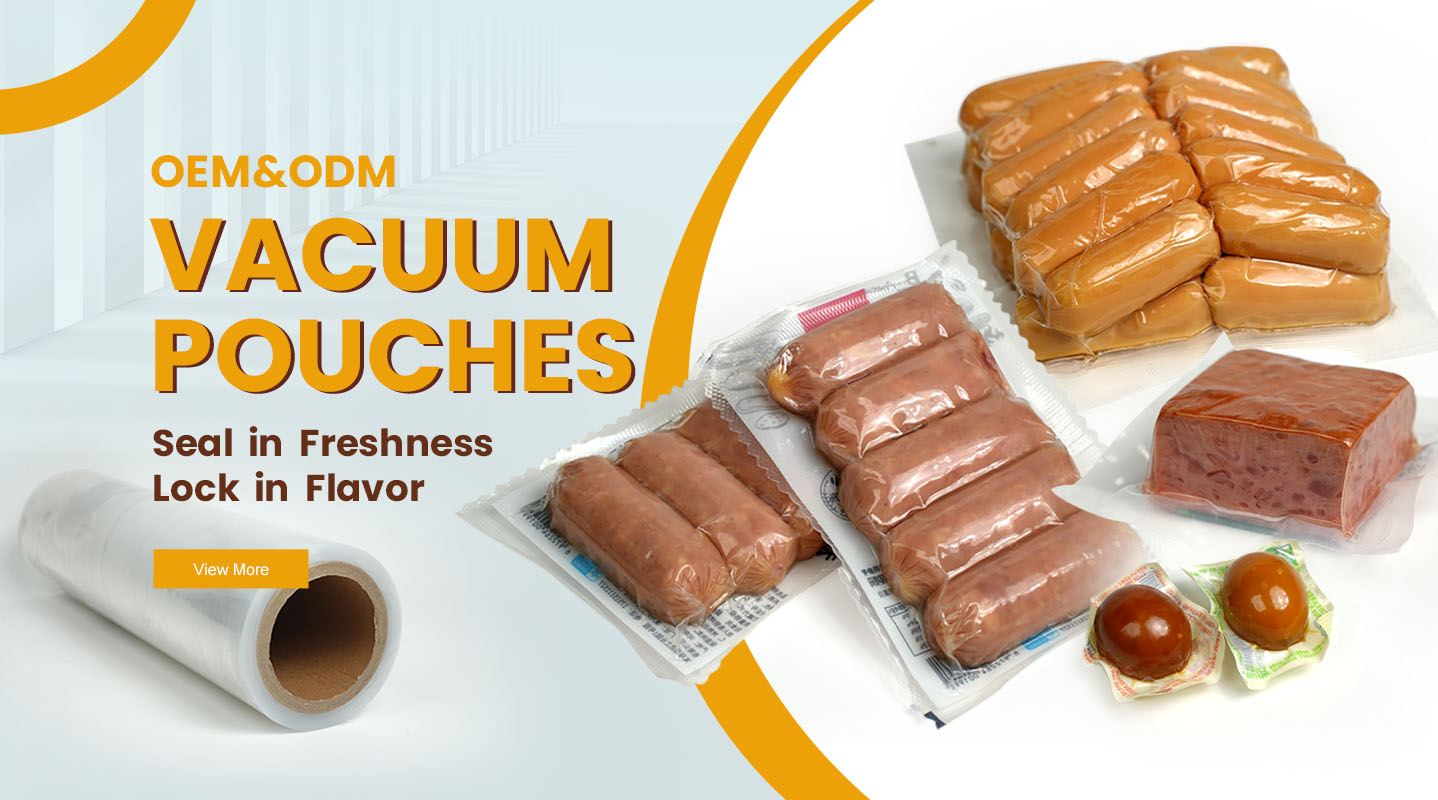
Vacuum packaging where oxygen control is critical for freshness and appearance
Thermoforming lines where deep draw performance must pair with barrier protection
Frozen foods where moisture migration can cause freezer burn and texture loss
Processed meats and seafood where aroma retention and oxidation control affect acceptance
High-turn retail packaging where visual freshness and seal reliability influence returns
If the product is stable, consumed quickly, or already protected by a secondary barrier, standard plastic film may be sufficient. The best choice comes from matching film design to product sensitivity and the real distribution cycle.
A common mistake is selecting the highest barrier available without checking what is actually needed. A more cost-efficient approach is to define performance targets:
Identify the biggest spoilage driver: oxygen, moisture, aroma loss, or contamination
Confirm the packaging method: vacuum pouch, skin pack, MAP tray lidding, thermoforming web
Define storage conditions: chilled, frozen, ambient
Estimate distribution time and handling risks such as puncture from sharp edges or bone-in products
Decide printing needs: plain film vs printed or laminated structures
This is where a manufacturer-led approach helps. With JINBORUN’s co-extrusion capability across multiple packaging formats, film structure can be tuned to the protection level you actually need, rather than using a one-size-fits-all material.
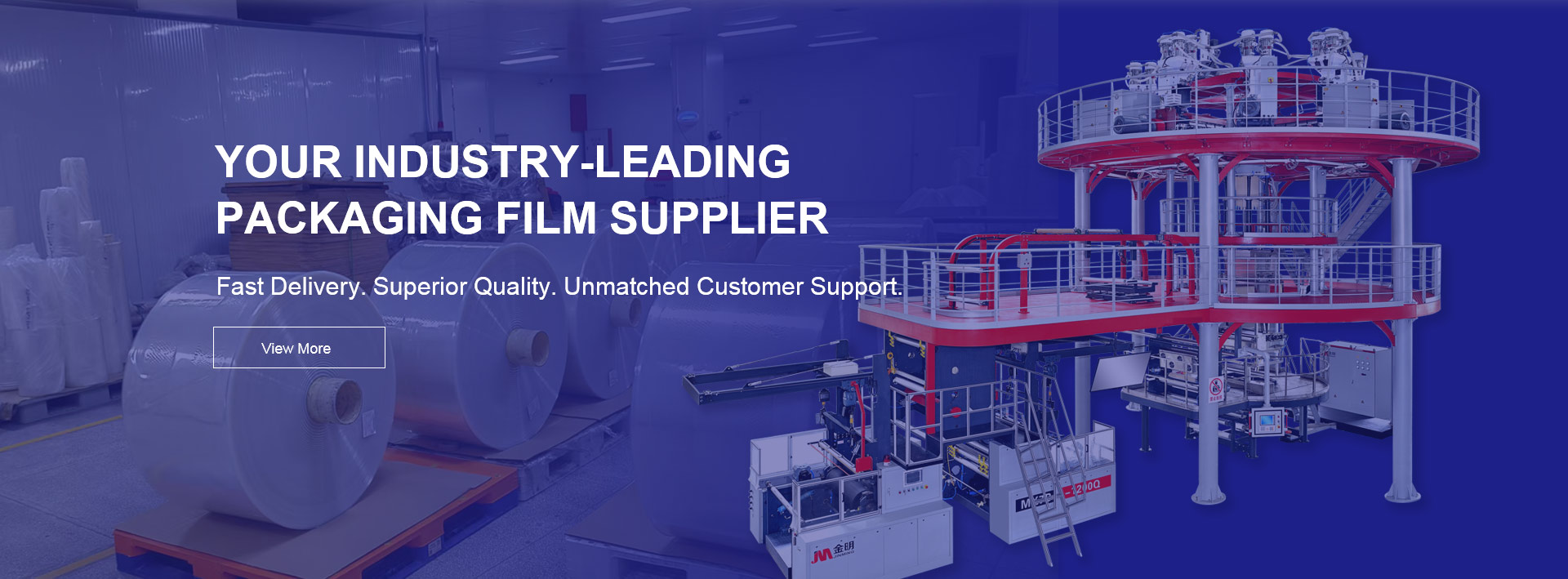
When packaging film is tied directly to shelf stability and line efficiency, supply reliability matters as much as material design. JINBORUN focuses on co-extruded functional films and vacuum packaging solutions with:
A production setup dedicated to co-extrusion barrier food films and vacuum bags
Product coverage across food packaging films, forming films, vacuum pouches, and printing and laminated films
Technical support for structure selection based on sealing behavior, forming requirements, and protection targets
Capacity planning that supports bulk order fulfillment while keeping quality consistency for repeat runs
Project coordination that is OEM-ready, helping align film specifications with your converting and packing process
The difference between barrier film and standard plastic film is not just thickness or price. It is engineering intent. Standard plastic film focuses on basic containment and sealing. Barrier film focuses on transmission control, using multilayer structures to protect product quality against oxygen, moisture, aroma loss, and distribution stress. When shelf stability, appearance, and process consistency are key, a tailored barrier structure can reduce waste and improve packaging reliability across the entire supply chain.