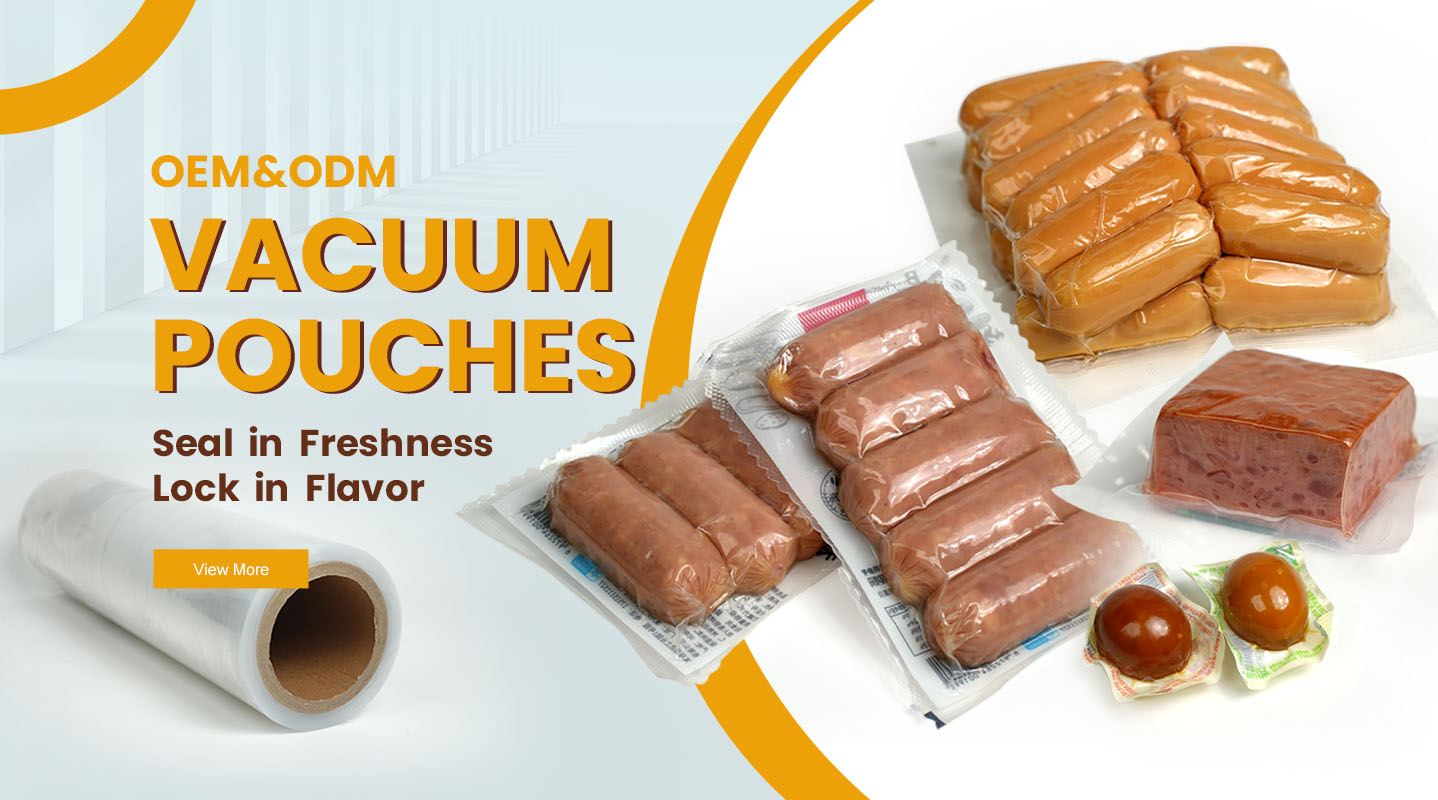
ThermoForming Film is a flexible, heat-formable packaging material used to create custom “pockets” or “trays” directly on an automatic packaging line. In food packaging, it works as a bottom web that is heated until pliable, shaped over a mold, then filled with product and sealed with a top web to form a tight, protective pack. The result is a clean, consistent package geometry that supports high-speed production while protecting food quality through strong sealing and barrier performance.
A thermoforming line typically runs in a continuous cycle:
First, the bottom film unwinds and enters a heating zone where temperature is controlled to soften the film without damaging its structure. Next, the softened film is formed into cavities using vacuum, pressure, or plug-assist forming, depending on the depth and sharpness of the package shape required. After forming, the cavity moves to a filling station where the product is loaded. Air is then removed by vacuum, or the pack can be flushed with a protective gas mix for modified atmosphere packaging when needed. Finally, the top film is sealed onto the formed bottom web using heat and pressure, creating a reliable closure that can be designed for peelable opening or stronger permanent sealing based on your product needs.
This method is popular in foods where portion control, presentation, and shelf-life stability matter, because the forming depth and pack shape are repeatable across long production runs.
Thermoforming film is engineered to do more than just “cover” food. A well-designed structure balances:
Oxygen barrier to slow oxidation, discoloration, and flavor changes
Moisture barrier to reduce dehydration and manage purge in protein packs
Puncture resistance to reduce leak risks from sharp edges or dense products
Seal reliability to prevent micro-leaks that shorten shelf life
Formability to avoid thinning, corner splits, and weak points in deep draws
Because these properties are built into the film design, thermoforming packaging supports stable output on automated lines, which is critical when you care about both product quality and production efficiency.
Most food thermoforming films use co-extruded multilayer structures, where each layer plays a dedicated role. A common concept is to combine a tough forming layer with a barrier layer and a sealant layer, so the package performs well after forming and sealing.
| Layer role | What it does on the line | What it does for the food |
|---|---|---|
| Forming layer | Supports stretch and cavity shape | Helps resist puncture and handling damage |
| Barrier layer | Keeps performance stable after forming | Reduces oxygen transmission and aroma loss |
| Sealant layer | Delivers consistent sealing window | Prevents leaks and supports peel control |
| Optional print or surface layer | Improves appearance and handling | Supports branding and scuff resistance |
When the structure is engineered correctly, you get a cavity that forms cleanly, seals reliably, and maintains barrier performance where it matters most: after stretch and draw.
To choose correctly, it helps to start from the product behavior, then match film performance:
For fresh and processed proteins, priorities often include seal security, puncture resistance, and purge control. For cheese and deli items, you may care more about oxygen barrier and aroma retention while maintaining clear appearance. For frozen foods, the film must tolerate low temperatures and handling impacts without cracking, while still sealing consistently on automated equipment.
Also consider your pack design. Deeper cavities and sharper corners demand better formability and controlled thickness distribution, so the bottom web does not thin excessively at the corners. If you need easy-open packs, the sealing layer can be tuned for peelable performance without sacrificing leak resistance.
A manufacturer-focused trial plan usually includes:
Forming stability across your targeted draw depth and cycle speed
Seal strength consistency across temperature variation on the line
Leak resistance verification under handling and cold-chain conditions
Puncture testing for products with bones, shells, or dense edges
Shelf-life validation aligned with your distribution and display time
These checks prevent the most common failures: corner thinning, weak seals, pinholes, and inconsistent peel behavior.
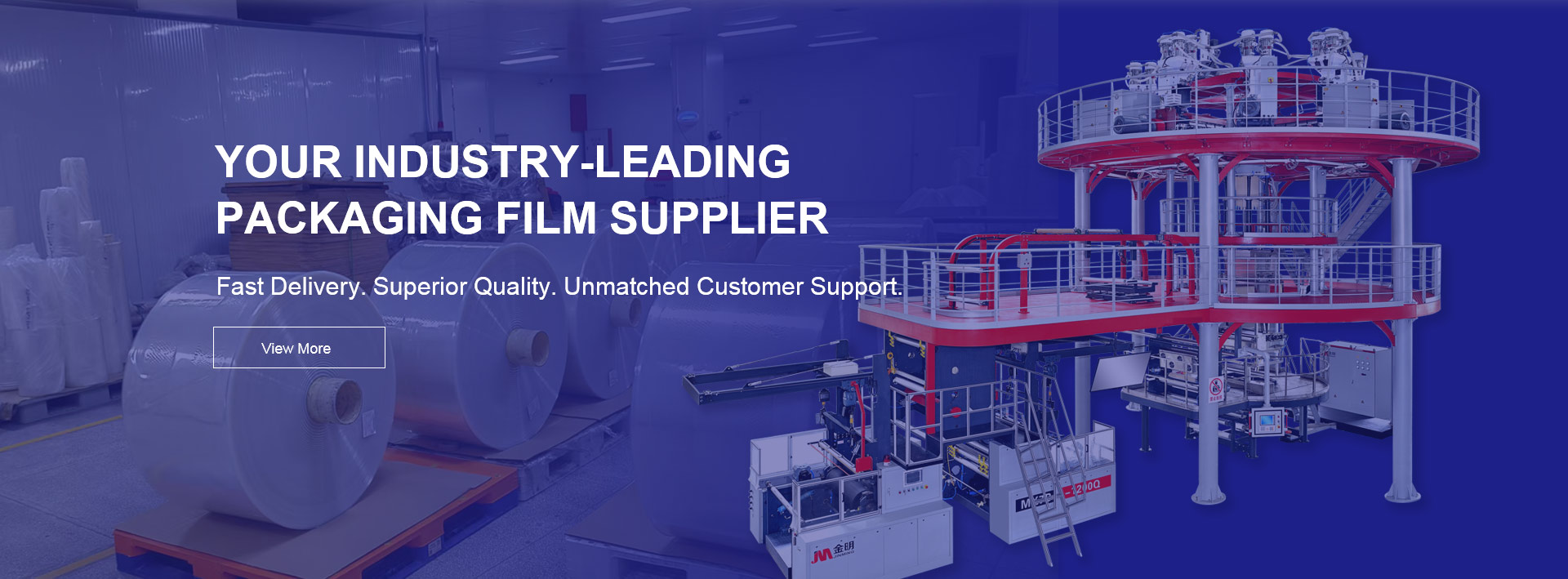
When thermoforming film is running on an automated line, consistency is not optional. JINBORUN focuses on stable co-extrusion capability, tight process control, and packaging-film specialization across food applications, helping you maintain repeatable forming and sealing behavior from batch to batch. Beyond supplying standard structures, JINBORUN supports customized film designs to match forming depth, barrier targets, seal style, and surface requirements, which is especially important for OEM/ODM projects where your pack format and performance spec must be protected and repeatable.
If you want thermoforming film that is designed around real production conditions, working with a dedicated manufacturer like JINBORUN reduces the risk of line instability and packaging defects that can quietly increase waste and shorten shelf life.
Thermoforming film works by turning a flat bottom web into a formed cavity through controlled heating and forming, then sealing it with a top film to create a protective, production-friendly package. The real value comes from film engineering: multilayer structures that balance formability, barrier protection, puncture resistance, and seal reliability. If your goal is stable automated packaging with dependable product protection, selecting the right thermoforming film structure and partnering with a specialized manufacturer like JINBORUN can make your packaging performance far more predictable.