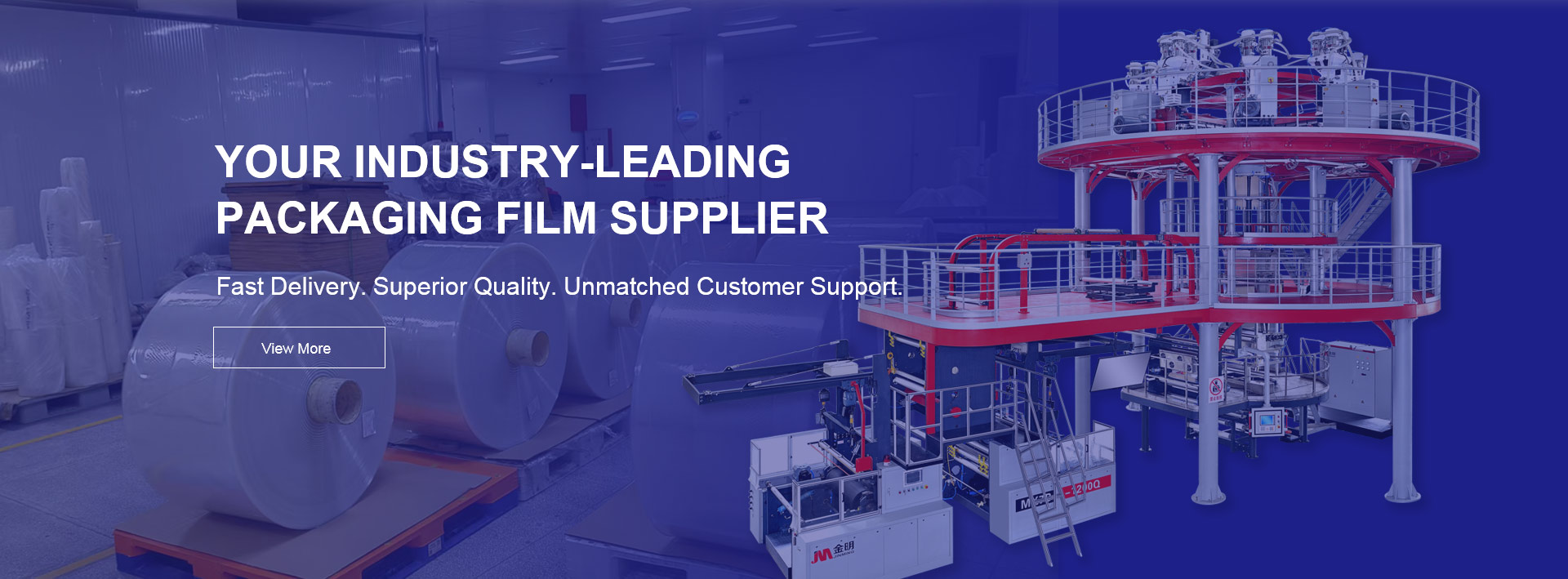
Multilayer co-extrusion film is a single film structure made by melting and extruding multiple polymer layers at the same time, then combining them in one continuous process. Instead of relying on adhesive lamination, co-extrusion builds performance into the film itself: one layer may focus on sealing, another on toughness, and another on barrier protection. The result is a practical way to balance product protection, machinability, and cost control in modern packaging production lines.
For manufacturers and project teams, the key value is predictability. When layers are engineered as one structure, the film behaves more consistently during forming, sealing, vacuuming, or high-speed packing. That consistency reduces rework, limits leakage risks, and helps you standardize packaging performance across different SKUs.
Think of multilayer film as a stack of jobs, not a single material. Each layer is selected for a specific role, then combined so the final film can do several tasks at once: resist puncture, slow down oxygen transfer, seal cleanly, and stay stable on packaging machines.
A common structure uses materials such as PA, EVOH, PE, and PP, arranged to deliver a stable seal layer, a strong structural layer, and a barrier layer. The exact layer count and ratios depend on what you are packaging, how you fill it, and how you store or ship it.
| Layer | What it contributes | Why it matters in production |
|---|---|---|
| Seal layer | Heat seal stability and seal strength | Reduces seal failure and leakage during packing and transport |
| Barrier layer | Oxygen and moisture resistance | Supports longer shelf life and more stable quality |
| Structural layer | Strength, stiffness, puncture resistance | Helps prevent damage from sharp edges and compression loads |
| Tie layer | Layer bonding and compatibility | Improves integrity so the structure acts as one film |
| Outer layer | Printability and scuff resistance | Keeps branding stable and reduces surface wear |
This layer-by-layer approach is also what makes customization realistic. You can adjust the structure to match your sealing temperature window, forming depth, thickness target, and barrier requirement, without changing the entire packaging concept.
Single-layer film can be easy to source, but it often forces compromise. If you choose a material for sealing, you may lose barrier. If you choose for toughness, you may lose clarity or processability. Multilayer co-extrusion solves that by letting each layer specialize.
Compared with laminated film, co-extrusion can simplify the structure by building layers in one step, which often improves uniformity and reduces the risk of bonding defects. In many packaging programs, this means tighter quality control on roll-to-roll consistency and more stable performance in vacuum packaging or thermoforming workflows.
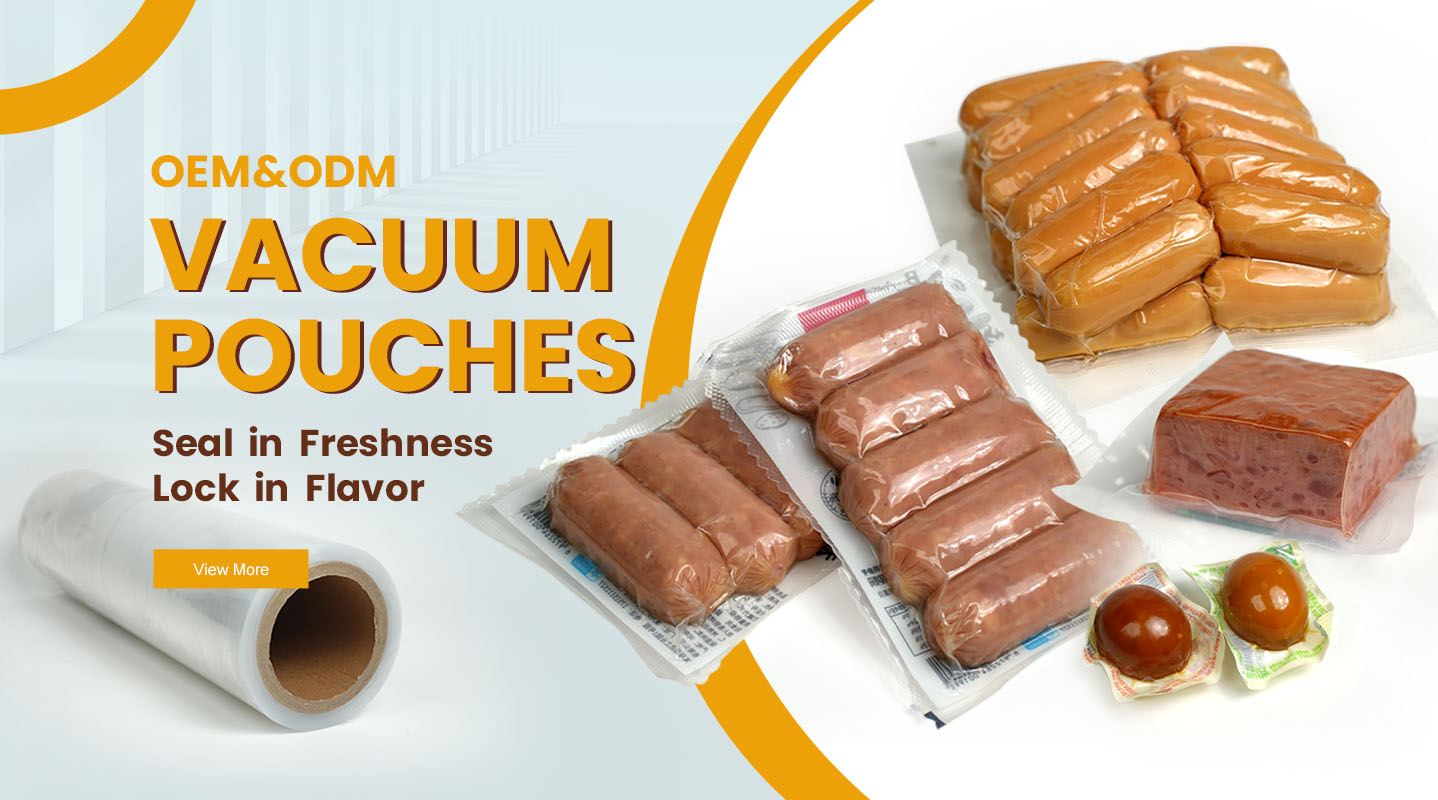
Multilayer co-extrusion film is widely used in food-grade packaging formats that need both protection and efficient processing, such as Forming Films, barrier films, Vacuum Pouches, and Printing And Laminated Film options when branding and handling performance are both required.
It is especially useful when your packaging must handle one or more of these realities:
High moisture or oxygen sensitivity
Vacuum packaging stress and tight seals
Sharp contents that challenge puncture resistance
Fast packing lines where sealing stability is non-negotiable
Cold-chain storage or temperature swings that expose weak seals
To avoid trial-and-error sampling, align on a clear specification set before mass production:
Film structure goal: high barrier, medium barrier, or balanced performance
Thickness range and tolerance expectations
Forming method: thermoforming, vacuum packing, or pouch making
Seal conditions: target temperature window, dwell time, and pressure range
Barrier target: oxygen and moisture protection level needed for your product life cycle
Surface needs: transparency, print readiness, or abrasion resistance requirements
Packaging format: roll film, forming film, or finished vacuum pouch
If your project involves multiple product sizes or regional standards, it helps to design a modular spec that can be scaled for bulk order planning while keeping the same sealing logic.
JINBORUN focuses on functional co-extrusion films designed for demanding packaging applications, covering categories such as Food Packaging Film, forming film, vacuum pouch, and printing solutions. With dedicated production capability and an engineering mindset, JINBORUN supports customized structures that match real packing conditions, not just lab data.
What you gain when working with JINBORUN:
Customizable multilayer structures tailored to your packaging method and product sensitivity
Stable quality control aimed at roll consistency, sealing reliability, and forming performance
Flexible development support for OEM/ODM programs, including structure matching and sampling iteration
Product coverage that supports both roll film and pouch formats, reducing multi-supplier coordination
If you are evaluating multilayer co-extrusion film, start by defining the packaging process first, then the barrier and strength targets, and only then lock the structure. That order prevents overdesign and helps you reach stable mass production faster.
When you share your packaging format, filling method, and storage conditions, JINBORUN can recommend a structure direction, thickness range, and finishing option that fits your line behavior and product protection goals.