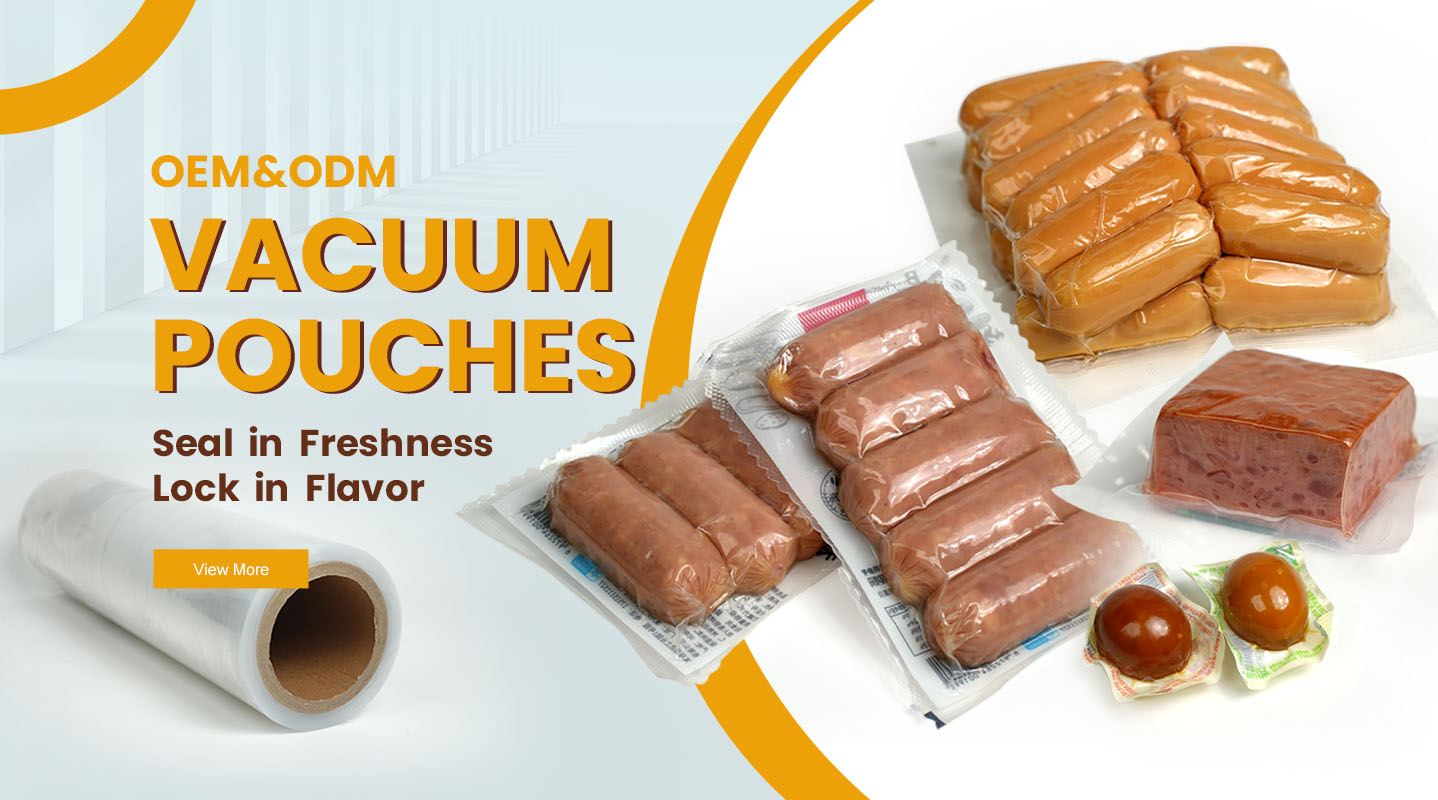
vacuum packaging removes most of the oxygen around a product and then seals it inside a barrier film. By lowering residual oxygen and isolating the product from moisture, odors, and airborne contaminants, the biochemical and microbial changes that cause spoilage slow down dramatically. When paired with correct temperature control and sanitation, vacuum packaging can multiply shelf life, preserve sensory quality, and reduce waste across food, nutraceutical, and industrial categories.
Aerobic microorganisms need oxygen to grow. Pulling a vacuum suppresses these organisms and delays the onset of slime, off-odors, and discoloration. At the same time, oxidative reactions in fats, pigments, and vitamins are curtailed, preserving color in red meats, aroma in roasted products, and nutrients in sensitive items.
High-barrier films minimize water vapor exchange between the product and the environment. This stabilizes weight and texture in fresh proteins, cheeses, and baked goods, while preventing sublimation and surface desiccation in frozen products.
Sealed packs retain desirable volatiles and block external odors. In shared cold rooms and retail environments, vacuum packages act as primary containment, reducing risk of cross-contamination and keeping flavors clean.
Vacuum draws the film snug to the product, restricting movement that leads to abrasion or breakage. vacuum skin packaging (VSP) and shaped trays add rigidity for delicate items without compromising barrier performance.
Lower oxygen and moisture exchange amplify the benefits of chilling or freezing. Microbial lag phases lengthen, enzymatic activity slows, and temperature fluctuations have less impact on surface quality.
Residual oxygen is the O₂ remaining in the headspace after sealing. Efficient vacuum equipment and high-barrier films routinely deliver low residuals that meaningfully delay aerobic growth.
OTR (Oxygen Transmission Rate) indicates how much oxygen permeates through film over time. High-barrier structures (such as PA/PE with EVOH) present very low OTR, helping maintain a low-oxygen internal atmosphere for longer.
WVTR (Water Vapor Transmission Rate) measures moisture ingress/egress. A low WVTR keeps textures stable and limits freezer burn.
Seal integrity is non-negotiable: micro-leaks quickly erase any gain from low OTR/WVTR.
The figures below are broad, illustrative ranges under good hygiene and temperature control. Actual results depend on product quality, processing sanitation, film selection, seal integrity, and storage temperature.
| Product (0–4 °C unless noted) | Typical in air | Vacuum packaged | Notes |
|---|---|---|---|
| Fresh beef (primal cuts) | 3–5 days | 2–6 weeks | Color may bloom after opening; choose high OTR control to manage pigment. |
| Fresh pork | 3–4 days | 1–4 weeks | Stable color and drip reduction with high-barrier films. |
| Cooked deli meats | 5–7 days | 2–4 weeks | Strongly benefits from low O₂ and aroma retention. |
| Hard/semi-hard cheese | 1–2 weeks | 4–12 weeks | Vacuum slows mold and moisture loss. |
| Roasted coffee beans (ambient) | 2–4 weeks | 2–6 months | Degassing valves often used; vacuum preserves aroma. |
| Frozen fish (−18 °C) | 1–2 months | 3–9 months | Vacuum mitigates freezer burn and oxidation. |
| Baked goods (ambient) | 2–4 days | 1–2 weeks | Texture retention improves with low WVTR films. |
Barrier selection
For oxidative-sensitive foods, use high-barrier films with very low OTR to stabilize color and flavor.
For moisture-sensitive products, prioritize low WVTR to prevent drying or sogginess.
Structure and thickness
Common structures include PA/PE, PET/PE, and EVOH-enhanced co-extrusions that balance toughness, formability, clarity, and barrier.
Down-gauged films reduce material use while maintaining performance when co-extrusion and resin selection are optimized.
Format
Pillow pouch for efficient line speeds and compact distribution.
Vacuum skin pack (VSP) for premium presentation and product immobilization.
Vacuum tray with lidding for delicate items needing shape support.
Seal design
Wide, consistent seals reduce pinholes and peel failures.
Validate with burst tests, dye-penetration, and retention checks across the cold chain.
Sanitation and low initial bioload: Vacuum is not a substitute for GMP. Start with clean, cold product to realize meaningful extensions.
Residual oxygen verification: Periodically measure headspace oxygen to confirm equipment performance.
Temperature discipline: Keep products cold before, during, and after packing to limit enzymatic activity and pathogen risk.
Seal inspection: Routine destructive and non-destructive testing prevents silent shelf-life losses.
Compatibility checks: Ensure films, trays, and product surfaces seal consistently at operating line speeds.
Sensory preservation: Slower oxidation maintains natural color, aroma, and flavor.
Yield protection: Reduced drip loss and moisture retention improve saleable weight.
Distribution flexibility: Longer code dates enable fewer changeovers, fuller trucks, and wider shipping radii.
Waste reduction: Fewer out-of-date or quality-rejected packs lowers total product losses.
Right-sizing materials: Co-extruded films achieve barrier with less material than laminations.
Mono-material options: PE-based, recycle-ready films can be used where collection and recycling streams support them.
Shelf-life vs. footprint: Extending shelf life often offsets packaging footprint by preventing product waste.
Baseline current shelf life under existing pack and temperature.
Pilot with two or three barrier levels to quantify gains.
Measure residual oxygen, OTR/WVTR, seal strength, and leak rates.
Sensory panel at defined intervals for color, aroma, texture.
Scale to production with in-line monitoring and periodic verification.
Does vacuum packaging eliminate all microbes? No. It primarily suppresses aerobic organisms and slows oxidation. It must be used with proper sanitation and temperature control to manage safety and quality.
Can products be vacuum-packed at ambient temperature? Chill compatible foods before packing. Cold product preserves texture, controls purge, and maximizes shelf-life benefits.
What if my product is fragile? Use vacuum skin packaging or tray-based formats to support the product and prevent compression damage.
How do I choose the right film? Match barrier to spoilage drivers. For oxidation-prone products, prioritize low OTR; for texture-sensitive items, prioritize low WVTR and puncture resistance.
Is vacuum better than modified atmosphere (MAP)? They serve different needs. Vacuum is simple and effective for many items; MAP can fine-tune residual gases for specific products. Some operations use both depending on SKU.
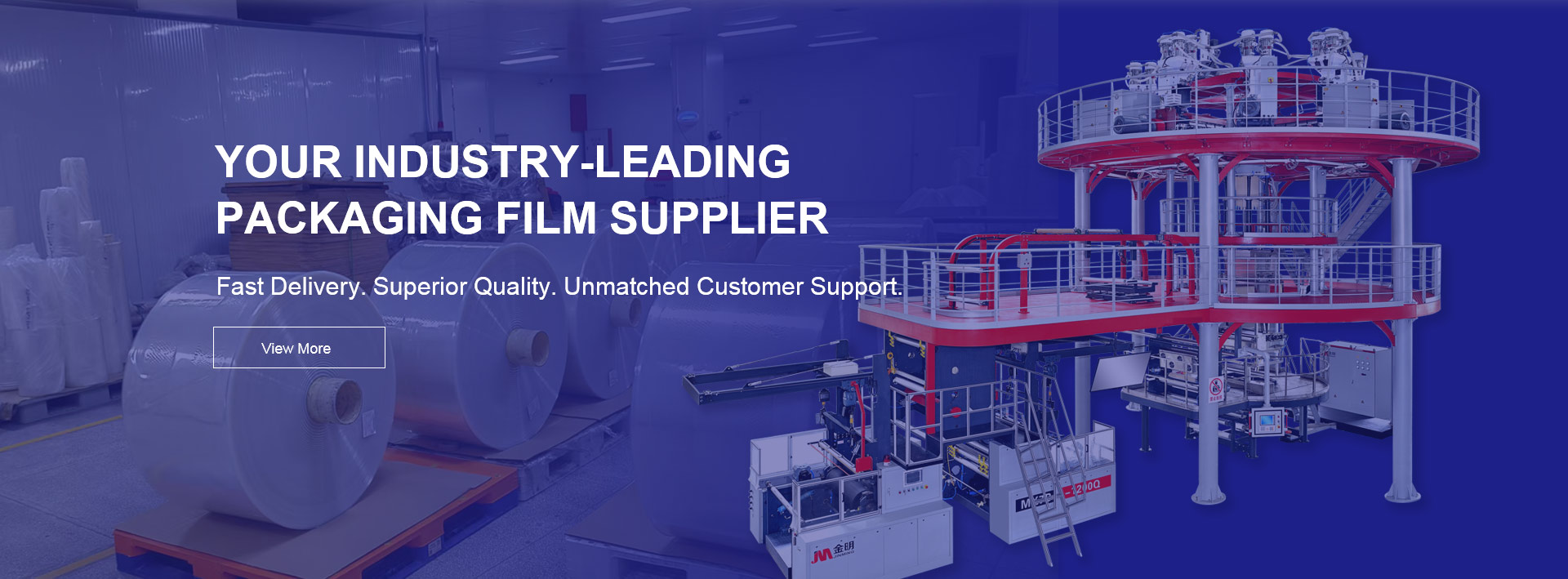
If you’re exploring high-barrier co-extruded films and tailored packaging solutions, consider JINBORUN. They offer material options engineered for low oxygen and water-vapor transmission, along with format guidance for pillow pouches, trays, and vacuum skin packs to match your line speeds and shelf-life targets.
Define target shelf life and cold-chain conditions.
Audit sanitation, product temperature, and handling.
Select barrier film by OTR/WVTR and mechanical needs.
Validate seal strength and integrity at production speeds.
Monitor residual oxygen and sensory quality through code life.
Review results quarterly and optimize material gauges or formats.
By controlling oxygen, moisture, and headspace, vacuum packaging provides a practical, scalable path to longer shelf life and more consistent quality—while supporting better logistics and less waste.