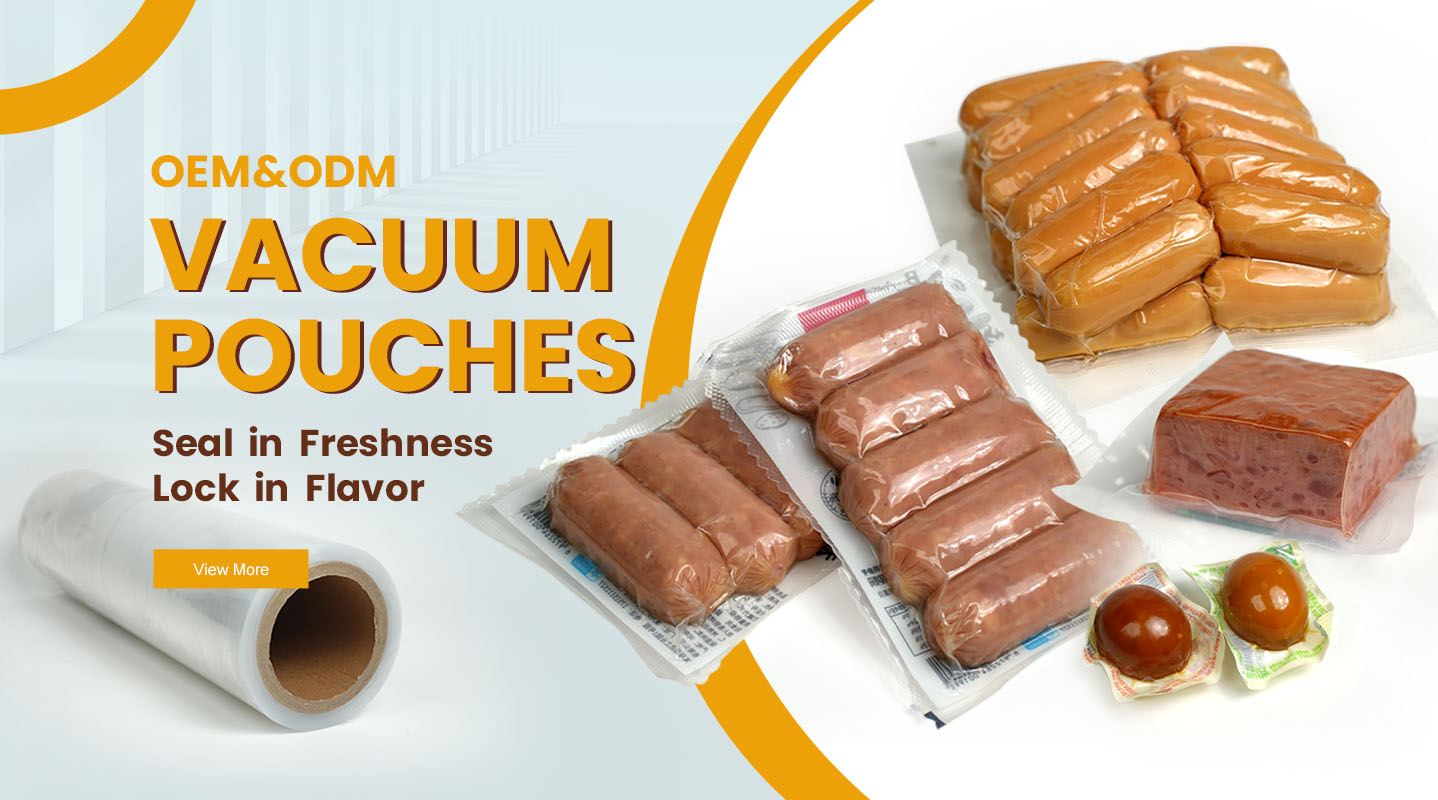
Proper food storage plays a crucial role in maintaining freshness, taste, and nutritional value. Vacuum Pouches are one of the most efficient and widely used packaging solutions in both household and industrial settings. Selecting the right pouch type can significantly impact food preservation performance and cost-effectiveness.
Vacuum pouches are typically made from multi-layer co-extruded films that combine strength, flexibility, and barrier protection. The most common structures include:
| Material Type | Main Composition | Key Characteristics |
|---|---|---|
| PA/PE | Polyamide + Polyethylene | Excellent puncture resistance and sealing reliability |
| PET/PE | Polyester + Polyethylene | High transparency and good moisture resistance |
| PA/CPP | Polyamide + Cast Polypropylene | Enhanced heat resistance and sealing strength |
| EVOH Co-extruded Film | Ethylene Vinyl Alcohol Barrier | Superior oxygen barrier for long-term storage |
When choosing, consider oxygen permeability, sealing temperature range, and mechanical strength—these determine how well your product resists spoilage and retains flavor.
The thickness of a vacuum pouch generally ranges from 60 to 200 microns, depending on the product type.
Thin pouches (60–90 µm) are suitable for dry foods, coffee beans, or light frozen items.
Medium thickness (100–130 µm) fits for sausages, marinated meat, and semi-liquid items.
Heavy-duty pouches (150 µm and above) are ideal for bone-in meat, seafood, or products requiring long-term freezing.
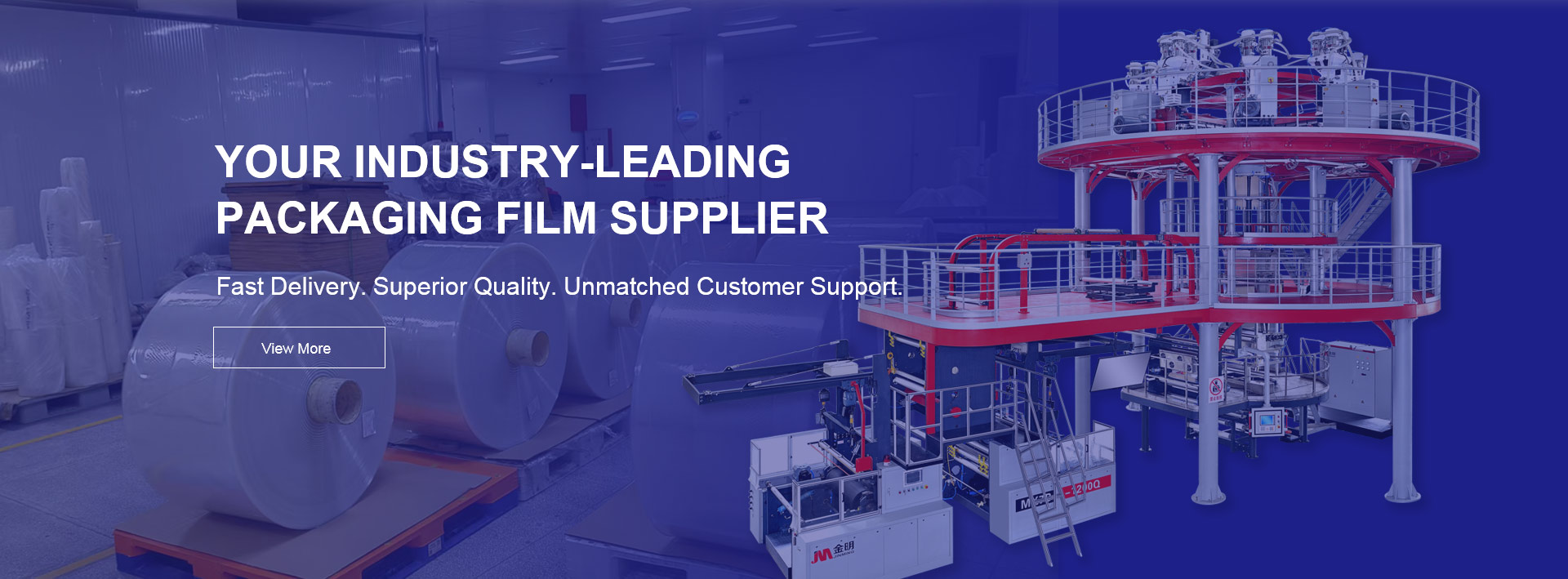
A high-quality manufacturer like JINBORUN ensures consistent film thickness and uses advanced co-extrusion technology to prevent pinholes or leaks during vacuum sealing.
Barrier properties are essential for extending shelf life. A good vacuum pouch minimizes the transfer of oxygen, moisture, and aroma.
Oxygen Transmission Rate (OTR) under 20 cm³/m²·24h helps delay oxidation and discoloration.
Water Vapor Transmission Rate (WVTR) below 5 g/m²·24h maintains moisture balance. If your products are sensitive to oxygen, opt for pouches with EVOH or aluminum foil layers for maximum protection.
Not all vacuum bags are compatible with every vacuum machine.
Embossed or channel pouches are used in external suction machines.
Smooth pouches are designed for chamber vacuum sealers. Always check sealing temperature—most PA/PE films seal effectively between 120–160 °C. Ensuring proper heat sealing eliminates leakage and contamination risks.
For retail and display packaging, visual appeal is just as important as preservation. Clear high-gloss pouches enhance product visibility, while matte or colored films offer a premium appearance. Many producers also customize printing up to 10 colors using food-grade ink, enabling branding and batch tracking.
Modern packaging needs go beyond basic sealing. The market offers several specialized pouch options:
Boilable pouches for ready-to-eat meals (resistant up to 121 °C)
Freezer-grade pouches that stay flexible at −40 °C
Zip-lock vacuum pouches for multiple uses in domestic applications
Anti-fog films for refrigerated display packaging
Selecting the right variant ensures both practicality and product safety across distribution chains.
Sustainability has become a vital factor in packaging decisions. Advanced vacuum pouches made from recyclable PE mono-materials or bio-based films are gaining popularity. Choosing environmentally responsible suppliers demonstrates a brand’s commitment to reducing plastic waste and carbon emissions.
Partnering with a trusted supplier guarantees performance consistency and regulatory compliance. JINBORUN specializes in co-extruded vacuum pouches, shrink bags, and Food Packaging Films that meet international standards like FDA, EU, and SGS. Their production technology ensures high clarity, strong seal integrity, and customizable options to match diverse food categories—from seafood and meat to dairy and processed snacks.
Selecting the best vacuum pouch depends on product type, shelf life requirement, sealing method, and branding needs. A balance between barrier strength, visual quality, and sustainability ensures your packaging performs efficiently in real storage environments. Working with a professional packaging manufacturer such as JINBORUN allows businesses to benefit from technical expertise, tailored specifications, and consistent supply for long-term success in the food packaging industry.