Food Packaging Film is a critical component in the modern food supply chain. It protects products from contamination, preserves freshness, extends shelf life, and supports product visibility and branding. Understanding what food packaging film is made of helps food manufacturers, retailers, and consumers make informed choices about packaging performance and safety.
Food packaging films are primarily made from plastic polymers, engineered to provide specific properties such as strength, clarity, barrier protection, and sealability.
| Material | Characteristics | Typical Uses |
|---|---|---|
| Polyethylene (PE) | Flexible, moisture-resistant, heat sealable | Bread bags, produce packaging, flexible food films |
| Polypropylene (PP) | High clarity, chemical resistance, heat tolerance | Snack packaging, microwavable films |
| Polyethylene Terephthalate (PET) | Strong, thermal stability, gas barrier | High-barrier film layers, film trays |
| Copolymer Blends | Combined properties for customized performance | Multilayer films with balanced flexibility and barrier strength |
Polyethylene (PE) films include low-density (LDPE) and high-density (HDPE) variants. LDPE is soft and flexible with excellent sealability. HDPE is stronger and resistant to punctures.
Polypropylene (PP) films often appear as cast (CPP) or biaxially oriented (BOPP). These films offer clarity and resistance to heat and chemicals.
Polyethylene Terephthalate (PET) films provide higher strength and barrier properties, making them suitable for products where oxygen and moisture control are important.
Food packaging films are usually multi-layered structures created through co-extrusion or lamination. Each layer brings a specific performance benefit such as:
Barrier layers to reduce oxygen and moisture transmission
Sealant layers for reliable heat sealing
Structural layers to enhance strength and puncture resistance
Print or outer layers for branding or functional coatings
These layers are carefully combined to meet the demands of various food products, from fresh produce and meat to processed and frozen foods.
Different film formulations are chosen based on the food product and packaging method:
Flexible films wrap around products and are used in roll stock or bag formats. They often rely on PE and PP materials for flexibility and ease of sealing.
Barrier films are engineered with specialized polymers and coatings that significantly reduce oxygen, moisture, and aroma transmission, extending shelf life for sensitive products.
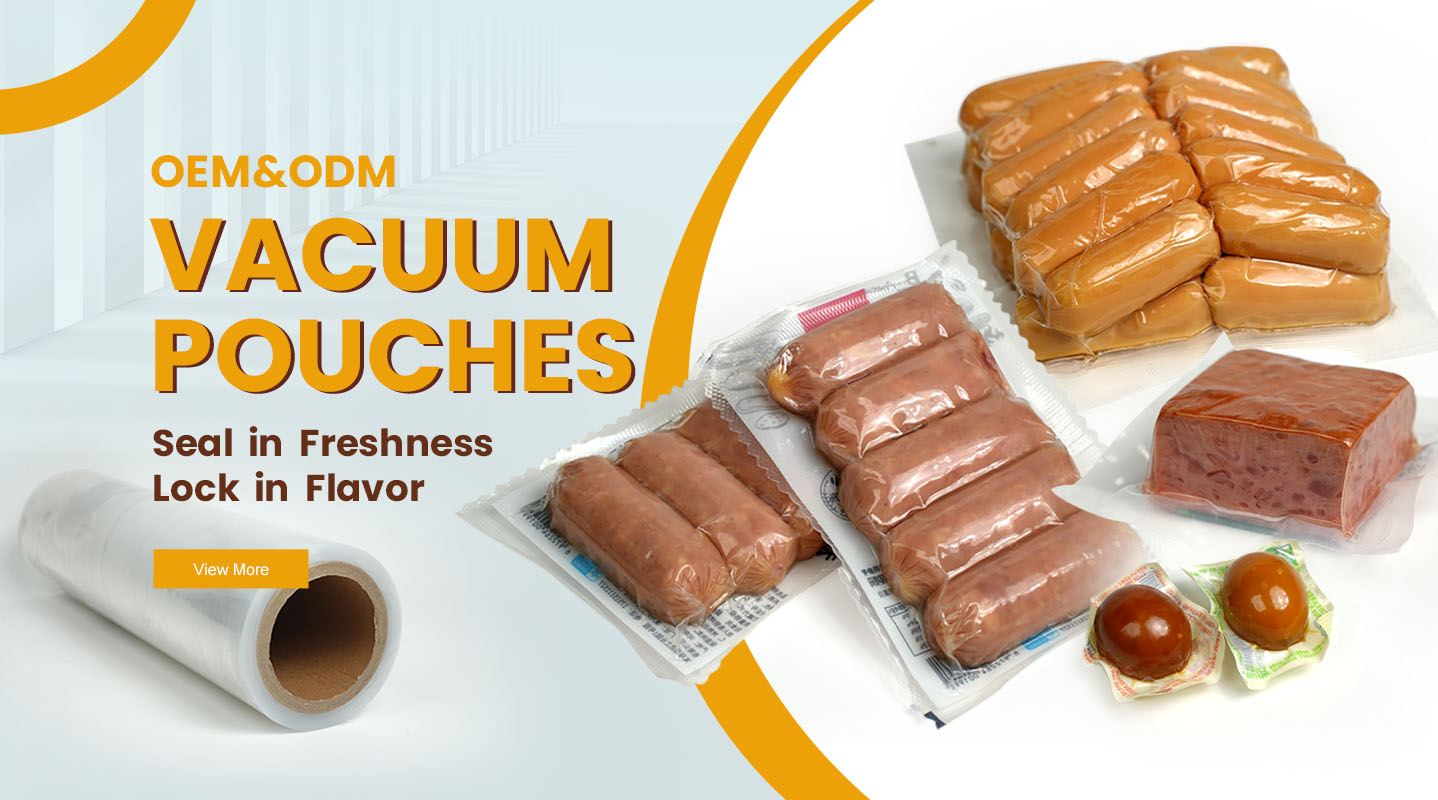
For vacuum packaging and form-fit trays, multiple layers provide strength and thermal stability during shaping and sealing processes.
Food packaging films must be safe for food contact. They are manufactured to comply with regulatory standards that restrict migration of harmful substances into food. Materials such as PE, PP, and PET are widely accepted in food contact applications when processed according to safety guidelines.
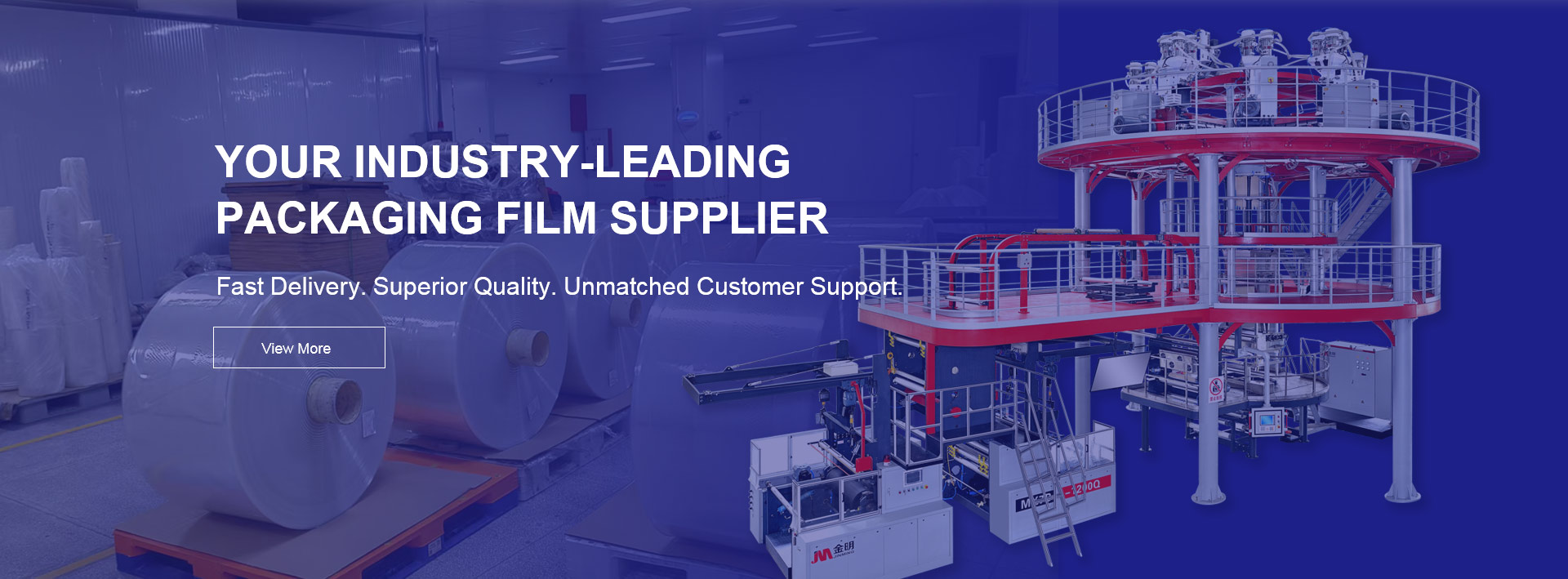
When sourcing food packaging film, choosing a reliable manufacturer with expertise in multilayer co-extrusion and food safe materials ensures high performance across applications.
One such supplier is JINBORUN New Material Technology Company Limited, a packaging film manufacturer based in Guangdong, China. JINBORUN specializes in co-extruded barrier food films, vacuum bags, and customized packaging solutions. Their product range includes food packaging films for seafood, meat, frozen products, and egg products. Custom OEM and ODM options are available to meet specialized packaging requirements.
Food packaging film is made from engineered polymer materials, primarily plastics such as polyethylene, polypropylene, and polyester. Designed as multilayer structures, these films deliver protection, flexibility, barrier performance, and safety suitable for various food categories. Selecting the right material and manufacturer can significantly impact product preservation and consumer satisfaction.