Food product freshness is one of the most critical factors in customer satisfaction and brand reputation. Packaging plays a central role in preserving that freshness by controlling the internal atmosphere of the package. Among the physical attributes of packaging materials, oxygen and moisture barrier properties are paramount in determining how long food maintains its quality, safety, and sensory attributes during storage and transit.
Barrier properties refer to the ability of a packaging material to resist the passage of gases, water vapor, and other external elements from entering or leaving the package. Two key measures used by material scientists and packaging engineers are:
| Metric | Definition |
|---|---|
| Oxygen Transmission Rate (OTR) | The rate at which oxygen permeates through the packaging material. Lower values indicate better resistance to oxygen ingress. |
| Moisture Vapor Transmission Rate (MVTR) | Also known as Water Vapor Transmission Rate (WVTR), this measures how much water vapor passes through a material over time. Lower values mean stronger moisture resistance. |
Controlling oxygen and moisture exposure helps maintain the internal stability of packaged food. Excess oxygen and humidity can accelerate deterioration processes such as oxidation, microbial growth, enzymatic reactions, and texture loss.
Oxygen is one of the primary contributors to food spoilage. When oxygen penetrates packaging, it can trigger several unwanted processes:
Oxidation of fats and oils, leading to rancidity and off-flavors in products like nuts, cooked meats, and oils.
Colour changes and nutrient degradation due to chemical reactions that alter pigments and vitamins.
Growth of aerobic microorganisms, which require oxygen to thrive and can rapidly decrease food safety.
Materials with low OTR, such as films incorporating ethylene vinyl alcohol (EVOH), nylon, or multilayer composites, significantly slow down oxygen ingress. This extends shelf life by preserving sensory attributes and safety during distribution and storage.
Moisture management is equally crucial, especially for products sensitive to humidity or dryness:
High humidity within packaging can promote microbial growth and texture softening in dry foods.
Excessive moisture loss causes weight loss, hardness, or staleness in products like baked goods and fruits.
Good moisture barrier packaging ensures that moisture levels inside the package remain stable, helping the product maintain its original texture, taste, and nutritional characteristics. Materials like polypropylene (PP), polyethylene (PE), and specialized multilayer films are often used to achieve low MVTR.
When both oxygen and moisture are effectively controlled, food products exhibit:
Longer shelf life, enabling extended distribution and storage without quality loss.
Reduced food waste, because products do not spoil prematurely.
Consistent consumer experience, with preserved flavor, color, and texture throughout the product’s marketed life.
Different food categories have varying barrier requirements. For instance, snacks and cereals prioritize moisture resistance to maintain crispness, whereas fresh meats and dairy require strong oxygen barriers to limit spoilage reactions. Packaging engineers often design multilayer structures tailored to these needs, balancing cost with protection.
Selecting packaging materials with appropriate barrier properties involves understanding the nature of the food product and its vulnerability to external factors. Manufacturer expertise and material science innovations make it possible to optimize barrier characteristics for specific applications.
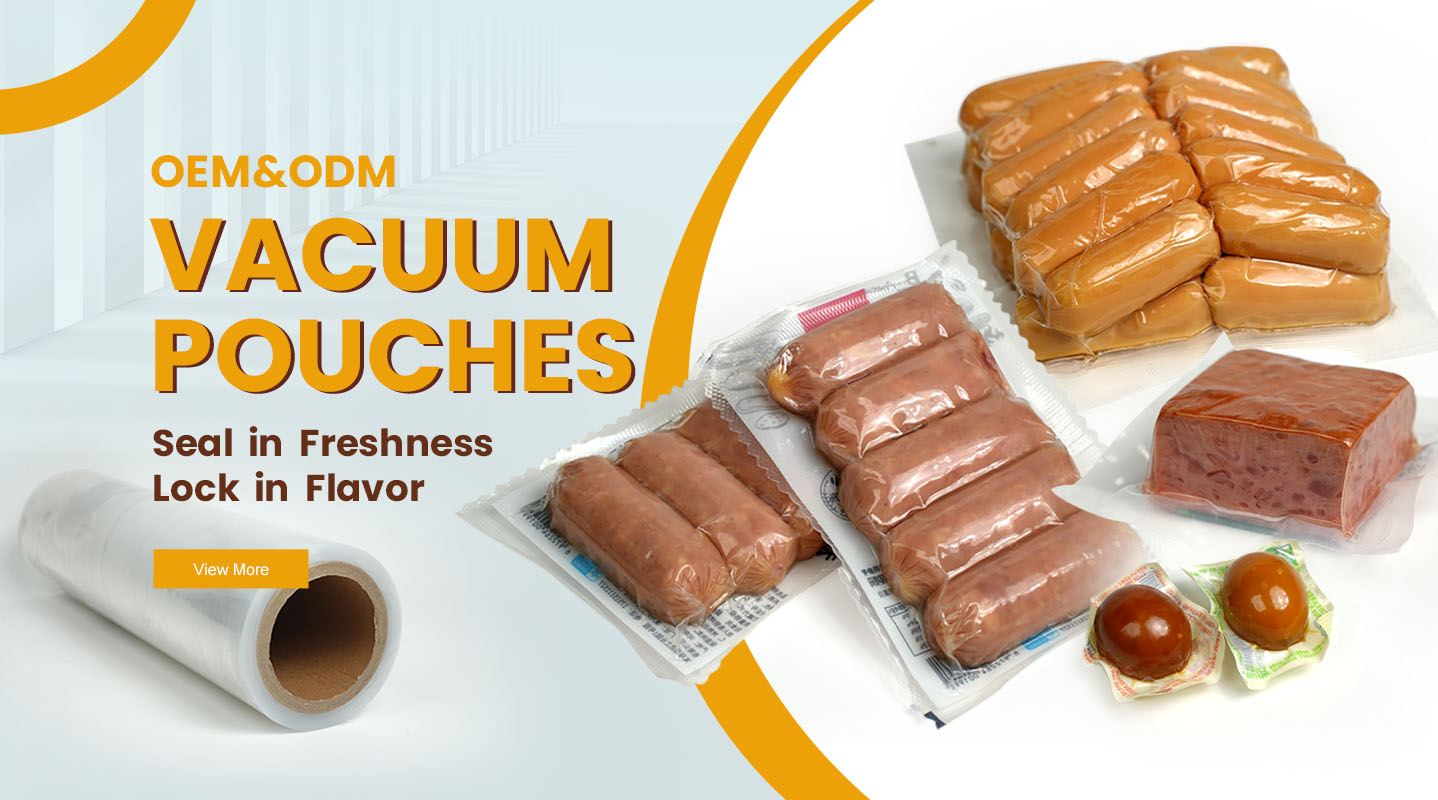
For companies seeking high-performance barrier films, JINBORUN offers a range of advanced food packaging solutions. Their products include multi-layer barrier films designed to block oxygen and moisture effectively, preserving freshness and extending shelf life across product categories such as frozen meats, seafood, egg products, and more.
Barrier properties against oxygen and moisture are fundamental to food packaging performance. Strong barriers control the internal package environment, slow degradation mechanisms, and significantly extend freshness and usability. Selecting the right materials and structures ensures food remains safe, tasty, and visually appealing from production to consumer use.
By understanding and applying these principles, food brands and packaging suppliers can enhance product quality, reduce spoilage, and build lasting trust with customers.