In modern flexible packaging, co-extrusion bags and laminated composite bags are two of the most widely used options for protecting products during storage and transportation. While both bag types achieve multilayer performance and barrier properties, they differ fundamentally in their manufacturing methods, material structure, mechanical behavior, performance, cost, and common applications. Understanding these differences helps manufacturers and brand owners choose the right packaging solution for specific product requirements.
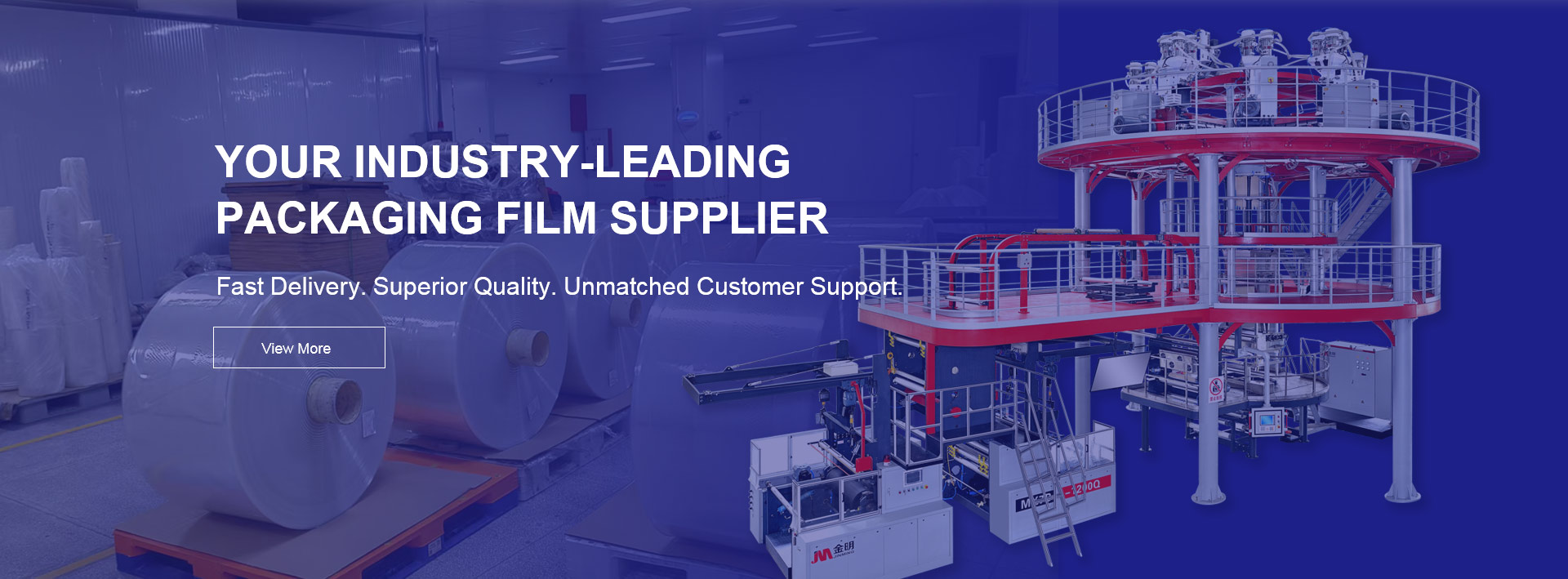
Co-extrusion bags are produced by simultaneously extruding two or more layers of plastics through a single die. This process creates a unified multilayer film in one step without the need for adhesives or additional lamination processes. Each layer can be tailored from different resins to provide desired properties such as strength, barrier protection, flexibility, and sealability.
Key Characteristics of Co-Extrusion Bags
Single Production Step The multilayer structure is formed in one continuous extrusion process, bonding all layers thermally.
No Adhesives Required Heat fusion binds the layers directly, reducing potential contamination and improving hygienic safety for food packaging.
Material Uniformity All layers are plastic polymers, which helps maintain consistent mechanical performance across the film.
Design Flexibility Multiple resin types and thicknesses can be combined to achieve high barrier performance and mechanical strength.
Laminated composite bags are assembled by bonding pre-formed layers of different materials together, often including plastics, metal foils, or paper. Adhesives or extrusion lamination techniques are used to join these layers into a coherent structure with enhanced performance characteristics.
Key Characteristics of Laminated Composite Bags
Layer Bonding Process Each layer is typically produced separately, then joined using an adhesive or a molten polymer layer applied between layers (extrusion lamination).
Diverse Material Combination Materials such as aluminum foil or paper can be included for specific barrier functions like moisture or light resistance.
Tailored Functional Zones Different layers can serve specific purposes: a printing surface, mechanical strength layer, barrier layer, and sealing layer.
Wider Material Options Laminated structures allow combinations that might be impractical or impossible with co-extrusion alone.
| Feature | Co-Extrusion Bags | Laminated Composite Bags |
|---|---|---|
| Manufacturing Process | Multilayer film extruded together | Layers produced then bonded |
| Use of Adhesive | None, layers thermally bonded | Often requires adhesive/seal layer |
| Material Variety | Polymer layers only | Can include foil, paper, other substrates |
| Barrier Customization | High flexibility within plastic materials | Broader options with mixed substrates |
| Mechanical Behavior | Uniform performance, less risk of delamination | Dependent on quality of layer bonding |
| Typical Applications | food packaging, courier bags, freezer bags | High barrier packaging, printed pouches |
co-extrusion films combine the strengths of multiple plastic materials into a unified barrier film. For food products that require controlled oxygen and moisture protection, multilayer co-extrusion structures are widely used. Laminated bags can also achieve high barrier performance, especially when including foil or specialized barrier films, but the presence of adhesives introduces potential weak points under mechanical stress.
Co-extrusion bags generally exhibit consistent tensile strength due to the uniform fusion of layers during extrusion, reducing the risk of delamination. Laminated composite bags may be more susceptible to layer separation under stress if adhesion is compromised, though modern lamination technologies have significantly improved bonding reliability.
From a production standpoint, co-extrusion is efficient, especially for high-volume orders with consistent material requirements. Adjusting layer formulations during extrusion allows fine-tuning of bag properties without complex post-processing. Laminated composite bags require more process steps but enable a broader palette of materials and surface finishes to match specific branding or functional requirements.
Selecting between co-extrusion and laminated composite bags depends on packaging goals:
Choose co-extrusion bags when uniform material behavior, seamless layer integration, and consistent barrier performance are priorities.
Choose laminated composite bags when specialized barrier layers, unique material combinations, or enhanced surface aesthetics are desired.
Both solutions play vital roles in modern flexible packaging. For manufacturers and brands looking for customized bag solutions in these categories, JINBORUN offers a range of high-quality packaging options tailored to diverse industrial and consumer needs.
Co-extrusion and laminated composite bags both deliver multilayer functionality for demanding packaging environments. The main distinction lies in how the multilayer structure is achieved: co-extrusion fuses multiple polymers in a single step without adhesives, while laminated composite bags integrate pre-formed layers using bonding processes. Each type presents specific advantages, and the best choice depends on product requirements, performance expectations, and cost considerations. With a trusted supplier like JINBORUN, businesses can access comprehensive flexible packaging solutions that leverage the strengths of both technologies.