Ethylene vinyl alcohol copolymer (EVOH) has emerged as a key material in high-performance Food Packaging Films. Its unique combination of properties enables food producers and packaging manufacturers to greatly enhance product protection and shelf life while meeting evolving consumer and regulatory demands. EVOH is widely integrated into multilayer packaging systems, creating barrier films that deliver exceptional protection for perishable goods.
EVOH is a copolymer made from ethylene and vinyl alcohol. As a barrier polymer it is typically not used alone, but as a very thin central layer within a multilayer film structure alongside materials that control moisture and sealing performance. Its molecular structure gives it distinctive barrier effectiveness against gases.
Oxygen transmission is a primary factor in food spoilage, causing oxidation of flavors, degradation of nutrients and color changes. EVOH reduces oxygen permeability dramatically compared with many common polymers, which helps maintain sensory quality and food safety throughout the product’s shelf life.
Besides oxygen, EVOH also resists transmission of other gases like carbon dioxide and nitrogen. This characteristic helps maintain modified atmospheres inside packaging, which is important for vacuum packs and controlled-atmosphere packaging.
Unlike some other barrier materials, EVOH offers good clarity and gloss. This makes it suitable for transparent or printed packaging films where product visibility and shelf appeal are priorities.
EVOH contributes mechanical robustness to barrier films, supporting processability in co-extrusion and lamination. This enables complex film constructions that balance barrier performance with handling and sealing requirements.
EVOH’s barrier performance is sensitive to moisture; high humidity can reduce its effectiveness. To overcome this, it is encapsulated between humidity-resistant layers such as polyethylene (PE) or polypropylene (PP). These multilayer structures combine the strengths of each polymer to deliver a balanced performance profile for food packaging.
| Layer Type | Function in Packaging |
|---|---|
| Inner sealant (PE/PP) | Sealing integrity and food contact safety |
| Tie layer | Adhesion between dissimilar polymers |
| EVOH barrier layer | Oxygen and gas barrier |
| Outer moisture barrier | Protection from humidity and environmental factors |
| Printed layer or PET | Brand communication and structural support |
This arrangement allows food packages to achieve very low oxygen transmission rates while maintaining processability and printability suitable for industrial production.
By dramatically reducing the ingress of oxygen and other gases, EVOH helps slow degradation reactions that shorten freshness. This is particularly valuable for meat, seafood, dairy and ready-to-eat products that are sensitive to oxidation.
Enhanced barrier performance helps products retain quality over longer distribution and storage periods. Longer shelf life supports reduced food waste in retail and consumer environments, addressing both economic and sustainability concerns.
EVOH film barriers help lock in natural flavors and prevent loss of aroma compounds, while also protecting sensitive nutrients that can degrade on exposure to oxygen.
Although the inclusion of multiple polymers in a film structure can complicate recycling, advances in packaging design are enabling recyclable multilayer constructions using all-polyolefin systems. These designs preserve EVOH’s barrier benefits while aligning with emerging recycling infrastructure and sustainability goals.
EVOH barrier films are widely used in:
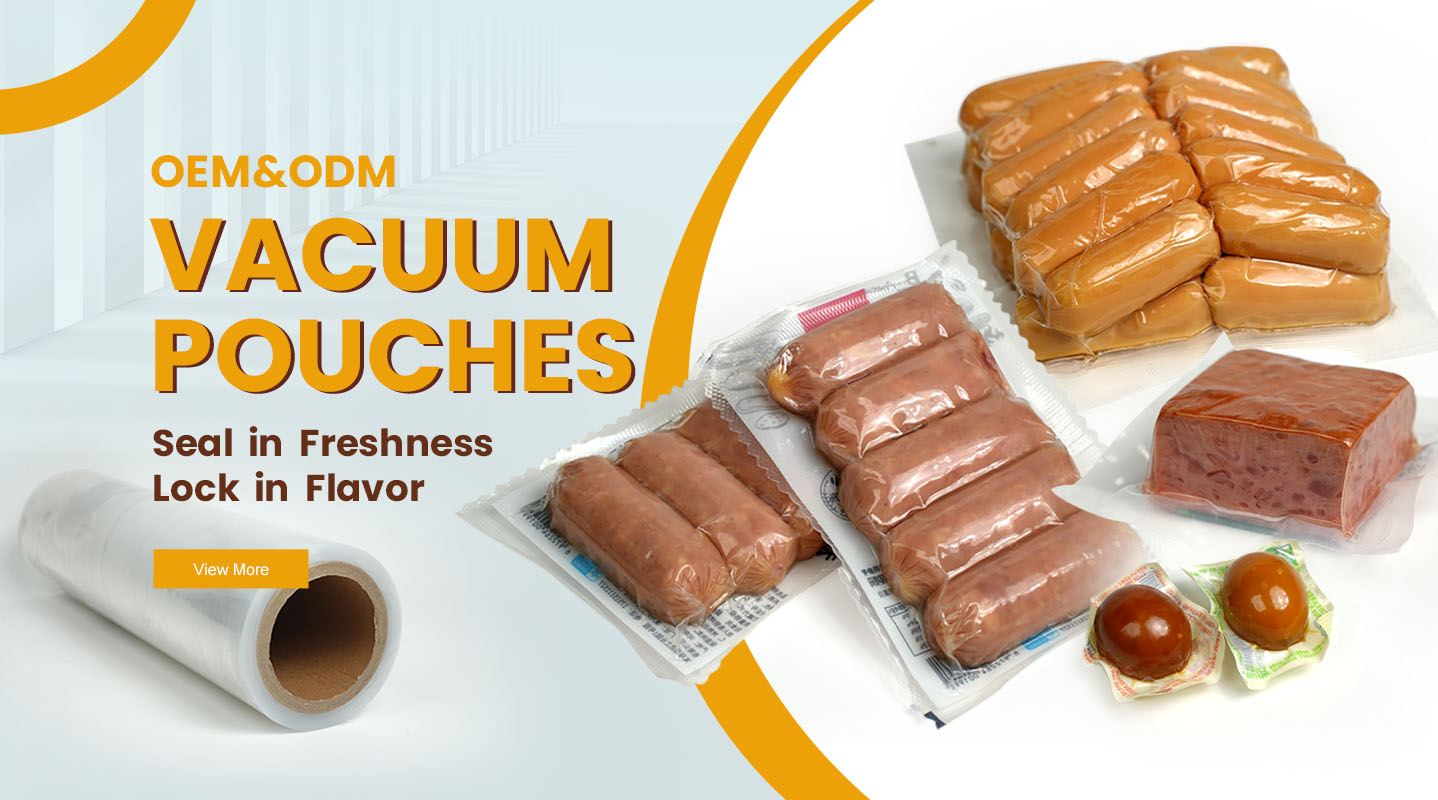
Vacuum packaging for meats and seafood
High-barrier pouches for dairy and snacks
Modified atmosphere packaging for fresh produce
Barrier trays and lidding films in ready meals
These applications demonstrate how EVOH’s properties are leveraged across diverse food categories to improve protection, quality and longevity.
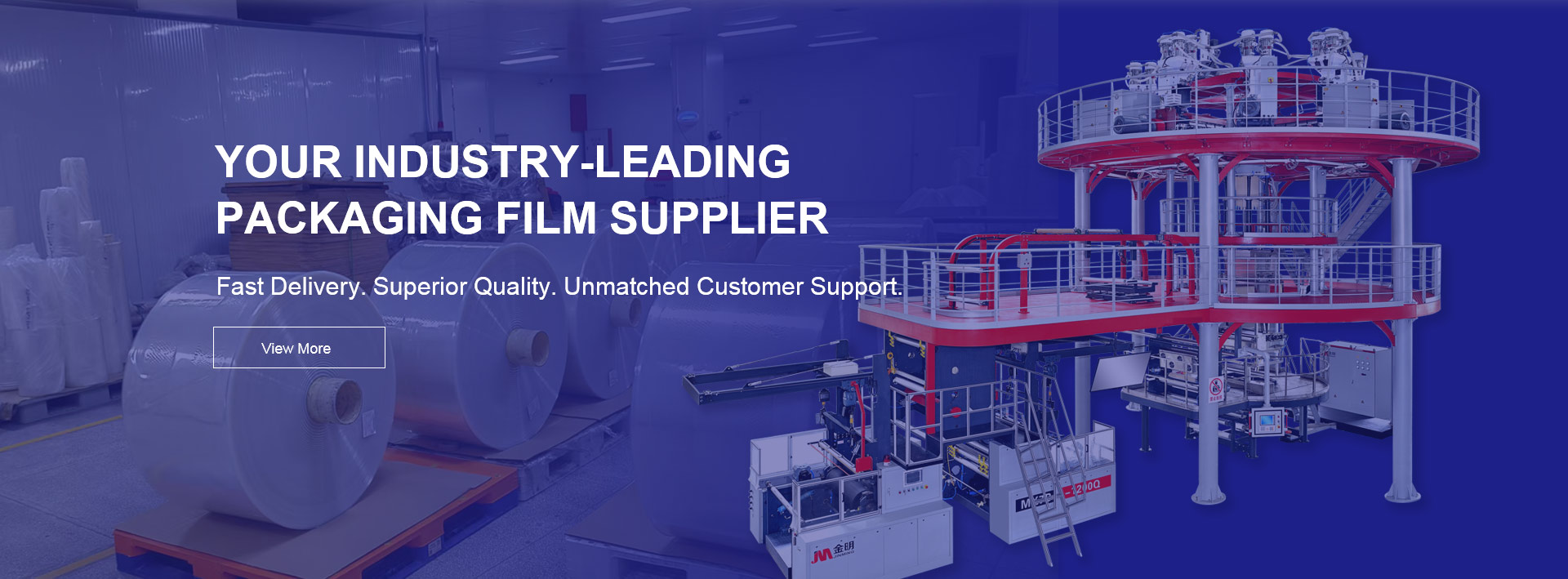
Companies like Jinborun New Material Technology Company Limited provide advanced co-extrusion barrier films and customizable packaging solutions suitable for meat, seafood, sausage and other food products. By combining EVOH layers with moisture-resistant polymers, Jinborun delivers high-performance films that meet commercial food packaging needs. Their flexible options support both standard and tailored packaging requirements.
EVOH plays a central role in modern food packaging barrier films by offering exceptional protection against gases that drive food spoilage. Its integration into engineered multilayer films enables substantial extensions of shelf life, improved product quality and reduced waste. When paired with suitable manufacturing partners and film solutions, EVOH barrier technology supports both performance and sustainability objectives in the food packaging industry.