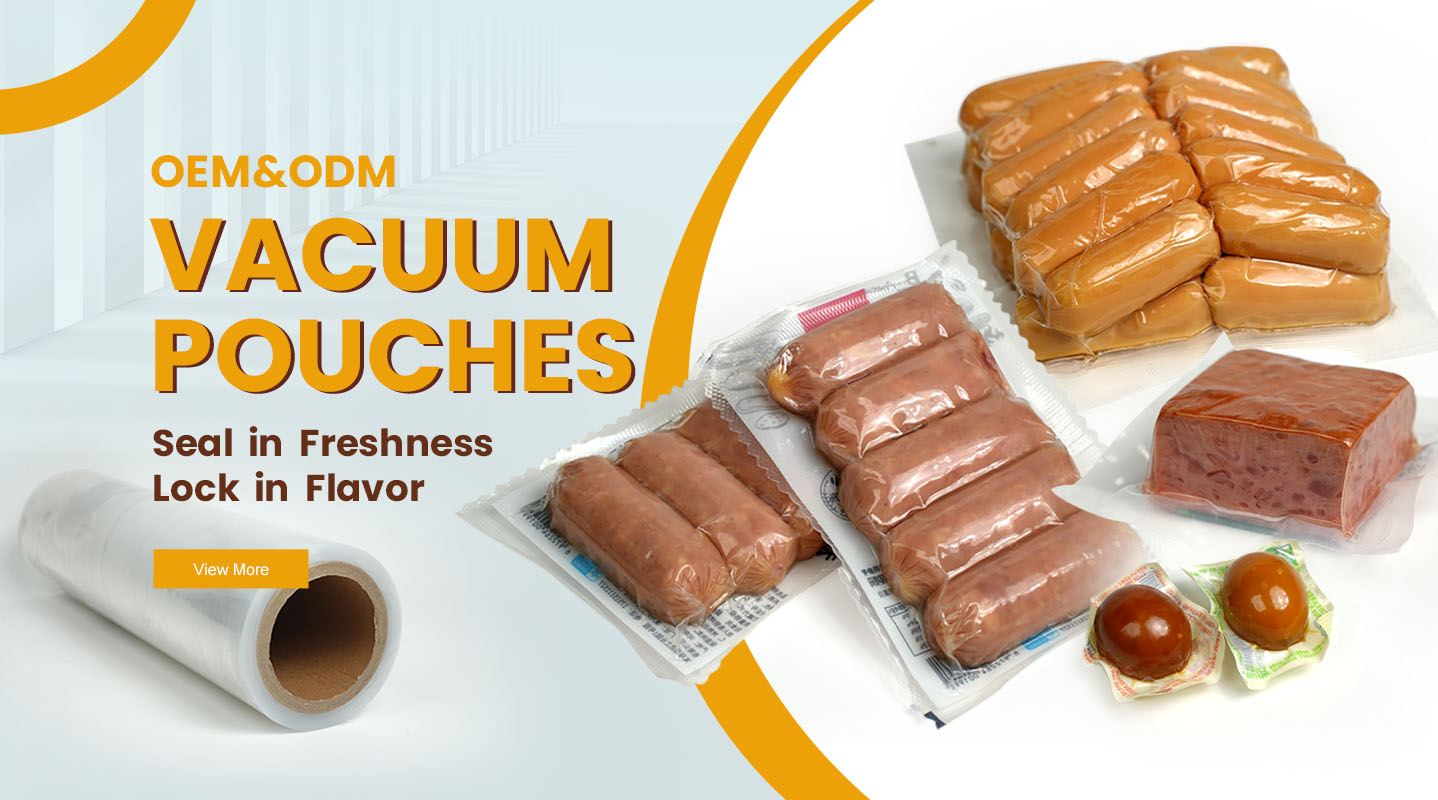
high barrier films are essential in food packaging to protect products from oxygen, moisture, light, oils, and other environmental factors that lead to spoilage. These films extend shelf life, preserve flavor and aroma, and maintain food quality throughout distribution and storage. High barrier films are typically complex, multi-layer structures made from a combination of polymers and barrier materials chosen for their specific protective functions.
Choosing the right high barrier film materials depends on the food type, distribution conditions, and cost performance. Below is an overview of the most common materials used in the industry today.
EVOH is one of the most widely used high barrier polymers, known for its outstanding oxygen barrier properties compared with many plastics. It is commonly used as a thin layer within multi-layer films to keep oxygen out and preserve freshness. EVOH’s barrier effectiveness decreases in high humidity, so it is often sandwiched between other waterproof polymers
PVDC offers excellent resistance to oxygen, water vapor, and oils. Traditionally used in coated films (e.g., PVDC on polypropylene or polyester), this material dramatically reduces gas and vapor transmission, which extends the shelf life of sensitive foods. PVDC coatings also provide good heat sealability and printable surfaces.
Polyamide (PA) films bring strong mechanical strength, thermal resistance, and puncture resistance to multi-layer structures. While not the highest oxygen barrier on its own, polyamide layers help protect against physical damage and improve overall durability of the packaging.
PET is a robust polymer that contributes structural strength, clarity, and good moisture barrier properties. When metallized (vacuum-coated with metals like aluminum), metallised PET films can also block light and enhance barrier performance for products needing both protection and product visibility.
Polyethylene variants like High-Density PE (HDPE) and Low-Density PE (LDPE) are often used as sealant and moisture barrier layers. While PE does not offer high gas barrier by itself, it provides excellent moisture resistance and reliable heat sealing when combined with other barrier layers.
In addition to conventional polymers, some advanced materials enhance barrier performance or offer sustainability benefits:
Aluminum Foil: Considered the benchmark for impermeability, aluminum foil provides virtually zero oxygen and moisture transmission when intact, making it ideal for products requiring extreme barrier protection.
Biopolymers and Nanocomposites: Emerging materials like polysaccharide-based biofilms and nanocomposite coatings are being studied for biodegradable barrier packaging with competitive performance.
High barrier films rarely consist of a single material. Instead, manufacturers combine layers strategically to balance barrier performance, mechanical strength, sealability, and processability. A typical high barrier film might include:
| Layer Function | Common Materials |
|---|---|
| Outer Protective Layer | PET, BOPP |
| Barrier Core Layer | EVOH, PVDC |
| Impact/Seal Layer | PE (LDPE, HDPE), CPP |
| Optional Metal Layer | Metallized PET/PP |
| Tie/Adhesive Layers | Tie resins for polymer adhesion |
Each material plays a role: outer layers protect against physical damage and provide printability, barrier core layers block gases, and inner layers ensure moisture resistance and reliable sealing.
High barrier films are engineered to achieve very low oxygen transmission rates (OTR) and water vapor transmission rates (WVTR), which are critical indicators of how well a packaging film protects food products. Multi-layer co-extrusion and lamination processes allow combinations of materials that deliver customized barrier performance based on product sensitivity and distribution needs.
When selecting high barrier films, packaging engineers consider:
Product sensitivity to oxygen, moisture, and light
Required shelf life and storage conditions
Mechanical properties like puncture resistance
Seal strength and processing compatibility
Regulatory and safety requirements
For companies seeking reliable high barrier films, JINBORUN offers a range of packaging film products designed for food protection, extended shelf life, and stability across supply chains. JINBORUN’s films incorporate advanced multi-layer structures tailored for diverse food applications, combining barrier materials with processing versatility and quality control. With years of expertise in barrier film manufacturing, JINBORUN supports custom solutions to meet specific packaging challenges. Explore JINBORUN’s offerings to find high barrier films that balance barrier performance, durability, and cost efficiency for your food packaging needs.
High barrier films continue to evolve with innovations in materials and processing technologies. By understanding the properties and roles of core materials like EVOH, PVDC, PET, and polyamide, packaging professionals can design packaging solutions that maintain food quality and drive product success.