In modern food packaging, maintaining product freshness and safety is a critical goal. Multilayer barrier films have become a leading solution due to their ability to control oxygen, moisture, and light transmission while offering mechanical strength and durability. By combining different materials into a single structure, these films create a protective shield that keeps food fresher for longer, reduces waste, and improves overall storage performance.
Multilayer barrier films are composed of several polymer layers, each contributing specific properties to the overall structure. A typical film may include outer layers for printability and strength, middle layers for barrier performance, and inner layers for sealing. The combination of materials such as polyethylene (PE), polypropylene (PP), ethylene vinyl alcohol (EVOH), and polyamide (PA) ensures an ideal balance between flexibility, durability, and protection.
These layers work synergistically:
Outer Layer: Provides mechanical resistance, print quality, and protection from external abrasion.
Middle Layer: Acts as the key oxygen and moisture barrier.
Inner Layer: Ensures strong seals and compatibility with filling equipment.
This engineered combination allows food manufacturers to fine-tune packaging performance for different types of food, whether it’s dry snacks, ready meals, or dairy products.
One of the most important functions of multilayer barrier films is their ability to block oxygen and water vapor—two major factors that cause food spoilage. Oxygen exposure accelerates oxidation, leading to changes in color, flavor, and nutritional value. Moisture, on the other hand, promotes microbial growth and texture degradation.
By incorporating materials like EVOH or PVDC, these films achieve very low oxygen transmission rates (OTR) and water vapor transmission rates (WVTR). For instance, EVOH can reduce oxygen permeability to as low as 0.1 cc/m²·day·atm, significantly extending product shelf life. Foods such as meats, coffee, and dairy remain stable for weeks or even months longer than when packed in single-layer films.
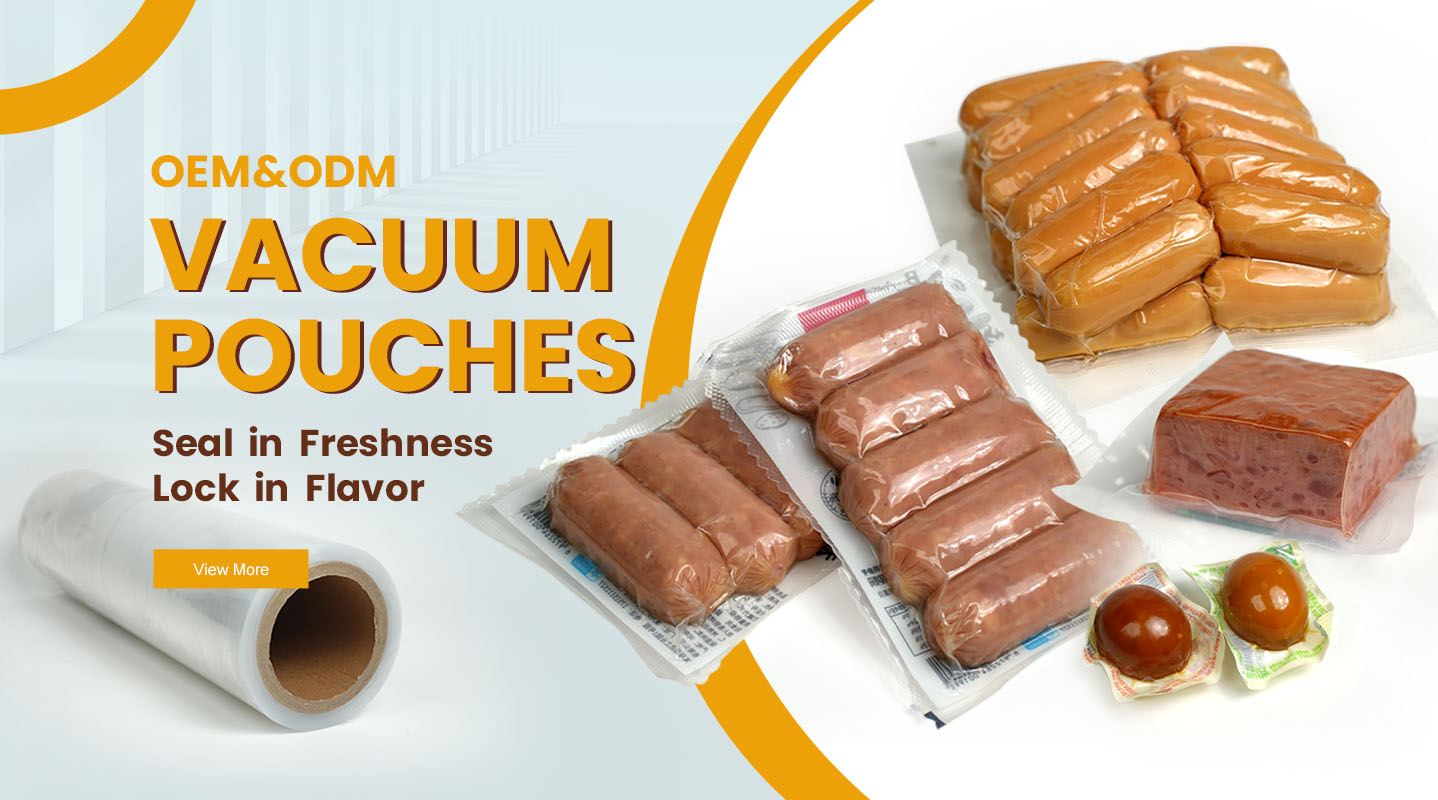
Multilayer barrier films not only protect food from environmental factors but also offer superior mechanical strength. Polyamide (nylon) layers provide puncture resistance and high tensile strength, which is essential for vacuum-packed or heavy food products.
This enhanced durability ensures that the package maintains its integrity during transportation, handling, and storage. Damage to packaging—such as tears or leaks—can quickly compromise food safety, so the mechanical performance of these films directly contributes to shelf life and consumer satisfaction.
Light, particularly ultraviolet radiation, can cause chemical reactions that deteriorate the color and flavor of certain foods. Multilayer films often include UV-absorbing additives or pigmented layers to prevent photo-degradation. This feature is especially beneficial for light-sensitive products like oils, juices, and sauces.
The film’s structure can be customized to block specific light wavelengths while maintaining transparency where product visibility is desired. This flexibility allows brands to achieve both functional protection and appealing visual presentation.
A reliable seal is essential for maintaining a controlled atmosphere within food packaging. The inner sealing layer of multilayer films—usually made of low-density polyethylene (LDPE) or cast polypropylene (CPP)—provides excellent heat-sealing performance.
This ensures airtight and leak-proof closures, which prevent contamination and preserve modified atmospheres (such as nitrogen flushing). High seal integrity also improves packaging efficiency, enabling fast production speeds and consistent performance on automated packaging lines.
Although multilayer films are complex, ongoing innovations are making them more environmentally friendly. Manufacturers now develop recyclable or mono-material barrier structures that retain high barrier properties without compromising sustainability. Advanced adhesives and coatings further reduce material waste while enhancing recyclability.
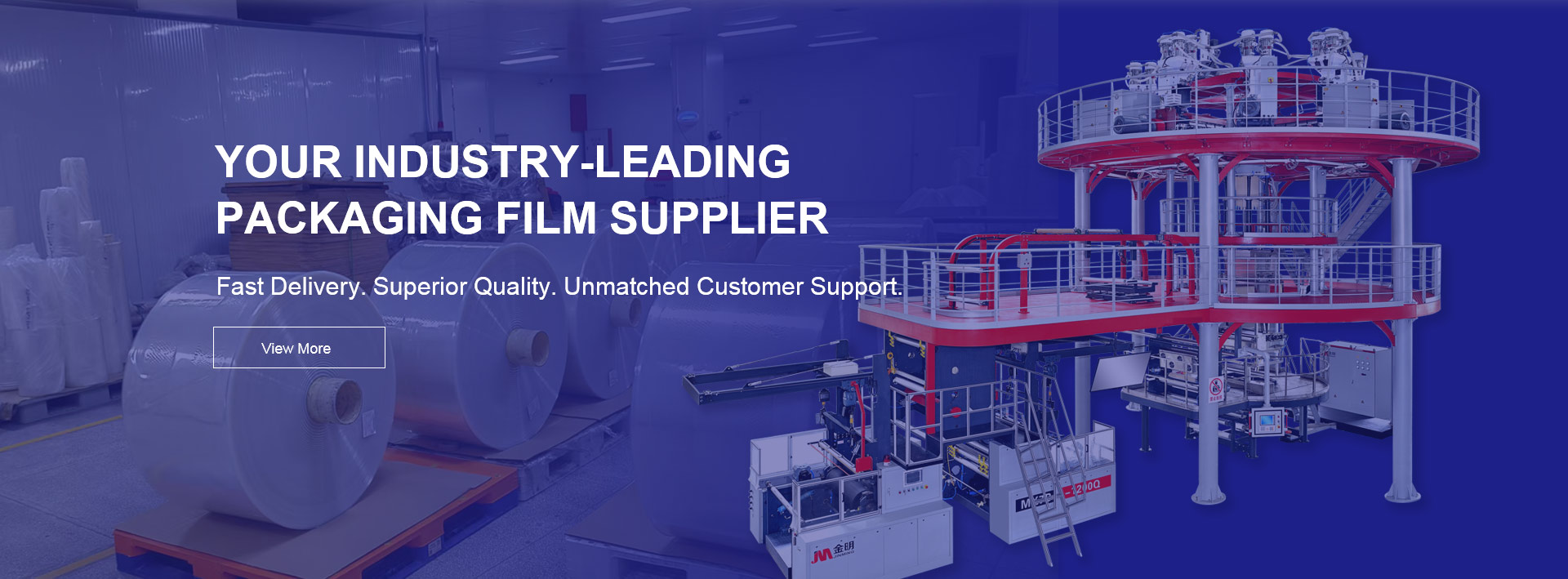
Companies like JINBORUN specialize in producing high-quality barrier films that combine long shelf life performance with eco-conscious design. Their materials are engineered to meet modern packaging standards while supporting the global shift toward sustainable solutions.
Multilayer barrier films are used in a wide range of food packaging applications, from flexible pouches to vacuum bags and thermoformed trays. Their adaptability makes them suitable for:
Snacks and Confectionery: Prevents moisture absorption and oxidation.
Meat and Seafood: Maintains color, texture, and freshness.
Dairy and Cheese: Blocks oxygen and prevents mold growth.
Coffee and Tea: Retains aroma and flavor compounds.
Prepared Meals: Protects under various temperature and storage conditions.
Each application benefits from customized material combinations tailored to the food’s specific storage and distribution requirements.
Multilayer barrier films play a crucial role in extending the shelf life of packaged foods. By integrating multiple functional layers, they provide comprehensive protection against oxygen, moisture, light, and mechanical stress. The result is food that stays fresher longer, safer for consumption, and more appealing on the shelf. As packaging technology advances, these films will continue to evolve—offering even better performance, sustainability, and compatibility with modern food systems.
For businesses seeking high-performance food packaging materials, JINBORUN offers reliable multilayer film solutions that balance durability, efficiency, and environmental responsibility.