barrier films used in packaging must not only provide excellent resistance to moisture, oxygen, and contaminants, but also withstand physical stresses and maintain secure seals throughout handling, transportation, and storage. Two key performance indicators for barrier films are puncture resistance and seal strength. This comprehensive guide explains practical testing methods to evaluate these properties and ensure packaging quality and reliability.
Puncture resistance is a measure of a film’s ability to resist penetration by sharp or pointed objects. This is critical for packaging containing products with irregular shapes or sharp edges that could compromise integrity during distribution.
Several internationally recognised test methods are used to quantify puncture resistance:
ASTM F1306 – A standard method for slow rate penetration resistance of flexible barrier films and laminates. Film samples are clamped over an opening and a probe with a defined geometry is pushed through the specimen at a controlled rate until perforation occurs. The maximum force, energy, and displacement are recorded.
EN 14477 (Parker Ball-Point Test) – A European method that uses a pointed tip to penetrate the film, measuring the peak force needed to cause puncture.
ASTM D5748 – Focuses on protrusion puncture resistance with a larger indenter and additional characterization of film deformation before failure.
Sample Preparation
Cut the film into uniform specimens as defined by the test standard.
Condition specimens at standard laboratory conditions to reduce variability.
Testing Machine Configuration
Use a universal testing machine equipped with a puncture probe attachment.
Align the film sample horizontally in the grips or fixture.
Execution
Begin the test with the probe moving at a constant crosshead speed towards the film surface.
Continue until the film ruptures.
Data Collection
Record peak puncture force (N).
Measure energy absorbed (J) as the area under the force-displacement curve.
Note displacement at puncture initiation.
Higher puncture force and energy absorption values indicate better resistance to mechanical penetration. These parameters help quality engineers select the right film structure and materials for rugged handling environments.
Seal strength determines how well two film layers joined by heat or adhesive maintain their bond under tension. Reliable seals prevent leakage, preserve product freshness, and protect against contamination.
ASTM F88 – The most recognised standard for measuring the peel strength of seals in flexible barrier films. It quantifies the force required to separate a sealed joint using controlled tensile testing. (Instron)
Specimen Preparation
Cut sealed film strips with the seal centred.
Typical specimen widths are around 25 mm.
Machine and Grips
Mount the specimen in opposing grips on a tensile testing machine.
Choose a peel mode (e.g., 180-degree peel or T-peel) depending on packaging design.
Testing Process
Apply tensile force at a steady speed until the seal separates.
Monitor force over the peel cycle.
Data and Metrics
| Parameter | Meaning |
|---|---|
| Average Seal Strength | Mean force per unit width needed to peel the seal. |
| Maximum Seal Strength | Highest instantaneous force recorded during peel. |
| Mode of Failure | Whether failure occurred at the seal interface or within the film. |
Consistent seal strength values demonstrate uniform sealing quality in production and help identify issues such as insufficient heat, pressure, or dwell time during sealing.
In addition to puncture and seal strength tests, other evaluations can enhance quality assurance:
Burst and Creep Tests – Assess seal integrity under internal pressure over time.
Flex Crack Resistance – Evaluates the film’s resistance to repeated bending and folding during handling.
Dynamic Seal and Burst Tests – Identify how seals perform under changing conditions or rapid pressure changes.
Standardize Conditions: Maintain consistent temperature and humidity during testing.
Adequate Replicates: Use multiple specimens to reduce variability and generate statistically meaningful results.
Proper Calibration: Ensure testing machines are calibrated and probes or grips are suitable for thin films.
Clear Documentation: Record settings, sample dimensions, and failure modes for quality reporting.
Accurate assessment of puncture resistance and seal strength is essential for reliable packaging performance. Testing under recognised standards safeguards product quality and reduces failure risks during distribution and storage.
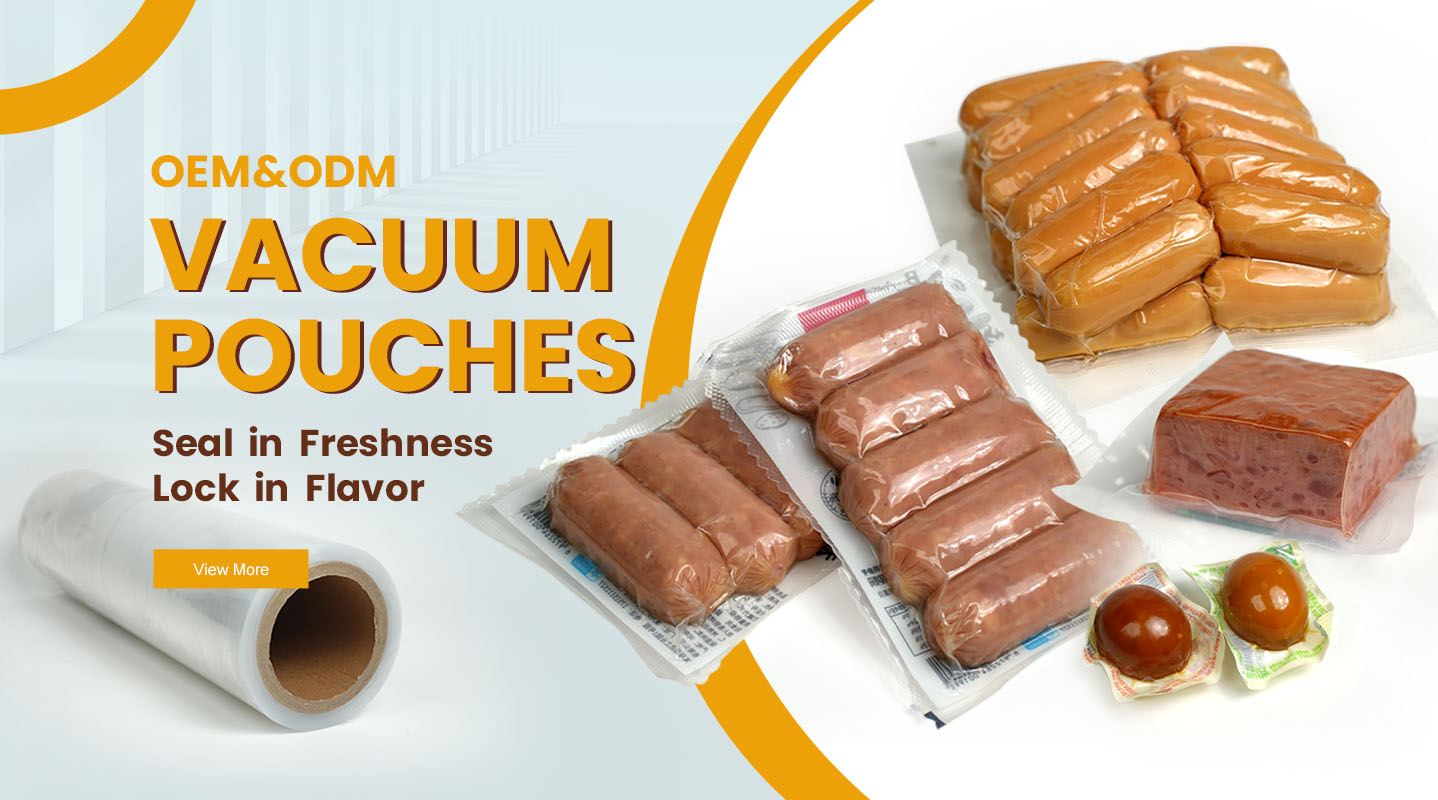
For manufacturers and brand owners seeking quality flexible packaging solutions, JINBORUN offers a wide range of barrier films and vacuum packaging films with consistent physical properties and customizable options to match application needs. Their products are crafted using advanced co-extrusion technology and comprehensive quality control practices, making them suitable for food and industrial packaging applications.