Co-extruded films are advanced multi-layer plastic materials produced through a specialized extrusion process that bonds multiple polymer layers into a unified structure with enhanced performance characteristics. Each layer in a co-extruded film contributes specific features such as barrier protection, mechanical strength, clarity, or sealability, which makes these films versatile across a wide range of industries and product applications.
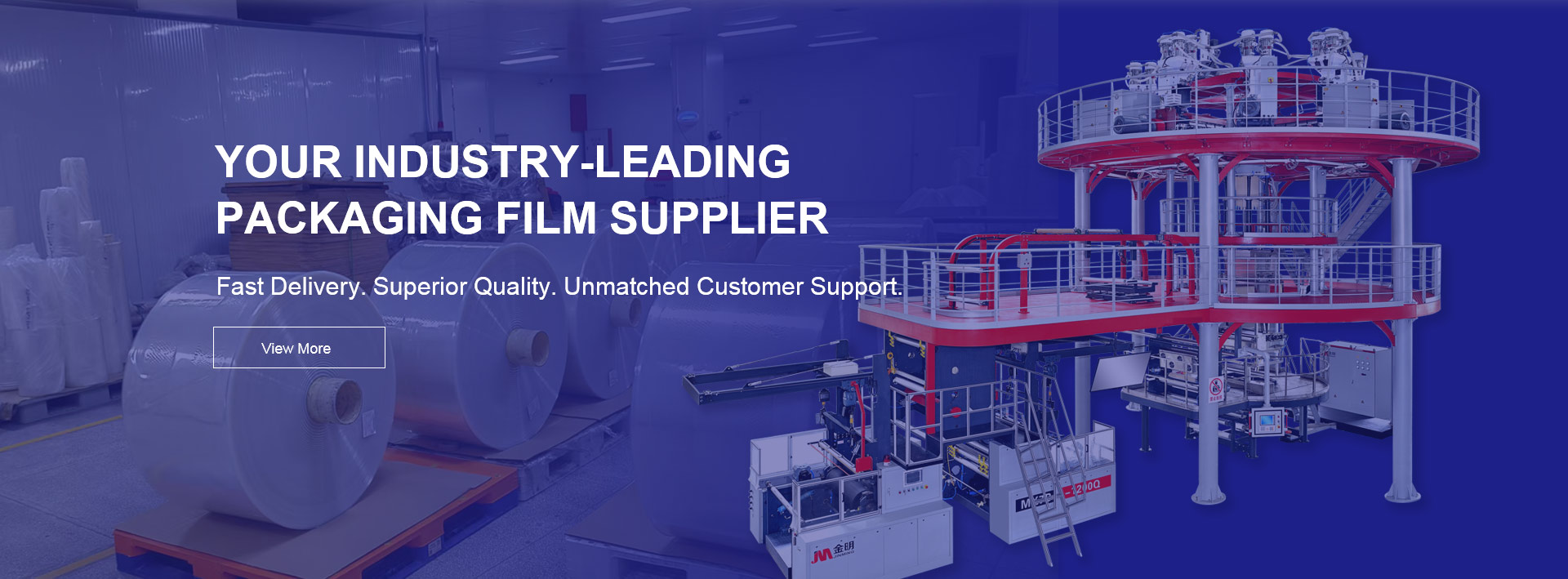
Manufacturers that invest in co-extrusion technology, such as JINBORUN, leverage precise layer design to deliver films tailored to customer needs, combining both functionality and cost efficiency. JINBORUN’s offerings include custom co-extruded films suitable for packaging, industrial, agricultural, and more specialized applications. Their expertise in material selection and manufacturing ensures high quality and reliable performance. Learn more at JINBORUN’s official site.
Packaging remains the largest application area for co-extruded films due to their ability to preserve product quality and protect contents during handling and storage.
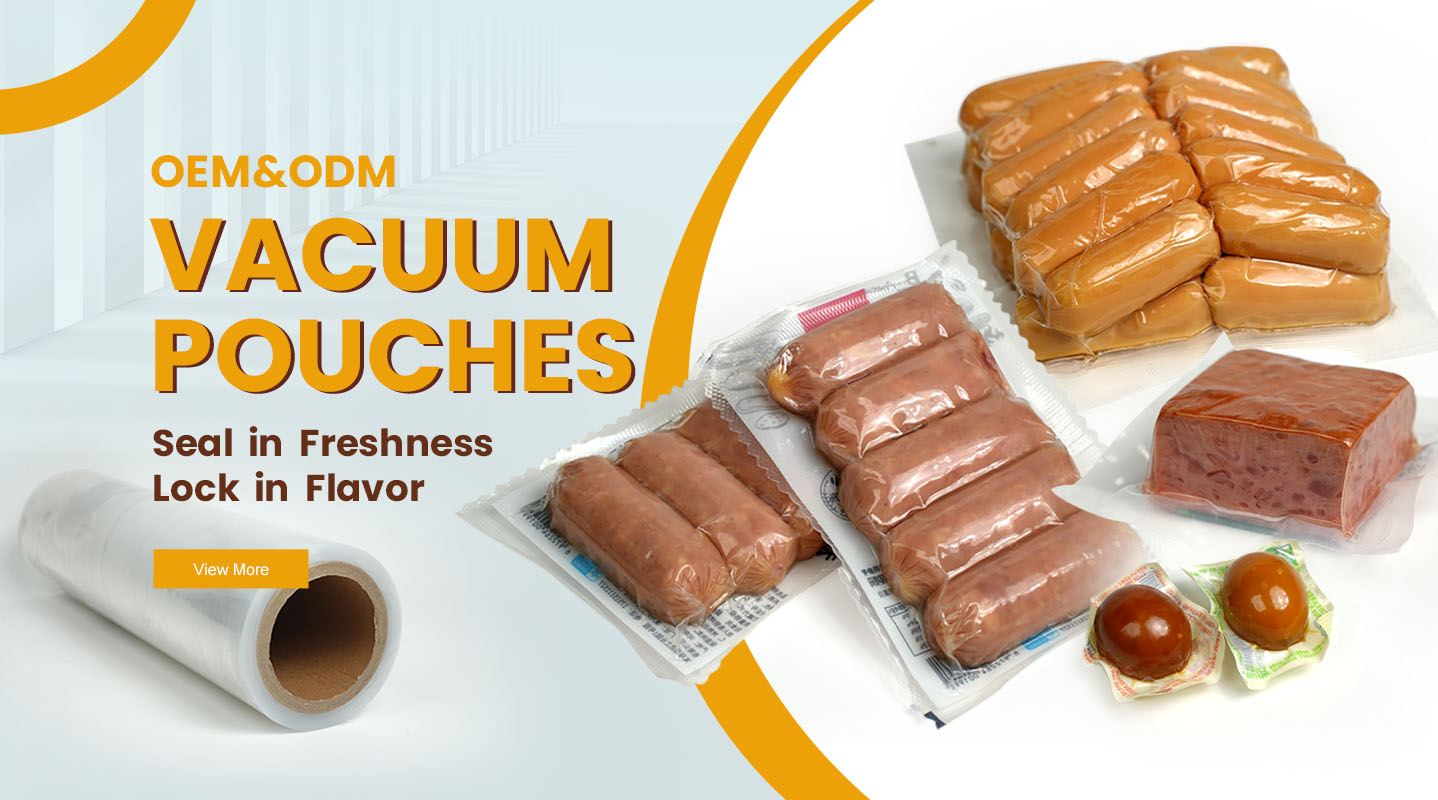
Co-extruded films are widely used in food packaging for fresh produce, dairy products, snacks, and vacuum-sealed items because they block moisture, oxygen, light, and other contaminants that can degrade quality. These films can also be engineered with excellent heat sealability and enhanced mechanical strength to support automated packing lines and strict hygiene requirements.
Flexible pouches, shrink films, retail bags, and printed packaging films benefit from co-extruded structures that combine clarity, printability, and durability. These features improve branding, product visibility, and customer convenience while protecting the packaged goods.
Co-extruded films play a crucial role in the industrial sector where protection of goods and operational efficiency are priorities.
Films made from co-extruded Linear Low-Density Polyethylene (LLDPE) or other resin blends provide high puncture resistance, excellent cling, and load stability for wrapping pallets and securing products during transport and storage.
Durable co-extruded films are used as protective layers for machinery, construction materials, and products stored in challenging environments. Heavy-duty industrial liners and protective sheeting offer resistance to abrasion, tearing, and environmental exposure.
Agricultural applications take advantage of the tailored properties of co-extruded films to improve crop yield and resource efficiency.
Co-extruded agricultural films are engineered to manage light transmission, moisture retention, and soil temperature. Mulch films help control weeds and conserve soil moisture, while greenhouse coverings provide durable protection and required light diffusion for plant growth.
In livestock operations, co-extruded films are used to wrap silage bales and cover feed storage. These films offer barrier properties that suppress oxygen ingress, reducing spoilage and preserving nutritional quality.
Medical packaging and hygiene products demand high levels of quality, cleanliness, and performance. Co-extruded films meet these criteria through controlled material selection and precise layer engineering.
Films with strong barrier performance protect medical devices, instruments, diagnostic kits, and pharmaceuticals from contamination, moisture, and physical damage. Heat-sealable layers support sterile processing and secure sealing.
In hygiene applications, co-extruded films can be used for wipes, underpads, and protective wraps that require softness, strength, and liquid barrier properties.
Co-extruded films are increasingly adopted in automotive and technical applications where specific mechanical and protective functions are required.
Barrier films contribute to components such as car carpets, roof linings, and protective layers, enhancing moisture resistance, durability, and thermal performance in vehicle interiors.
In automotive manufacturing, co-extruded layers can be combined with fabrics, foams, or other substrates to create composite materials with desired properties such as sound insulation, wear resistance, and structural integrity.
| Application Area | Typical Uses | Key Benefits |
|---|---|---|
| food packaging | Fresh produce, snacks, vacuum seals | Barrier protection, printability |
| Retail & Consumer Goods | Shopping bags, pouches | Flexibility, strength, branding support |
| Industrial Protection | Pallet wrap, protective liners | Durability, puncture resistance |
| Agriculture | Greenhouse films, mulch, silage wrap | Light control, moisture management |
| Medical & Hygiene | Instrument wraps, medical packaging | Cleanliness, barrier integrity |
| Automotive & Technical | Interior barriers, functional composite films | Moisture resistance, tailored performance |
Co-extruded films deliver multifunctional performance across diverse sectors by combining multiple polymer layers into a single, purpose-built material. Their applications span from protective packaging in food and retail to industrial wrapping, agricultural films, medical barriers, and automotive components, making them indispensable in modern manufacturing and product protection systems. Thanks to companies like JINBORUN, businesses can access high-quality co-extruded films designed to meet specific application requirements with optimized performance and efficiency.