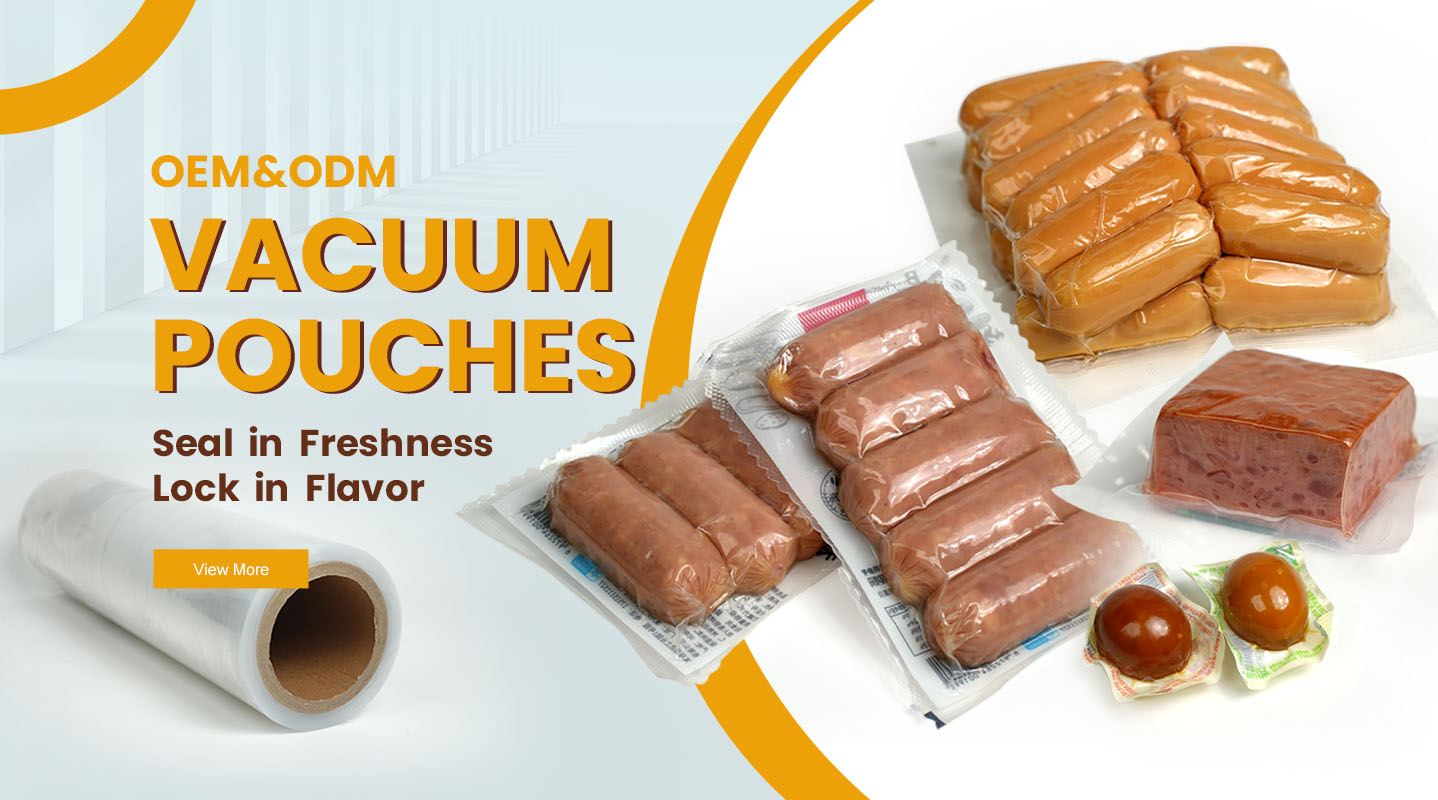
Barrier food films are specialized materials engineered to limit the passage of gases, moisture, light, and odors into or out of packaged products. While companies like Beyond Meat rely on these films for packaging plant-based protein products, their applications extend across many industries that require enhanced product protection and longer shelf life. These films are essential for modern packaging and preservation across diverse markets.
Barrier films serve a wide range of industries, each with distinct performance requirements. Below is a comprehensive overview of how barrier films are used beyond meat and plant-based protein packaging:
Barrier films are most widely used in the food and beverage industry to preserve freshness, extend shelf life, and protect products from environmental factors such as oxygen and moisture. They are essential for packaging a broad spectrum of food products.
Examples of applications:
Snacks and confectionery: Flexible pouches and wrappers that prevent rancidity and moisture uptake.
Dairy and cheese: Films that extend shelf life and protect against spoilage.
Bakery goods: Wraps that maintain texture and prevent staling.
Fresh and frozen produce: Packaging that guards against freezer burn and dehydration.
Beverages: Barrier coatings on bottles and cartons to protect flavor and aroma.
This broad usage underscores how barrier films support product quality in everyday food consumption.
Pharmaceutical products require stringent protection during storage and distribution. Barrier films used in this sector prevent contamination, maintain sterility, and protect sensitive drugs from moisture and oxygen degradation. In medical applications, these films are often integrated into blisters, sachets, and sterile packaging systems that support patient safety.
The personal care and cosmetics industry uses barrier films to package products that can be sensitive to air and moisture. For example, barrier films are applied in sachets, pouches, and primary packaging for creams, lotions, and masks to preserve formulation integrity and extend product life. Barrier properties also help maintain fragrance and texture.
Barrier films are critical in protecting electronic components and assemblies from humidity, oxidation, and particulate contamination. Flexible barrier films are used as protective layers for semiconductors, sensors, and circuit boards during manufacturing and shipment. These films help ensure product reliability in harsh environments.
In agricultural and industrial chemical markets, barrier films are used to package fertilizers, seeds, agrochemicals, and specialty chemicals that require protection from moisture or degradation. Barrier films reduce the risk of chemical breakdown during storage and handling, supporting performance and safety.
Pet food packaging also benefits from advanced barrier films. These films preserve flavors, protect nutritional content, and prevent oxidation in both dry and wet pet food products. Reliable barrier packaging helps protect product quality over extended storage periods, which is important for both retailers and consumers.
Barrier films are finding new uses in smart and active packaging systems that integrate sensors or antimicrobial functions. Innovations include films that interact with the environment to signal freshness or release protective compounds under specific conditions. These advanced packaging formats support cutting-edge quality management in perishable products.
Barrier films are engineered from various materials and layer combinations to achieve specific barrier levels and mechanical properties. Common materials include:
| Material Type | Key Property | Typical Uses |
|---|---|---|
| EVOH (Ethylene-Vinyl Alcohol) | Excellent oxygen barrier | High-barrier food pouches, retort packaging |
| Metallized PET/PP | Reflective moisture and light protection | Snack and confectionery packaging |
| Multi-layer co-extrusions | Customizable barrier profiles | Flexible pouches, stand-up bags |
| Biopolymer coatings | Sustainable barrier options | Edible coatings and eco-friendly films |
Advances in barrier film technologies emphasize sustainability, including recyclable mono-material films and biodegradable coatings that support environmental goals while maintaining performance.
Selecting an appropriate barrier film involves balancing barrier performance, mechanical strength, and sustainability. Manufacturers should consider factors such as product sensitivity, expected storage conditions, regulatory compliance, and environmental footprint. High-performance films can help minimize food waste, reduce returns due to spoilage, and enhance brand reputation through improved product quality.
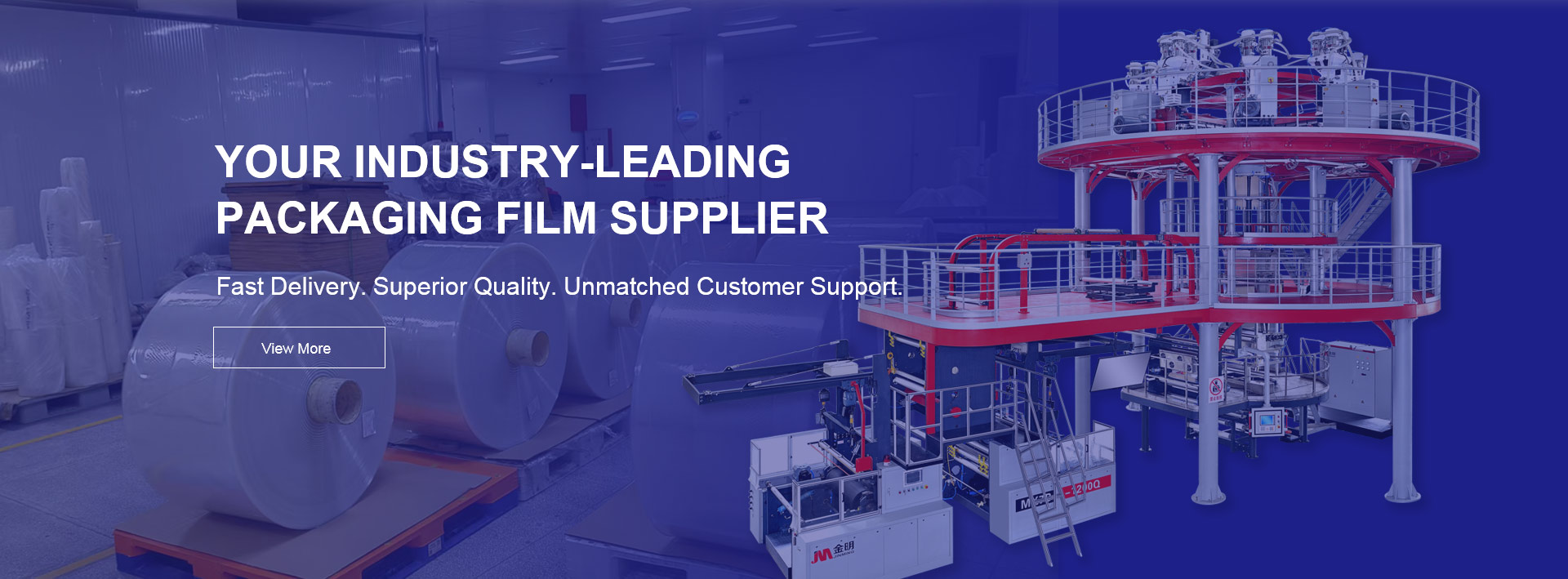
For companies sourcing barrier films, partnering with experienced material suppliers is crucial. JINBORUN offers a range of advanced barrier film solutions tailored to meet diverse industry needs, combining reliable barrier properties with customizable options for packaging performance. Their expertise supports food, medical, and industrial applications with flexible and high-quality products that align with market demands.
The barrier film market is expected to grow as demand increases for packaging solutions that extend shelf life and support sustainability. Innovations in materials science, including plant-based and recyclable barrier films, will continue to expand the range of applications across industries. As global trade and e-commerce grow, barrier films will play an increasingly important role in ensuring product quality over long distribution routes.
In summary, barrier food films are versatile materials integral to many industries beyond just plant-based meat packaging. From food and beverages to pharmaceuticals, electronics, and specialty sectors, barrier films help protect products, extend shelf life, and enhance customer satisfaction. Planning packaging strategies around high-quality barrier materials is essential for companies focused on quality, performance, and sustainability.