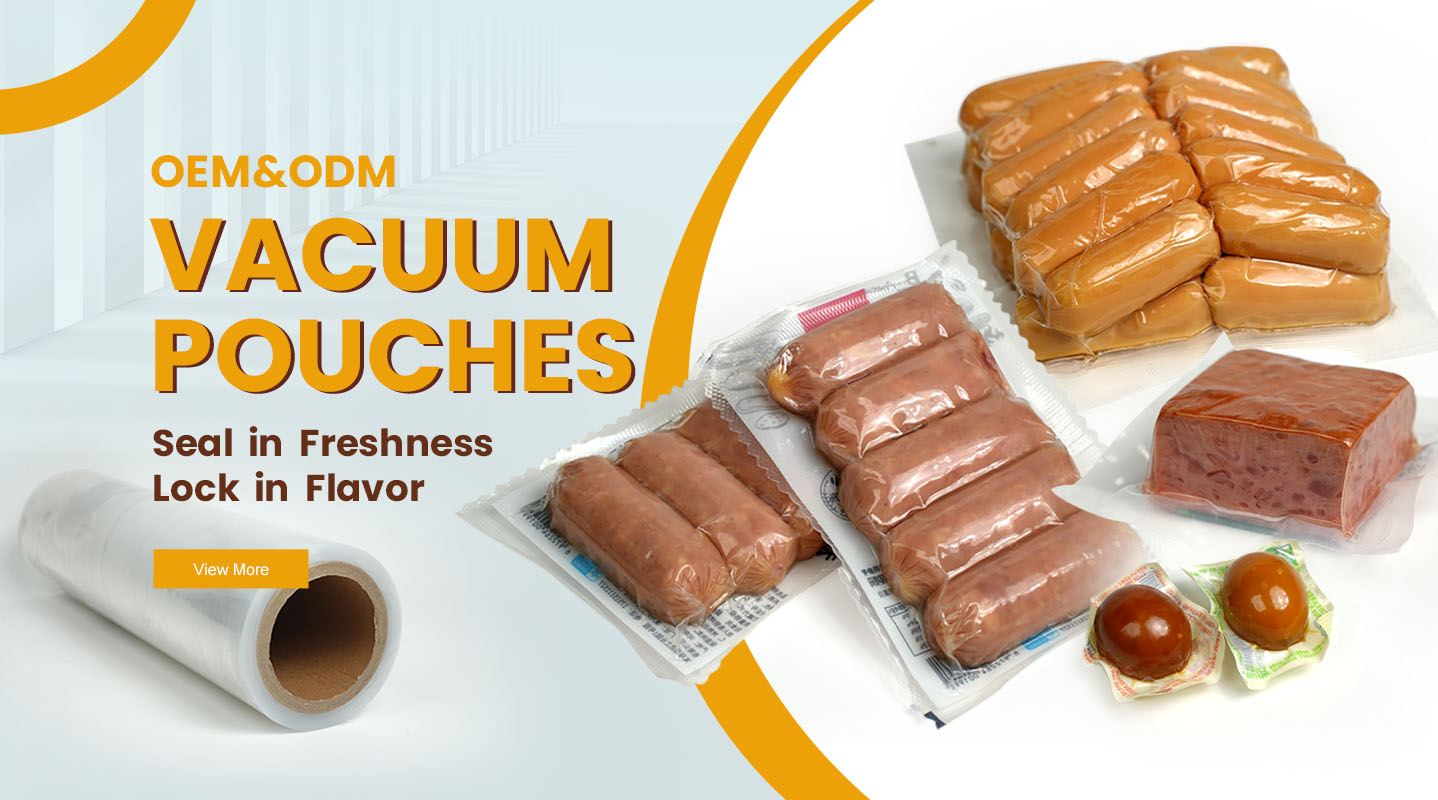
Food Packaging Films play a vital role in protecting food from contamination, extending shelf life, and maintaining product freshness. To ensure that these materials are safe, compliant, and suitable for direct food contact, manufacturers must adhere to a series of global certification standards. These certifications demonstrate that the materials meet the necessary health, safety, and environmental requirements for food-grade applications.
Certifications serve as proof that packaging films have undergone rigorous testing to confirm they are non-toxic, hygienic, and compatible with food products. Regulatory bodies in different regions, including the United States, the European Union, and Asia, have set distinct standards. Meeting these standards helps manufacturers enter international markets, avoid legal risks, and assure buyers of consistent quality.
Additionally, certified food packaging films support sustainability and traceability in the supply chain, aligning with global trends toward eco-friendly packaging.
In the United States, the FDA governs the safety of food-contact materials under the Code of Federal Regulations (21 CFR). Films that comply with FDA standards are deemed safe for direct or indirect food contact. Certification involves migration testing to confirm that chemicals or additives in the plastic will not transfer to the food. Materials like polyethylene (PE), polypropylene (PP), and polyethylene terephthalate (PET) commonly receive FDA approval for food packaging.
This European standard regulates the safety of plastics intended to contact food. It specifies migration limits for substances that can potentially leach into food and requires full traceability of materials used during production. Manufacturers must maintain documentation, conduct analytical tests, and issue a Declaration of Compliance (DoC) confirming that their films meet EU standards.
ISO 22000 certifies that a company follows a comprehensive food safety management system. It covers every step of production—from raw material sourcing to storage and distribution—ensuring that contamination risks are minimized. For packaging film producers, ISO 22000 demonstrates commitment to consistent hygiene and global quality management standards.
The BRCGS certification is widely recognized in Europe and beyond. It ensures that manufacturers maintain strict hygiene control, documented quality procedures, and traceability throughout the packaging process. Achieving BRCGS certification allows film producers to supply major retailers and food brands that demand verified safety and process control.
Independent third-party testing agencies such as SGS or Intertek can verify that packaging films comply with food safety requirements in various countries. These migration tests evaluate whether materials release harmful substances into food under simulated conditions. Test reports from such organizations provide additional assurance of compliance.
| Certification | Scope | Key Focus |
|---|---|---|
| GB 4806.7 & GB 9685 (China) | Domestic | Safety and additive standards for food-contact plastics |
| LFGB (Germany) | Europe | Evaluates food safety for materials contacting food under the German Food and Feed Code |
| RoHS / REACH | Europe | Restricts hazardous chemicals and ensures environmental safety |
| COMPOSTABLE / ASTM D6400 | Global | Certifies biodegradability for films used in eco-friendly food packaging |
| Halal & Kosher | Global | Ensures materials meet religious dietary laws for specific markets |
These additional certifications enable companies to target specific market segments and comply with local regulatory frameworks.
For international buyers, working with certified packaging film suppliers ensures product safety and regulatory compliance. Certifications simplify customs clearance, reduce liability risks, and enhance consumer confidence. Distributors can also use certification labels as marketing advantages, emphasizing transparency and quality assurance in their supply chain.
Manufacturers that maintain updated certification records demonstrate professionalism and reliability, creating long-term partnerships with global food brands and packaging converters.
When sourcing packaging films, buyers should evaluate whether the supplier can provide certificates of compliance and traceability documentation. A reliable manufacturer will also perform internal quality checks, batch testing, and maintain cleanroom production environments.
JINBORUN is a professional producer of high-performance plastic films for food packaging applications. The company’s production lines are equipped with strict quality control systems and comply with international standards for food safety. Its products include multi-layer co-extruded films and high-barrier packaging materials that meet FDA and EU requirements. Choosing a supplier like JINBORUN ensures safety, transparency, and confidence in every roll of film.
Food packaging films must adhere to recognized international standards to guarantee consumer safety and product integrity. Certifications such as FDA, EU 10/2011, ISO 22000, and BRCGS are essential benchmarks that verify compliance and reliability. Beyond regulation, these certifications represent a company’s dedication to hygiene, traceability, and sustainable manufacturing—qualities that global food industries increasingly demand.
Manufacturers that uphold these certifications not only protect consumers but also strengthen their competitiveness in the global marketplace. For businesses seeking dependable and compliant packaging solutions, certified suppliers remain the cornerstone of long-term success.