ThermoForming Film is a flexible plastic material engineered to be heated, shaped, and cooled into a defined form without losing structural integrity. It is widely used for packaging applications where product visibility, barrier protection, and customizable forming depth are important. During processing, the film is heated to a precise temperature range that allows it to stretch over molds or cavities. Once cooled, it retains the designed shape and provides a stable enclosure for food, medical items, consumer goods, or industrial components. The material can incorporate multilayer structures that enhance oxygen resistance, moisture control, puncture strength, or sealing reliability, creating a balance between formability and performance. For manufacturers seeking consistent packaging quality at high volumes, thermoforming film offers a reliable solution that supports automation and precise appearance requirements.
Thermoforming films are commonly produced from polymers such as PET, PP, PS, PA, PE, or multilayer laminations that combine barrier and mechanical layers. These laminated structures allow properties to be tailored to a specific function, such as minimizing oxygen transmission or ensuring deep-draw stability. Films can be supplied in varying gauges depending on forming depth, rigidity needs, and equipment specifications. A typical structure may include surface protection layers, barrier layers like EVOH, and heat-seal layers, each contributing to the film's performance during forming and storage.
| Layer Type | Typical Function |
|---|---|
| Surface Layer | Scratch resistance and print quality |
| Barrier Layer | Controls oxygen and moisture transmission |
| Mechanical Layer | Ensures draw depth and impact strength |
| Heat-Seal Layer | Provides sealing strength and package closure |
These films are compatible with a range of thermoforming systems, including form-fill-seal lines used in automated packaging operations. Customization is available in terms of thickness, rigidity, color, gloss, and barrier performance, allowing processors to match the material precisely with their product characteristics.
Thermoforming film supports a broad set of industries because it adapts to different product shapes and protection requirements. Its ability to form reliably around irregular objects while maintaining clarity and barrier strength makes it suitable for both consumer and industrial applications.
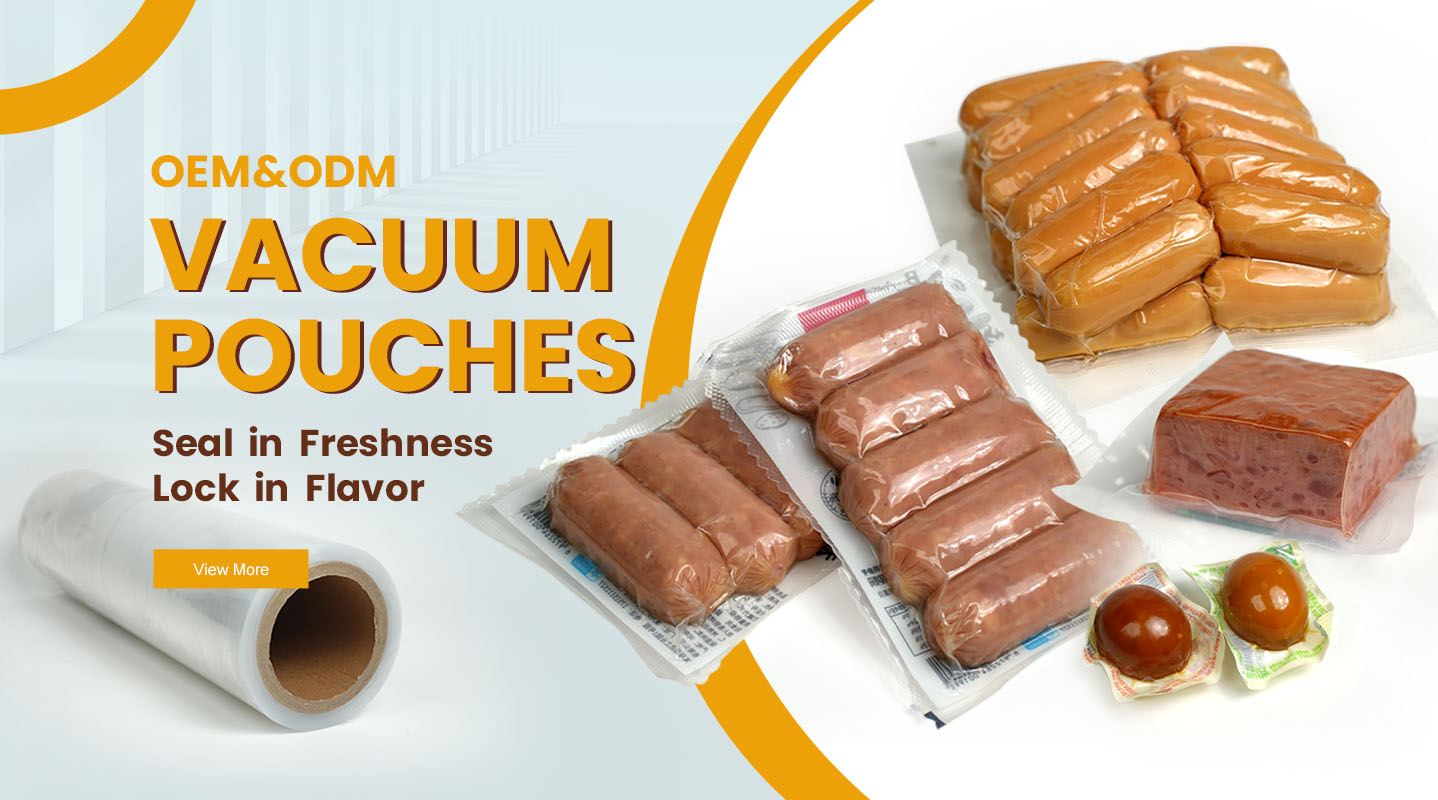
One of the largest sectors adopting thermoforming films is food packaging. Products such as fresh meat, cheese, seafood, and ready-to-eat meals require controlled oxygen exposure and extended shelf life. Multilayer films help maintain freshness, prevent contamination, and provide a tight aesthetic appearance. The ability to heat-seal securely after forming enhances leak protection for chilled or frozen items.
Medical tools, diagnostic components, and sterile devices rely on thermoforming film for tamper-evident packaging that maintains sterility. Films in this category often use high-clarity and puncture-resistant materials. They support clean-room processing and must withstand both forming and sterilization processes without distortion.
Electronic modules, connectors, sensors, and fragile parts benefit from thermoformed trays and protective enclosures. The film can be engineered for anti-static properties and dimensional accuracy, reducing damage during transport. Thermoforming also supports custom cavity design that aligns with assembly workflows.
Items such as personal-care products, toys, hardware accessories, and small appliances are often packaged in thermoformed blisters or clamshells. The film supports branding through transparency and printable surfaces, while also improving product protection and theft resistance in retail environments.
Automotive fasteners, mechanical modules, gaskets, and industrial replacement parts frequently use thermoformed trays for assembly line organization or protective shipping. High-strength film formulations ensure dimensional stability and resist impact during distribution.
Thermoforming film assists manufacturers in achieving consistent, high-volume packaging output. Its compatibility with automated processing reduces labor requirements while improving accuracy and waste control. The material also supports sustainable initiatives, as many structures can be designed with recyclable polymers or lightweight profiles that reduce overall material consumption.
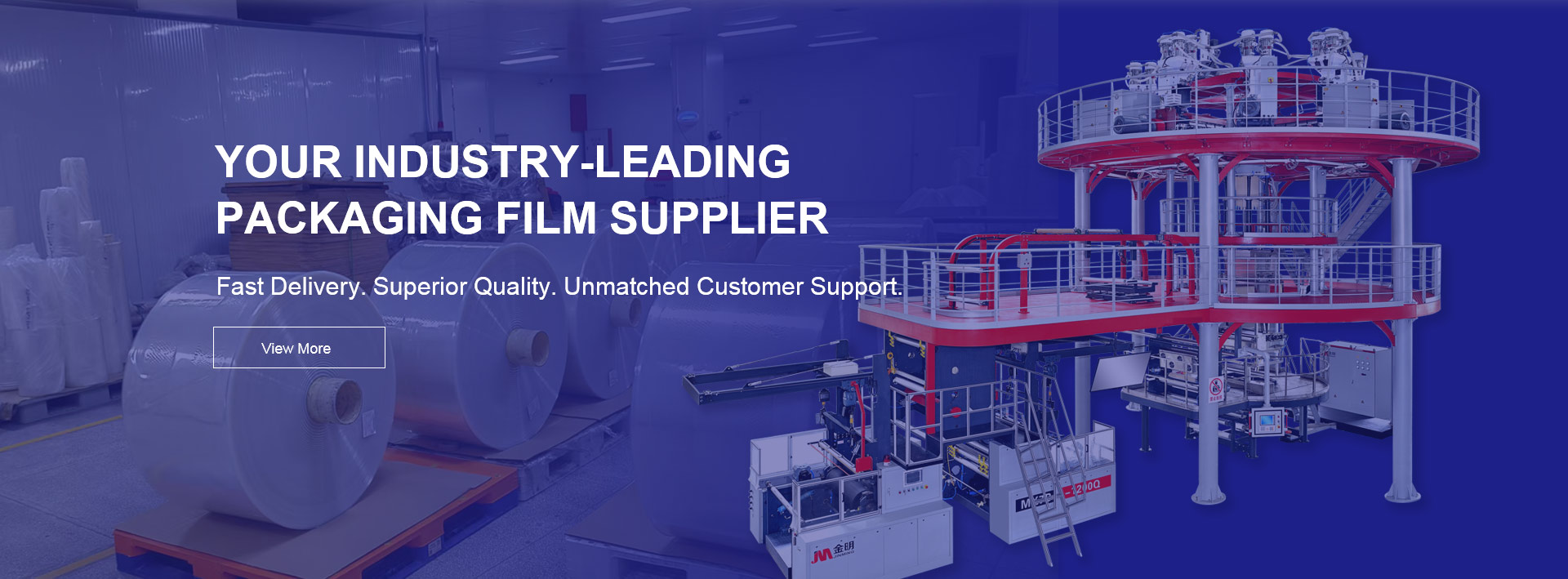
JINBORUN supplies a wide range of thermoforming films for food, medical, and industrial use, offering customized barrier options and forming performance suitable for different production environments. Their materials are engineered to deliver stability, clarity, and efficiency across automated packaging lines.
Thermoforming film plays a central role in packaging systems across food, medical, consumer, and industrial markets. Its ability to form precisely, protect products, and maintain structural stability makes it a preferred choice for manufacturers seeking reliable and customizable packaging solutions. As industries continue to adopt automated and high-efficiency production lines, demand for advanced thermoforming films is expected to grow, supported by suppliers such as JINBORUN that offer tailored materials for wide-ranging applications.