Testing Food Packaging Film quality helps buyers reduce leakage, machine downtime, product spoilage, and return claims. Film may look acceptable from the outside, but real performance depends on sealing strength, barrier level, puncture resistance, thickness stability, and food-contact suitability.
| Test Item | Purpose |
|---|---|
| Thickness test | Checks film uniformity |
| Seal strength test | Confirms sealing reliability |
| Tensile test | Measures stretch and strength |
| Puncture test | Evaluates resistance to sharp products |
| Oxygen barrier test | Checks freshness protection |
| Appearance test | Reviews clarity, flatness, and defects |
Film thickness should be tested at different points across the roll. Large variation may affect forming, sealing, and barrier consistency. Roll width should also match the packing machine requirement.
The film should be sealed under actual machine conditions. Buyers need to test sealing temperature, pressure, and time to check whether the seal is stable and clean.
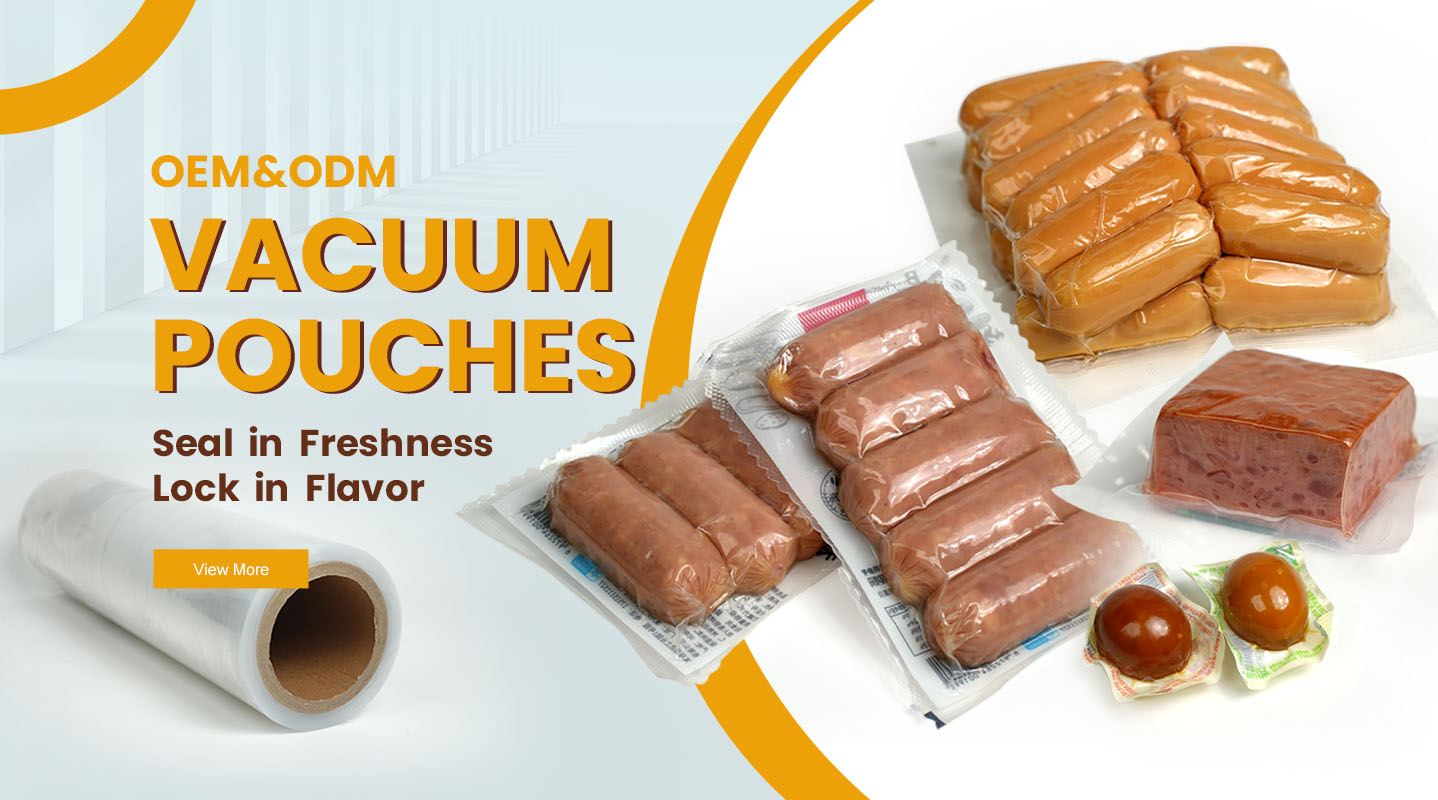
For Vacuum Pouches or packed food, drop tests and carton compression tests help simulate transport conditions. This is useful for frozen food, meat, seafood, nuts, and export packaging.
Sample testing can reveal problems that are not visible from product photos or basic specifications. For example, a film may have good transparency but weak seal strength, or strong thickness but poor oxygen barrier performance.
Before confirming a supplier, buyers should request material structure, thickness tolerance, test report, sample roll, packaging method, and storage recommendations. A professional quality packaging supplier should support testing based on the buyer’s product, machine type, shelf-life target, and export requirements.
Good testing does not only check whether the film is usable. It confirms whether the film can remain stable throughout production, storage, transport, and retail use.