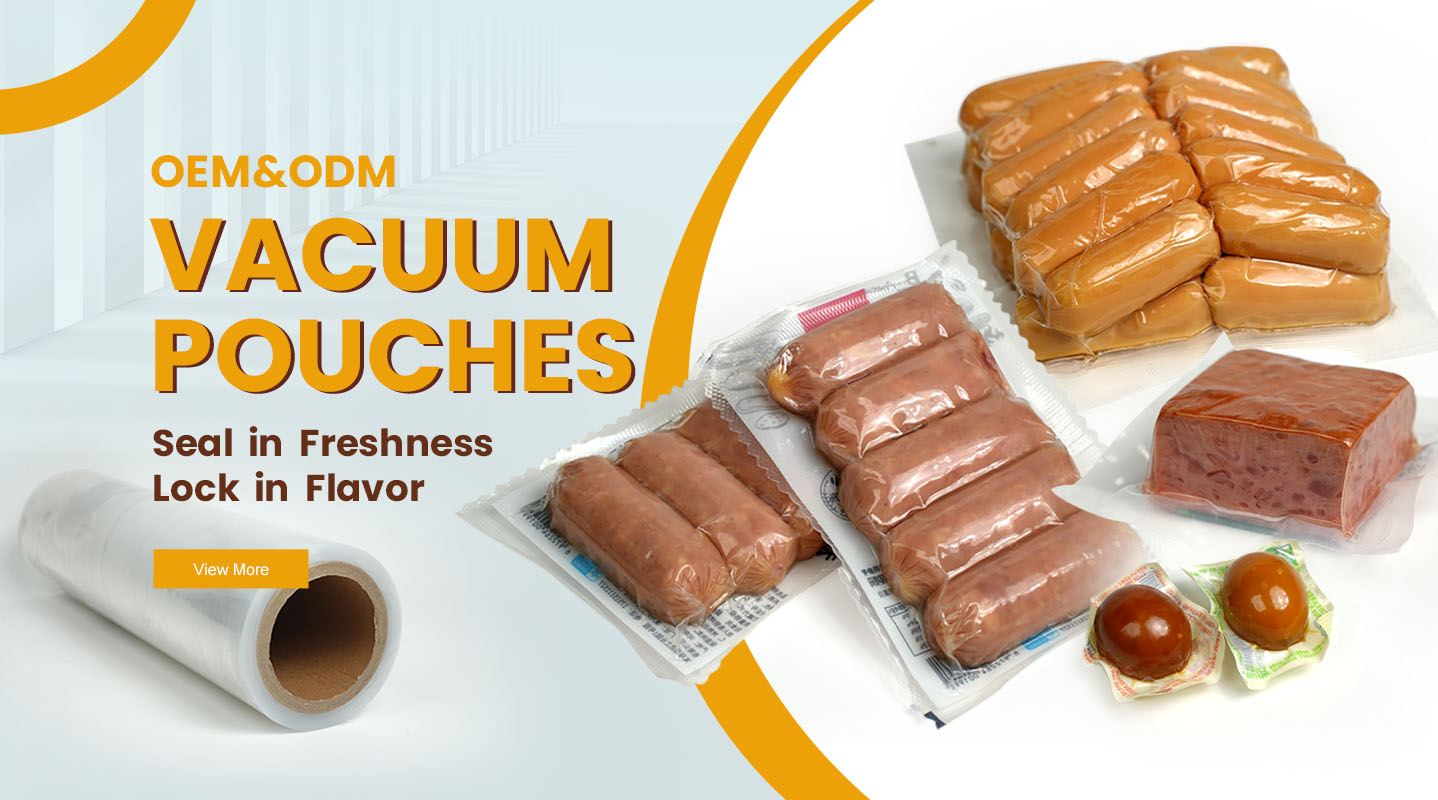
Oxygen is one of the main factors that affects packaged food quality. It can cause oxidation, color change, flavor loss, oil rancidity, and shorter shelf life. For meat, seafood, nuts, cheese, ready meals, coffee, and processed food, using proper oxygen barrier film is important.
Oxygen barrier film helps reduce oxygen transfer from the outside environment into the package. It does not make food permanent, but it slows quality loss and supports a more stable shelf life.
Oxygen exposure can affect meat color and freshness. high-barrier packaging helps reduce oxidation and vacuum loss.
Seafood is sensitive to odor, moisture, and oxidation. Barrier film helps maintain product quality during cold storage.
Nuts contain oil, so oxygen can cause rancid flavor. Barrier packaging helps protect aroma and taste.
Cooked food may contain sauce, oil, and protein. Oxygen barrier packaging helps support storage stability.
| Film Type | Main Use |
|---|---|
| PA/PE film | Vacuum food packaging |
| EVOH barrier film | High oxygen protection |
| Laminated film | Retail and export packs |
| Co-extruded film | Stable forming and sealing |
| Metallized film | Light and oxygen protection |
Before ordering oxygen barrier food film, buyers should confirm oxygen transmission rate, film thickness, sealing layer, storage temperature, shelf-life target, and packing equipment. The lower the oxygen transmission requirement, the more important the material structure becomes.
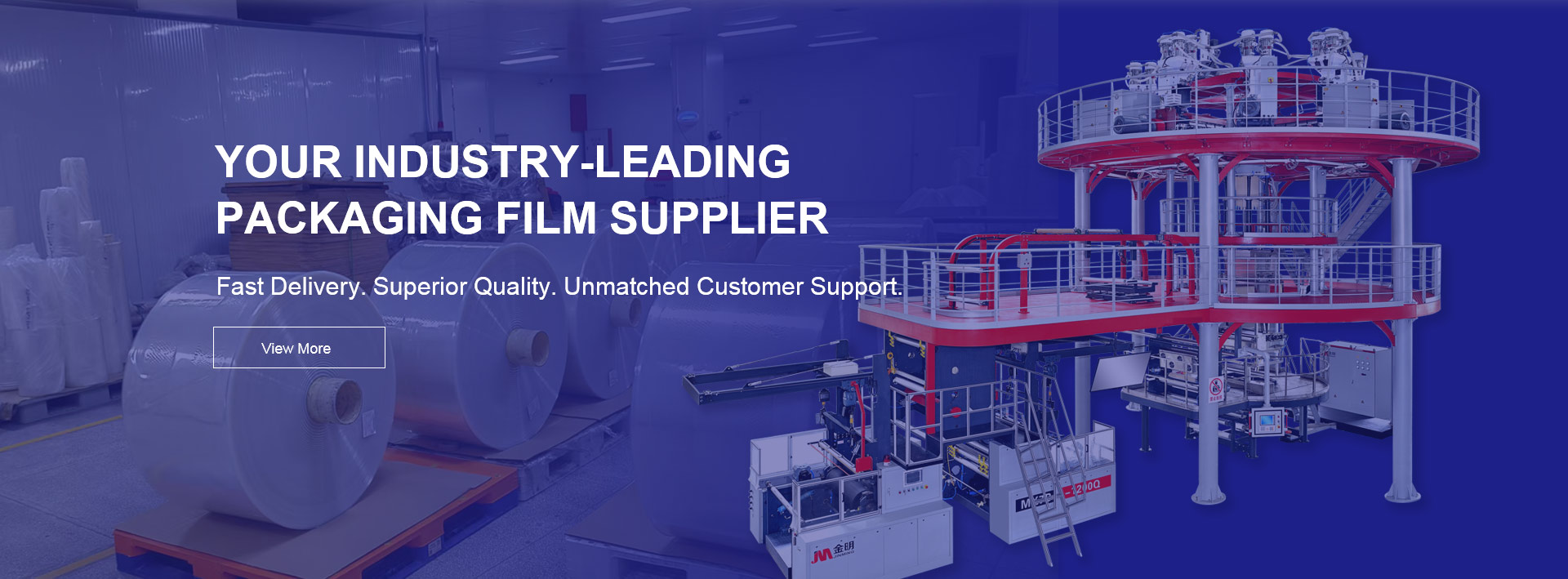
Oxygen barrier matters because it directly affects food freshness, appearance, flavor, and customer acceptance. Choosing the right film with a trusted barrier packaging supplier can reduce quality risks and improve packaging reliability.