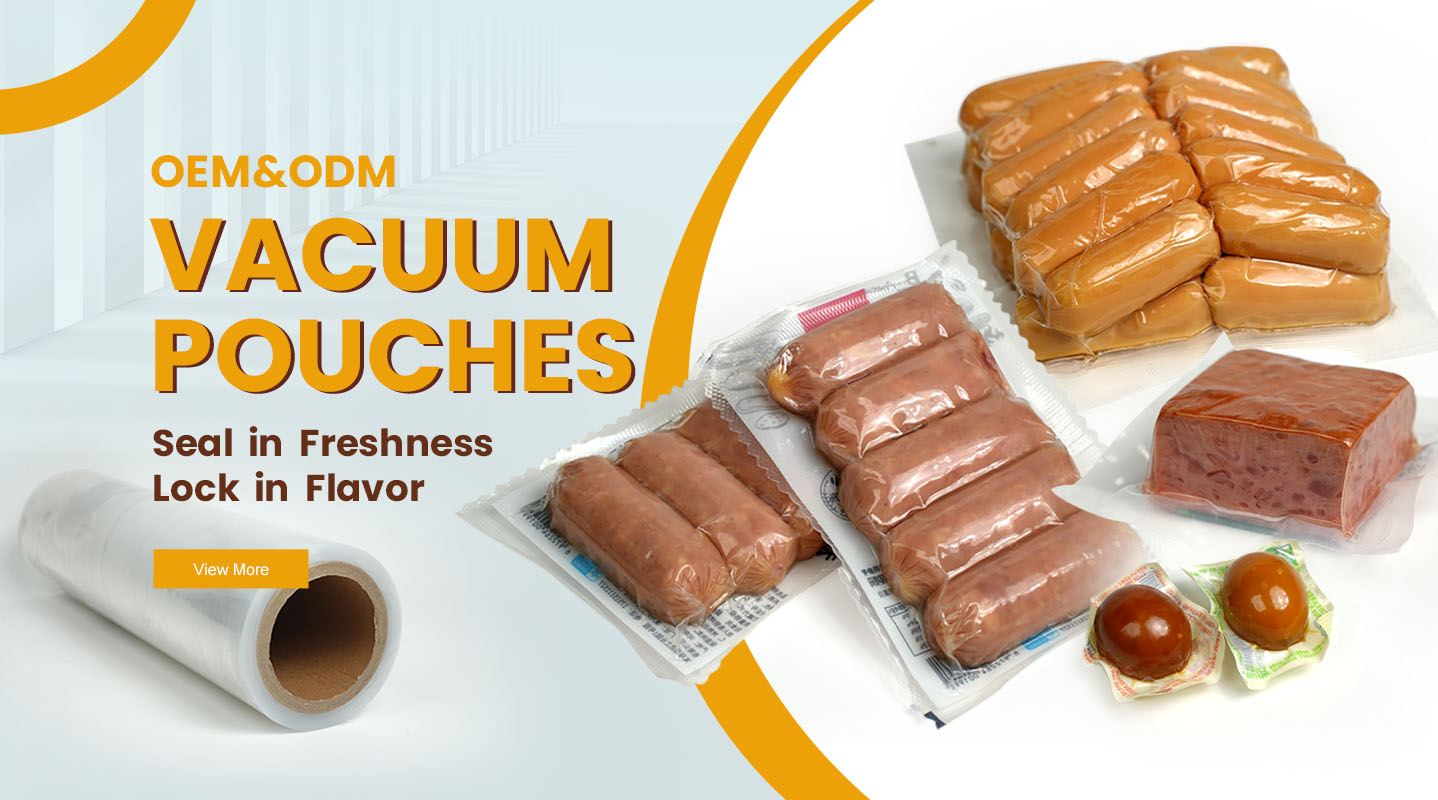
Leaking packages can lead to product loss, customer complaints, extra logistics cost, and brand damage. For food factories using vacuum packaging bags, leakage control should begin before mass production, not after products reach the market.
Different foods require different bag structures. Bone-in meat, seafood, marinated products, frozen foods, and oily foods all place different pressure on packaging. A standard vacuum bag may not be enough for sharp, wet, or heavy products.
For high-risk products, thicker film, PA/PE structure, EVOH barrier layer, or reinforced laminated material may be needed.
Many leakage problems come from unstable sealing. Buyers should check sealing temperature, sealing pressure, sealing time, and machine cleanliness. If liquid, oil, or powder enters the seal area, the bag may fail during storage or transport.
A complete leaking vacuum package solution should include film selection, sample testing, sealing trial, drop test, vacuum retention test, and cold storage simulation. This helps identify problems before bulk orders.
| Cause | Possible Result |
|---|---|
| Weak seal | Package opens during transport |
| Pinhole damage | Vacuum loss |
| Sharp product edges | Film puncture |
| Wrong film thickness | Higher breakage rate |
| Poor storage handling | Compression leakage |
Factories can reduce returns by checking seal width, vacuum level, air bubbles, bag surface damage, and carton compression before shipment. For export orders, packaging should also match long-distance transport requirements.
Reducing package leakage requires material, machine, process, and handling control. Working with a reliable bulk packaging supplier helps buyers improve packaging stability and reduce return rates from leaking products.