High barrier food film is designed to slow down oxygen, moisture, aroma loss, oil migration, and external contamination. For meat, seafood, cheese, sausage, prepared meals, and frozen food, ordinary plastic film may only provide basic wrapping, while high barrier film focuses on longer freshness, stronger protection, and more stable shelf appearance.
Food changes quickly when oxygen and moisture enter the pack. Oxygen can cause meat discoloration, fat oxidation, flavor loss, and faster microbial activity. Moisture exchange can lead to freezer burn, dry texture, water separation, or package fogging.
For chilled meat packaging, many processors look for oxygen transmission rates below 10 to 30 cc per square meter per day, depending on shelf-life goals and storage conditions. For dry or frozen products, water vapor transmission control also becomes important because moisture loss affects both weight and texture.
The barrier effect usually comes from multilayer structure. A single plastic layer often cannot meet food storage needs, so different materials are combined to create strength, sealing ability, flexibility, and gas resistance.
Common functional layers include:
Outer Strength Layer
This layer supports puncture resistance, printing stability, and handling strength during packing or transport.
Barrier Layer
This layer helps block oxygen, aroma, and moisture movement. EVOH, PA, and other barrier materials are widely used in food packaging structures.
Heat Seal Layer
This layer contacts the food side and forms the seal. It needs clean sealing performance, flexibility, and compatibility with vacuum packaging machines.
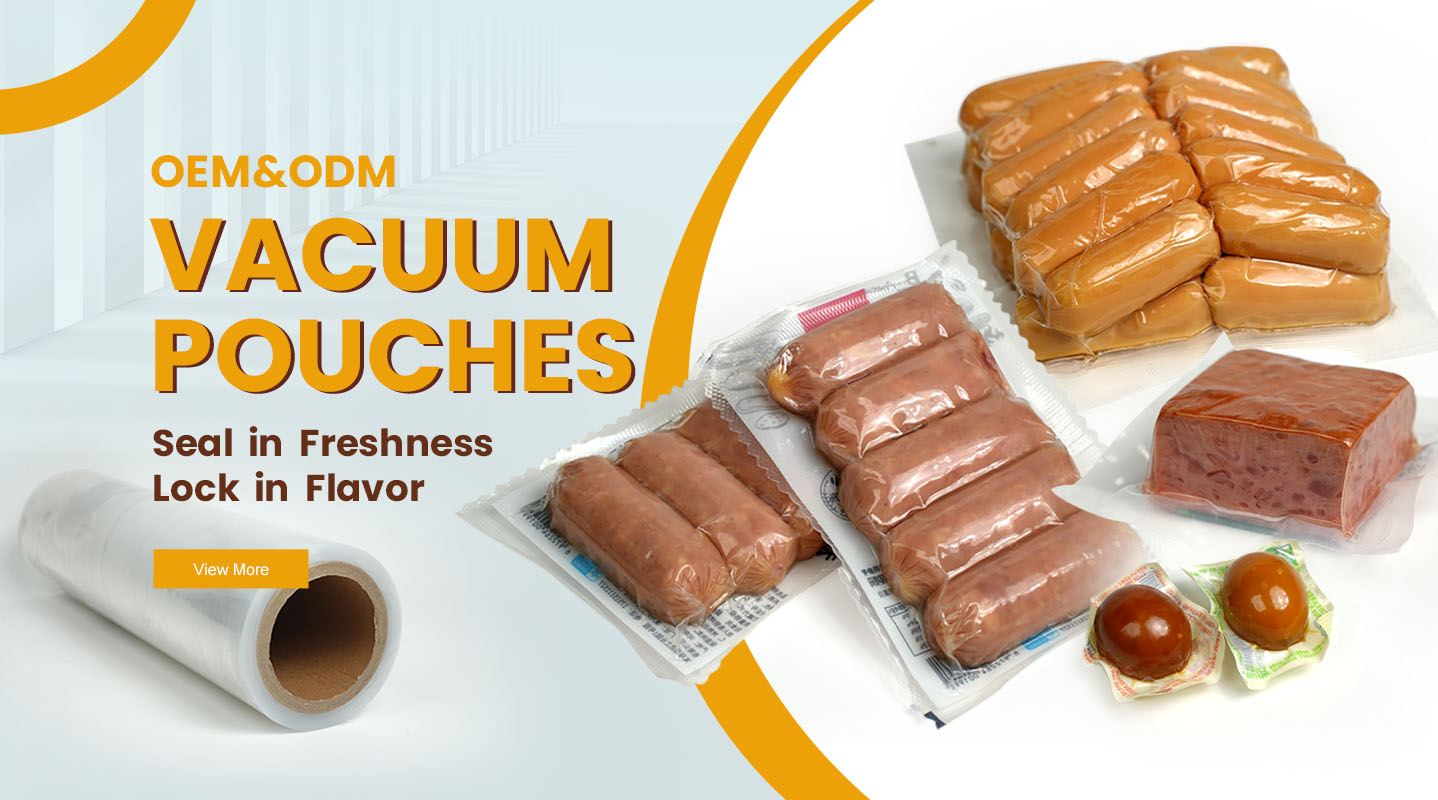
High barrier food packaging is commonly used for products that need longer freshness or stricter package protection. Vacuum-packed beef, frozen seafood, marinated meat, cheese blocks, cooked sausage, and ready-to-heat meals all require packaging that can resist air leakage and quality loss.
Different foods need different film designs. Fatty sausage needs oil resistance and strong sealing. Frozen meat needs cold flexibility and puncture strength. Seafood needs oxygen control and moisture protection. There is no single film structure that fits every product.
| Performance Item | Why It Matters |
|---|---|
| Oxygen barrier | Helps slow oxidation and color change |
| Moisture barrier | Reduces dehydration and freezer burn |
| Seal strength | Prevents leakage during storage |
| Puncture resistance | Protects against bones, shells, and hard edges |
| Low-temperature flexibility | Reduces cracking in frozen distribution |
| Thickness stability | Supports smooth machine running |
These indicators should be reviewed together. A film may have good oxygen barrier performance but still fail if seal strength or puncture resistance is too weak.
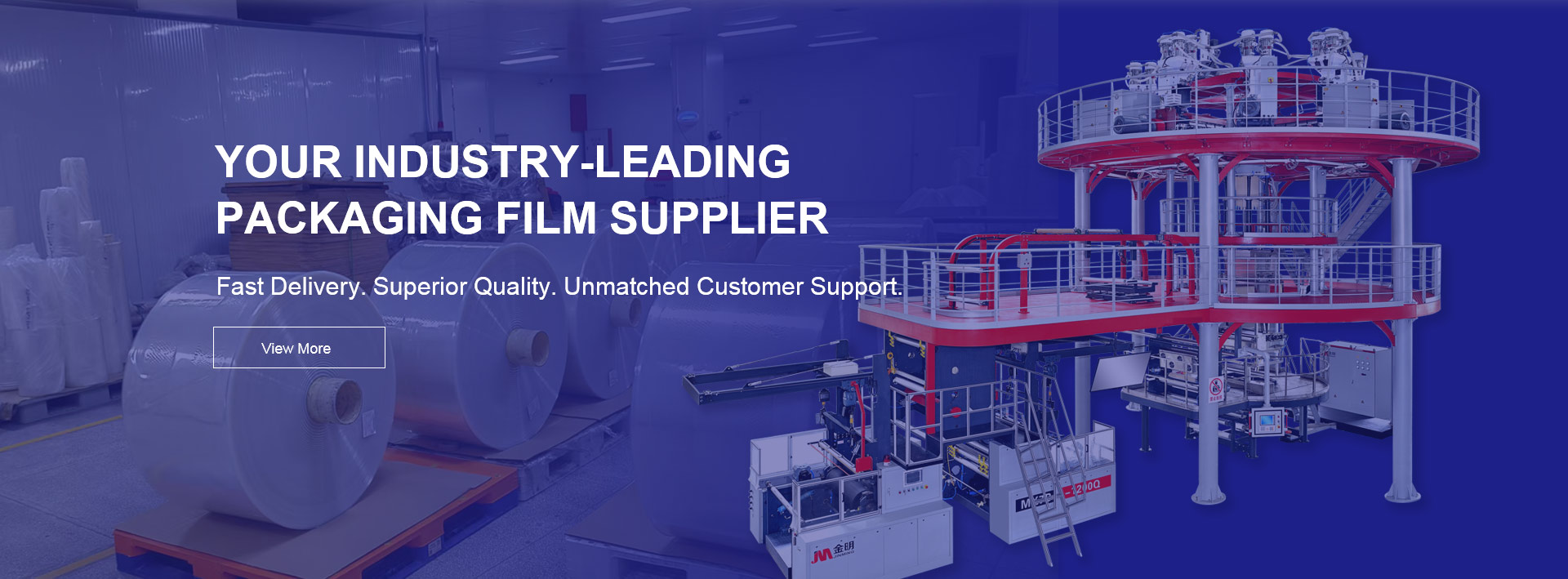
JINBORUN works as a barrier film manufacturer for food packaging applications that require stable protection through storage and delivery. We do not recommend film only by thickness. Our team reviews product shape, oil content, moisture level, packaging method, storage temperature, target shelf life, and machine type before suggesting a suitable structure.
For vacuum packaging, we focus on seal reliability and puncture resistance. For frozen food, we pay more attention to cold resistance and flexibility. For cooked food, we consider aroma retention, oil resistance, and package appearance after storage.
Laboratory data is useful, but real packing trials are more reliable. Film should be tested with actual products, actual machines, and actual storage conditions. Seal strength, drop resistance, vacuum retention, and package appearance after cold storage all help confirm whether the film is suitable.
Food packaging standards such as FDA food-contact requirements and EU Regulation No. 10/2011 focus on material safety for plastic food-contact materials. For export packaging, material compliance and performance testing should be checked together.
High barrier food film is not just a stronger plastic bag. It is a functional packaging material built to control oxygen, moisture, aroma, sealing stability, and mechanical protection. The right structure can help reduce leakage, slow spoilage, protect product appearance, and support more reliable food distribution.
JINBORUN provides practical film solutions for food processors that need stable packaging performance, consistent sealing, and better protection for chilled, frozen, and vacuum-packed food.