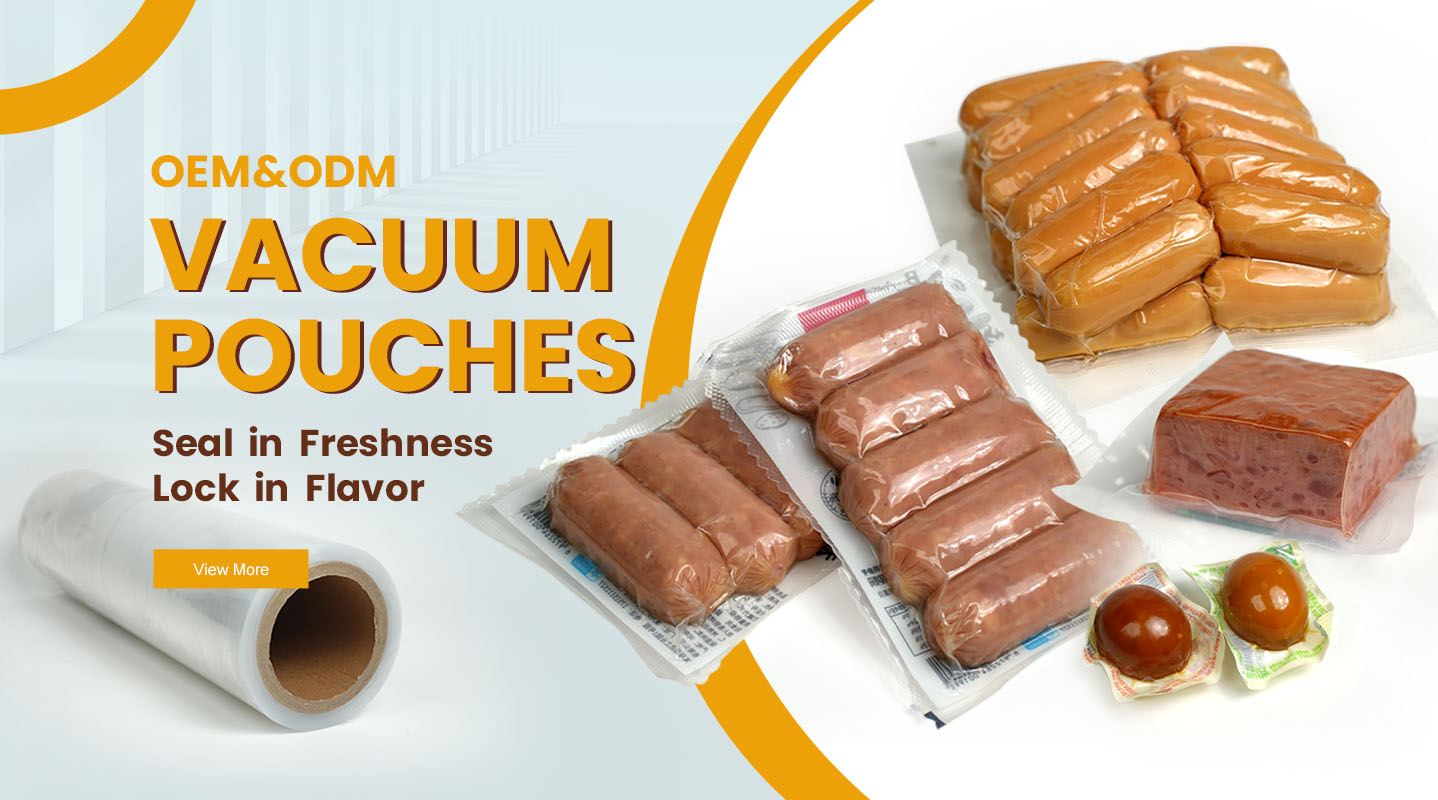
Packaging is a critical component of the food industry, ensuring that products remain fresh, safe, and appealing to consumers. However, despite advanced technology, packaging defects can still occur, leading to significant issues with product quality and consumer satisfaction. Understanding common packaging defects and the solutions to these problems is essential for businesses to maintain high standards of packaging quality.
A common issue in packaging is seal failures, where the sealing process does not properly join the two layers of film, resulting in leaks or contamination.
Cause:
Inconsistent heat sealing conditions
Poor-quality sealing material
Equipment malfunction
Solution: To prevent seal failures, manufacturers must ensure proper calibration of sealing equipment and use high-quality sealing films. Regular quality checks, including seal strength tests, should be implemented to ensure the integrity of seals.
Film wrinkling occurs when the packaging film is improperly handled, leading to visible wrinkles or creases in the final packaging.
Cause:
Incorrect film tension during processing
Inadequate film support during production
Solution: Improving film handling and tension control during the production process can prevent wrinkles. Ensuring that the film is well-supported during the entire packaging operation can also minimize this defect.
Print smearing or fading is a common defect in printed packaging, where the ink on the film is smudged or becomes unclear, making it difficult to read essential information like branding and product details.
Cause:
Poor-quality ink or printing materials
Insufficient curing or drying time after printing
Incompatibility between film material and ink
Solution: To resolve print smearing or fading, businesses should use high-quality inks and ensure proper curing times. Regular testing of print quality and compatibility with film materials is crucial to maintaining clear and legible packaging.
Pinholes or punctures in packaging films can lead to product contamination, reduced shelf life, and spoilage. These tiny holes allow moisture and air to enter the packaging.
Cause:
Rough handling during transportation
Inadequate film thickness for specific product protection
Solution: Increasing film thickness or using multi-layer films can prevent punctures. Additionally, implementing stricter handling protocols during transportation and storage can reduce the occurrence of pinholes.
In the production of laminated films, uneven laminates can occur, where one layer of film does not properly adhere to the other, leading to separation or bubbles in the film.
Cause:
Poor lamination process control
Inconsistent adhesive application
Solution: To solve uneven laminates, manufacturers need to closely monitor adhesive application and lamination speeds. Conducting routine quality checks on laminated films will help detect any issues before production continues.
Ensuring that films used in packaging meet high standards is crucial to preventing defects. Packaging quality control systems must focus on the consistency of material properties, such as thickness, barrier properties, and sealing capabilities. Regular testing, such as tensile strength and seal integrity tests, can help identify potential issues before they affect production.
Automated systems, including vision systems and sensors, can be used to identify defects in real-time during production. These systems can detect issues like poor seals, print defects, or film wrinkles, allowing for immediate corrective action before products are sent to market.
High-quality printing and laminated films can significantly reduce the occurrence of common defects. By choosing films specifically designed for print clarity and lamination stability, companies can ensure that their packaging maintains its integrity throughout its lifecycle.
Frequent maintenance of packaging equipment, such as sealing machines and printers, is essential to avoid equipment-related defects. Routine calibration and servicing help ensure that machines are functioning properly, reducing the risk of defects caused by machinery failures.
Proper training for employees on handling packaging materials and identifying potential defects can help prevent issues. By fostering a culture of quality control and awareness, companies can reduce the risk of defects occurring during the packaging process.
Packaging defects are common challenges in the industry, but with proactive solutions, businesses can minimize their impact on product quality and consumer satisfaction. By focusing on quality control, improving film and sealing processes, and using advanced technologies for detection and correction, companies can ensure that their packaging remains a strong asset in preserving product integrity and promoting brand value.