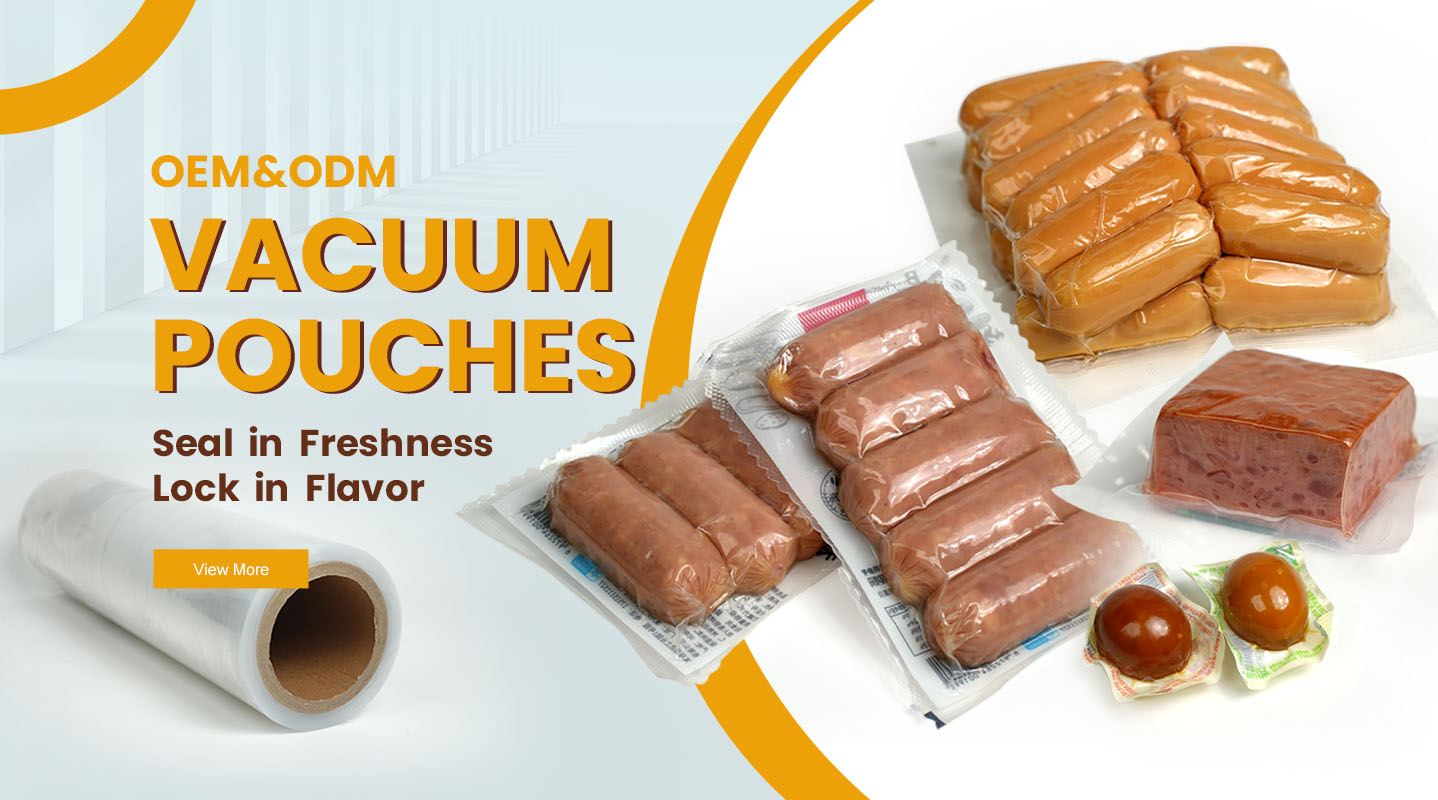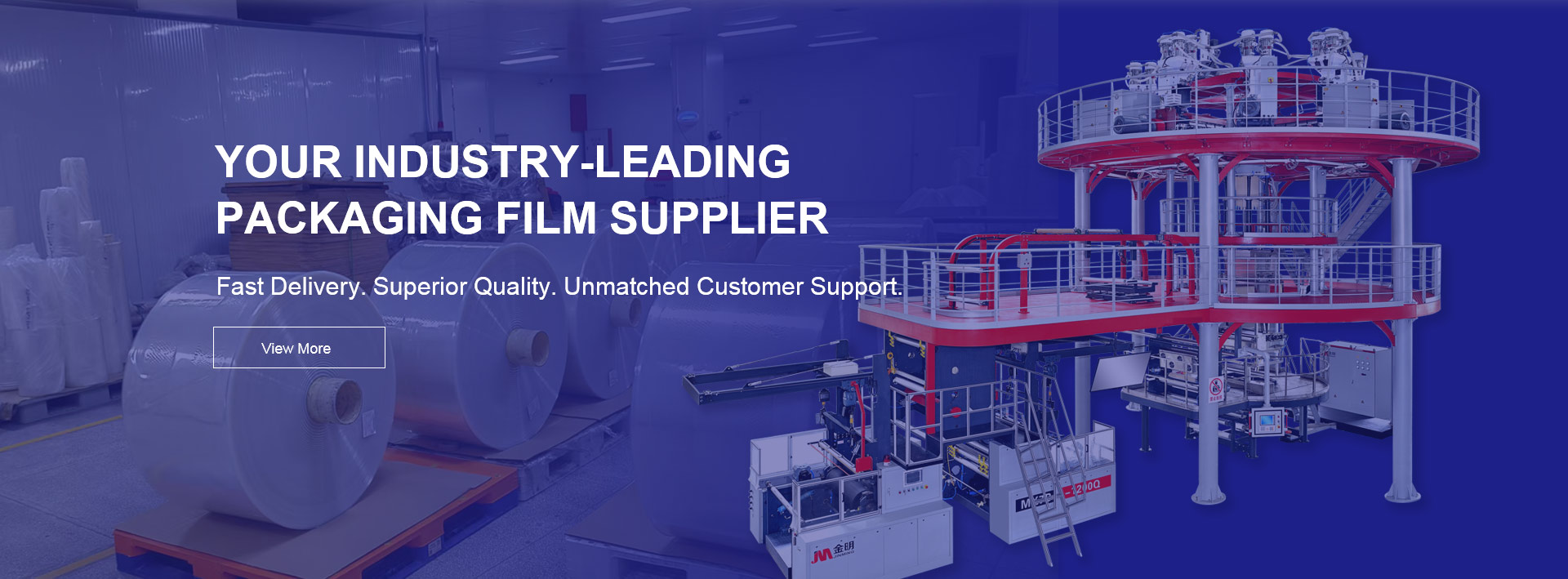
Food Packaging Film is rarely made from a single resin when the package needs strength, sealing stability, product visibility, and shelf-life protection at the same time. In practical production, many materials used in packaging film are combined into a multilayer film so each layer handles a different job. PA supports toughness and puncture resistance. PE provides sealability, flexibility, and moisture protection. EVOH works as one of the key barrier materials for oxygen-sensitive products. This is why PA PE EVOH packaging film is widely used in meat, seafood, frozen food, and vacuum packaging. JINBORUN focuses on co-extruded barrier food films and vacuum bags, with product lines covering Forming Film, barrier film, Vacuum Pouches, and printing laminated solutions for food applications.
In the packaging materials industry, film selection is based on the actual risks a product faces during storage and distribution. Oxygen can affect color, flavor, and shelf life. Moisture movement can dry out some foods and damage texture in others. Mechanical stress during vacuuming, thermoforming, stacking, and transport can create pinholes or seal failure. Because one polymer rarely performs best in every category, converters often build layered structures that balance barrier, processing, and cost. Packaging performance is commonly assessed with standardized oxygen transmission testing, and OTR values are only meaningful when temperature and humidity conditions are specified.
PA, commonly referred to as polyamide or nylon in flexible packaging, is valued for toughness, abrasion resistance, puncture resistance, and good thermoforming behavior. These properties matter in applications such as bone-in meat, seafood, or vacuum-packed products where sharp edges and handling stress can damage weaker films. Industry technical material references describe nylon-based packaging as offering strong puncture resistance and high performance in thermoforming. Advanced Packaging Association material guidance also highlights PA for strength, stiffness, toughness, and impact resistance in multilayer food packaging. In real packaging design, PA often acts as the structural layer that helps the package survive processing and logistics.
PE, or polyethylene, is one of the most widely used food packaging materials because it is flexible, efficient in sealing, and strong in moisture protection. In multilayer structures, PE is frequently used as the inner sealing layer or as an outer layer that contributes water vapor resistance and process stability. It is also a practical choice for co-extrusion because it supports machinability and cost control across large production runs. Technical packaging references consistently describe PE as a strong moisture barrier compared with many other flexible substrates, which is why it remains central in vacuum bags, sealing films, and thermoforming base webs. For manufacturers, PE is often the layer that turns a technically good structure into a commercially workable one.
EVOH, or ethylene vinyl alcohol copolymer, is added when oxygen barrier becomes critical. This is especially important for fresh meat, processed meat, cheese, ready meals, and other foods where oxygen exposure can shorten shelf life or reduce appearance quality. Kuraray EVAL technical data for EVOH grades report oxygen transmission rates as low as 0.3 cm³ for 20 micron film per square meter per day per atmosphere at 20°C and 65 percent RH for EVAL F101A, while another grade, E105B, is listed at 1.9 under the same test basis. Those figures explain why EVOH is treated as a high-barrier layer rather than a sealing or structural layer. The same data also show that humidity affects EVOH barrier performance, which is why EVOH is usually protected by surrounding layers such as PE and PA in a multilayer film design.
The real value of PA PE EVOH packaging film is not in any one resin alone, but in how the layers complement each other. PA helps the package resist puncture and hold shape. EVOH reduces oxygen ingress. PE creates reliable seals and helps manage moisture. In many food applications, this structure gives better overall performance than a single-material film because it balances barrier, durability, and pack integrity in one package.
| Material | Main Role in Film | Typical Advantage |
|---|---|---|
| PA | Structural layer | Toughness, puncture resistance, thermoforming performance |
| PE | Sealant and moisture barrier layer | Heat sealing, flexibility, water vapor resistance |
| EVOH | Oxygen barrier layer | Very low oxygen transmission under controlled conditions |
This layered logic is central to modern materials used in packaging film, especially where shelf life and leak prevention both matter.
Film selection affects more than package appearance. It shapes waste rates, sealing consistency, line efficiency, and product shelf performance. The FDA explains that food packaging and its components are regulated as food contact substances, and manufacturers must consider the regulatory status of the materials used for the intended food contact conditions. The current U.S. electronic regulations also list authorized polymer uses under 21 CFR Part 177, including relevant polymer categories used in laminate and food-contact structures. For buyers, this means a suitable film is not chosen by thickness alone. It must also match product type, barrier target, process temperature, and compliance needs.
JINBORUN is positioned around co-extruded barrier food film rather than generic plastic film supply. Its site states that the company was established in 2016, has more than 150 employees, and focuses on co-extrusion barrier food film and vacuum bags. Its range includes food forming film, barrier forming film, vacuum pouches, and printing laminated film, with application coverage for meat, seafood, frozen food, sausage, snacks, and vacuum packaging. That manufacturing focus matters because high-barrier structures require more than raw material knowledge. They also depend on stable layer distribution, sealing behavior, and film consistency from batch to batch.
PA, PE, and EVOH each solve a different packaging problem. PA brings toughness. PE supports sealing and moisture control. EVOH protects against oxygen when shelf life is a priority. That is why these resins remain core barrier materials in high-performance food packaging film. For food manufacturers evaluating structures for vacuum packaging, thermoforming, or fresh product protection, the most effective approach is usually to match the layer design to the product risk rather than chase a single low-cost resin. JINBORUN’s focus on co-extruded barrier solutions makes it well suited for buyers who need packaging film with balanced barrier, processability, and production consistency.
Previous: