Selecting a packaging film supplier is no longer only about price. In food and industrial packaging, the right supplier affects seal integrity, shelf life, line efficiency, compliance risk, and reorder stability. That is why buyers increasingly look at certifications, production strength, and quality control before placing long-term orders. The market context also supports this stricter approach. Grand View Research estimates the global flexible packaging market at USD 293.92 billion in 2025, while MarketsandMarkets values the food packaging market at USD 421.38 billion in 2025 and projects further steady growth. In a growing flexible packaging industry, supplier mistakes become expensive very quickly.
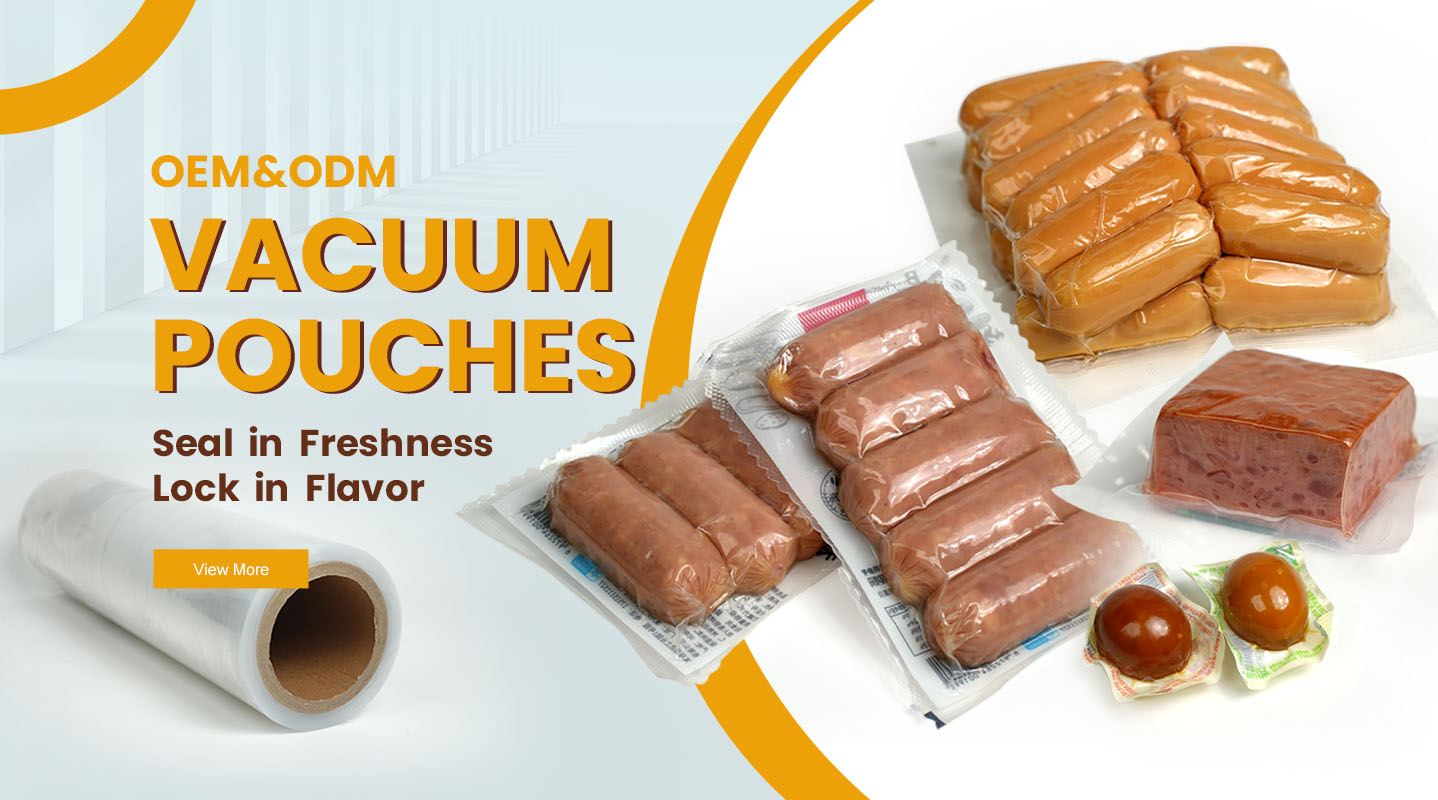
For companies sourcing barrier films, thermoForming Films, Vacuum Pouches, and Food Packaging Film, the safer path is to evaluate a supplier as a manufacturing partner rather than only a quote provider. JINBORUN fits this direction well. According to its official website, the company was established in 2016, has more than 150 employees, and focuses on co-extrusion barrier food film, vacuum bags, forming film, barrier forming film, and printing and laminated film. Its listed product range covers frozen food, meat, seafood, sausage, fish, egg products, vacuum pouches, thermoforming film, and barrier film structures.
A reliable packaging film manufacturer should be able to discuss regulatory suitability clearly and early. For food-contact applications, this means understanding the intended market, resin system, migration requirements, and supporting declarations. In the United States, the FDA explains that food contact substances include packaging and packaging components that come into contact with food. In the European Union, Regulation EU No 10/2011 sets specific requirements for plastic materials intended to contact food. A supplier that cannot explain these frameworks may still produce film, but it is harder to trust them for stable export business.
When discussing certifications, buyers should check more than whether a certificate exists. The key is whether the supplier can match compliance documents to the exact structure being ordered. That includes resin combinations, barrier layers, sealant layers, printing or lamination status, and the target use conditions. This matters especially in OEM packaging, where design changes often affect the final compliance file. A dependable supplier should also be able to state which markets the film structure is intended for and whether test reports or declarations can be updated when specifications change.
Capacity is not only total output. It is the ability to keep delivery stable across repeated runs. A good way to choose packaging supplier options is to ask how they manage production planning, material sourcing, line scheduling, and repeat orders for the same structure. Film supply problems often appear not in the first sample batch, but in the third or fifth production cycle when demand rises or specifications tighten.
JINBORUN presents itself as a specialized film manufacturer with advanced facilities and technical advantages, and its catalog shows a fairly broad product matrix rather than a single-item offer. Its website lists 17 products under Food Packaging Film and 8 under Barrier Film For Food Packaging, including films for frozen food, fish, meat, bacon, sausage, egg products, and puncture-resistant structures for bone-containing products. That breadth usually suggests stronger conversion capability for customers who need several related SKUs from one source.
| Checkpoint | Why it matters |
|---|---|
| Product range coverage | Shows whether the supplier can support multiple packaging formats |
| Repeat order consistency | Helps reduce variation across different production lots |
| Lead time control | Protects launch schedules and seasonal demand |
| Technical support speed | Important when sealing, barrier, or forming issues appear |
| Customization handling | Critical for printed and structure-specific orders |
A supplier with stronger category coverage can usually respond faster when one structure needs to be upgraded from medium barrier to high barrier, or when a pouch program needs to move into forming film. That is valuable in the flexible packaging industry, where packaging lines and shelf-life targets often change over time.
Quality control is where many supplier evaluations become too shallow. A film can look acceptable in photos and still fail in production because of thickness variation, unstable sealing, poor puncture resistance, or barrier inconsistency. For that reason, a serious supplier review should include incoming material control, in-process checks, finished roll inspection, and batch traceability.
JINBORUN emphasizes co-extrusion barrier food films and vacuum packaging materials, and several product descriptions on its site highlight low-temperature stability, moisture resistance, oxygen barrier performance, high transparency, and puncture resistance for demanding food applications. These are relevant performance points because frozen products, meat products, and bone-in foods all place different stress on the packaging structure. A supplier that can discuss these performance differences in application terms is usually more dependable than one offering only generic film language.
In practical terms, buyers should confirm whether the supplier checks the following items consistently:
film thickness consistency
seal strength performance
oxygen and moisture barrier suitability
puncture resistance for sharp-content packs
transparency and print appearance
roll winding quality and forming stability
This is especially important for Food Packaging Film, because film failure can affect both product safety and shelf presentation. FDA guidance makes clear that food-contact packaging is part of the safety chain, not just an outer wrap.
A reliable packaging film manufacturer should be able to recommend structures according to product type. JINBORUN’s site shows this application-based thinking clearly. It lists films for frozen food, beef, fish, seafood, sausage, eggs, spicy snacks, and bone-containing products, with material references including PA, EVOH, PE, and PP in some structures. That matters because the correct film is determined by oxygen sensitivity, puncture risk, low-temperature storage, forming depth, and display needs.
For example, bone-containing products need stronger puncture resistance, while frozen food requires reliable sealing and performance under very low temperatures. Transparent films for fresh products need visual clarity as well as barrier control. When a supplier can match film design to the actual product and line condition, the sourcing process becomes more predictable and waste is easier to control. That is a strong sign when you choose packaging supplier candidates for long-term cooperation.
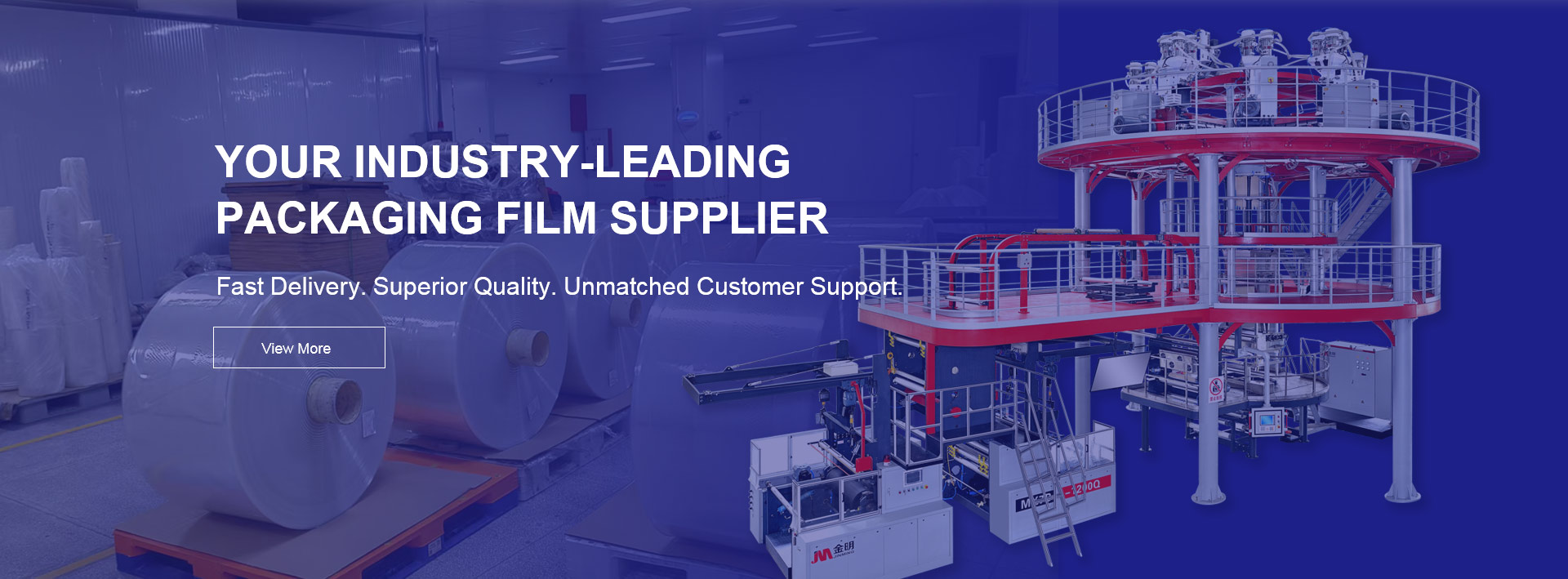
From a manufacturing perspective, JINBORUN offers several advantages that matter in real sourcing decisions: focused specialization in co-extrusion barrier packaging, more than 150 employees, an established base since 2016, and a product portfolio that covers multiple food packaging needs from vacuum pouches to barrier forming films. Its range supports standard supply as well as OEM packaging requirements for customized structures and packaging formats.
A capable supplier should help reduce trial-and-error costs, not increase them. That is why certifications, capacity, and quality control should be reviewed together, not separately. In today’s expanding flexible packaging industry, the best supplier is the one that combines compliance awareness, stable manufacturing, technical understanding, and consistent execution. JINBORUN shows these strengths through its specialization, product depth, and clear focus on packaging films for demanding food applications.
When evaluating your next packaging film supplier, focus on who can support repeatable quality, application-specific design, and dependable communication from sampling to mass production. That standard leads to better packaging performance and fewer supply risks over time.