When buyers compare thermoForming Film vs Vacuum Pouch, the better choice is rarely about price alone. It depends on product shape, line speed, puncture risk, shelf presentation, and the level of barrier protection needed during storage and transport. For food processors handling meat, seafood, cheese, prepared foods, or bone-in cuts, packaging must protect quality while supporting efficient packing operations. Data from FAO shows that more than 13 percent of food produced globally is lost in the supply chain before retail, which is why packaging performance has a direct effect on waste control and product value.
JINBORUN focuses on co-extrusion barrier food film and vacuum bags, with product lines covering forming film, barrier film, vacuum pouch, and printed laminated film. The company states that it was established in 2016, has more than 150 employees, and supplies packaging for meat, sausage, bacon, beef, cheese, seafood, and egg products. That manufacturing focus matters because the right supplier should understand both material structure and actual filling conditions on the packing floor.
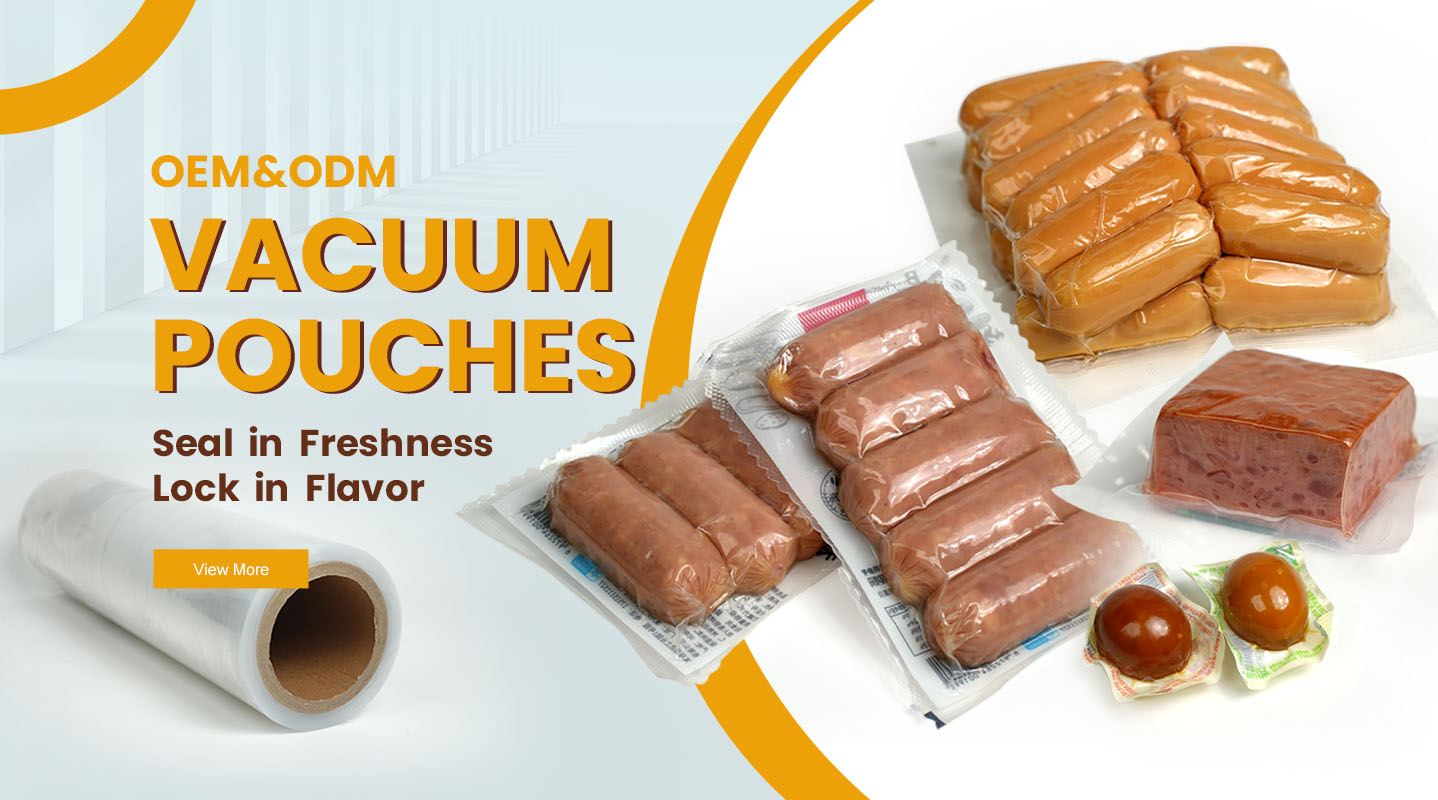
A vacuum pouch is a pre-made bag. The product is inserted into the pouch, air is removed, and the package is sealed. This format is widely used for smaller batch packing, simpler manual or semi-automatic lines, and products that need packaging flexibility across many SKUs. It is practical when packers want quick changeovers and do not need deep draw forming on the line. JINBORUN notes that its vacuum pouch range is customized for seafood, snack food, cooked food, and agricultural products.
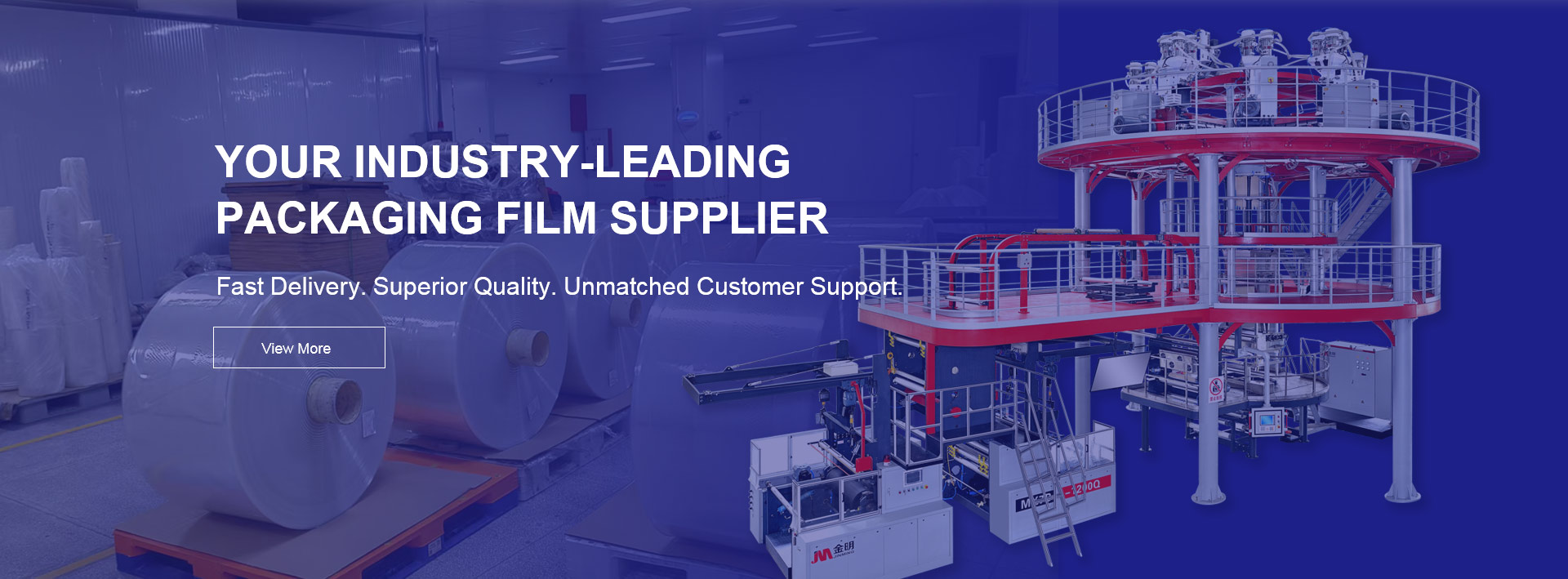
Thermoforming film is a rollstock material used on automatic thermoforming equipment. The bottom web is heated and formed into a cavity, the product is loaded, then the top web seals the pack. JINBORUN specifically presents its Vacuum Thermoforming Film for automatic vacuum thermoforming machines and lists applications such as meat, sausage, bacon, beef, cheese, seafood, and egg packaging. In practical terms, this format is stronger when a processor wants higher automation, cleaner pack geometry, and more efficient use of high-volume lines.
The core technical issue in flexible packaging is oxygen and moisture control. Packaging World explains that oxygen transmission rate is measured as the steady-state diffusion of oxygen through a material under standardized conditions. For oxygen-sensitive foods, lower transmission usually supports better color retention, reduced oxidation, and more stable shelf life.
That is why barrier structure often decides the packaging format. A pouch may be fully adequate for cooked meat, frozen products, or standard chilled items. But when the line handles fresh protein with strict appearance targets, thermoforming stretch film and other forming structures can offer better cavity shaping, tighter product fit, and more consistent sealing in automated production. Research published in 2024 found that thermoforming vacuum packaging reduced deterioration in ground beef color and oxidation during cold storage. Another 2024 study on pork loin chops noted that improvements in vacuum packaging technologies such as thermoforming films may support longer storage periods in retail display.
| Factor | Thermoforming Film | Vacuum Pouch |
|---|---|---|
| Packing method | Rollstock on automatic lines | Pre-made bag filling |
| Best line type | High-volume automated production | Manual or semi-automatic production |
| Pack shape | Custom formed cavity, neat presentation | More flexible but less structured |
| Efficiency | Better for continuous runs and repeat SKUs | Better for mixed products and short runs |
| Puncture handling | Strong option for bone-in and sharp products when specified correctly | Good, but structure selection is critical |
| Material use | Can reduce handling steps on integrated lines | Simple inventory and easy format changes |
| Common use | Meat, cheese, seafood, prepared foods | Frozen foods, cooked foods, snacks, agricultural products |
This comparison shows why best packaging for food processing is not one universal format. It is a match between product risk and production method. JINBORUN even highlights bone-containing vacuum forming film as a solution with high strength and puncture resistance, which directly addresses one of the most common issues in protein packaging.
Thermoforming film is usually the better option when processors need stable automation, tidy shelf appearance, and repeatable pack dimensions. It is especially useful for fresh meat, bacon, cheese, seafood portions, and products that benefit from consistent cavity depth and stronger line integration. For processors running large volumes, the advantage is not only visual quality but also better workflow consistency from forming to sealing. Packaging industry reporting also notes continuing growth in thermoforming machinery demand, reflecting how many operations now prioritize automation and throughput.
It is also a strong option when product protection must go beyond basic vacuum sealing. For fresh proteins, better control of oxygen exposure can help maintain product appearance longer. For bone-in or irregular products, a properly specified forming film structure may reduce leakers and rework. That has a direct cost impact at scale.
A vacuum pouch is often the better fit when operations need flexibility, simpler equipment investment, and convenient handling across many product types. It works well for smaller production runs, mixed SKU environments, cooked food, frozen food, and products packed outside a fully automated rollstock line. It is also easier for some exporters and regional processors that want dependable barrier packaging without committing to thermoforming equipment.
Shelf-life needs should still be assessed carefully. The UK Food Standards Agency notes that chilled vacuum-packed foods with a shelf life beyond 10 days require additional controlling factors for safety. This is a reminder that no package format works alone. Material selection, product characteristics, cold chain, and process control must be aligned.
The most effective food packaging solutions start with five questions:
Flat portions and uniform cuts often run efficiently on thermoforming lines. Irregular or small-batch products may suit pouch filling better.
Bone-in meat and sharp-edged products need higher puncture resistance. JINBORUN specifically offers forming film for this demand.
High-volume lines usually favor thermoforming film. Lower-volume or multi-SKU production often favors pouch formats.
Thermoformed packs usually deliver cleaner geometry and stronger retail presentation. Pouches remain practical where display format is less critical.
Barrier level should match the food, storage period, and distribution route. OTR and seal integrity should be checked against the product requirement, not chosen by habit.
So, in thermoforming film vs vacuum pouch, neither is automatically better. Thermoforming film is often the stronger choice for automated lines, fresh protein presentation, and structured packs with consistent dimensions. Vacuum pouch is often the smarter choice for flexible operations, smaller runs, and simpler packing systems. The right answer comes from matching material structure, barrier target, puncture resistance, and production setup.
JINBORUN’s advantage is that it covers both thermoforming film and vacuum pouch categories, with a product range built around co-extrusion barrier food packaging and applications across meat, seafood, cheese, egg products, and prepared foods. That gives buyers more room to choose the format that fits real processing conditions instead of forcing one packaging route onto every product. If you are reviewing packaging options for your product line, a material recommendation based on product type, pack format, and line condition will lead to a much more reliable result.