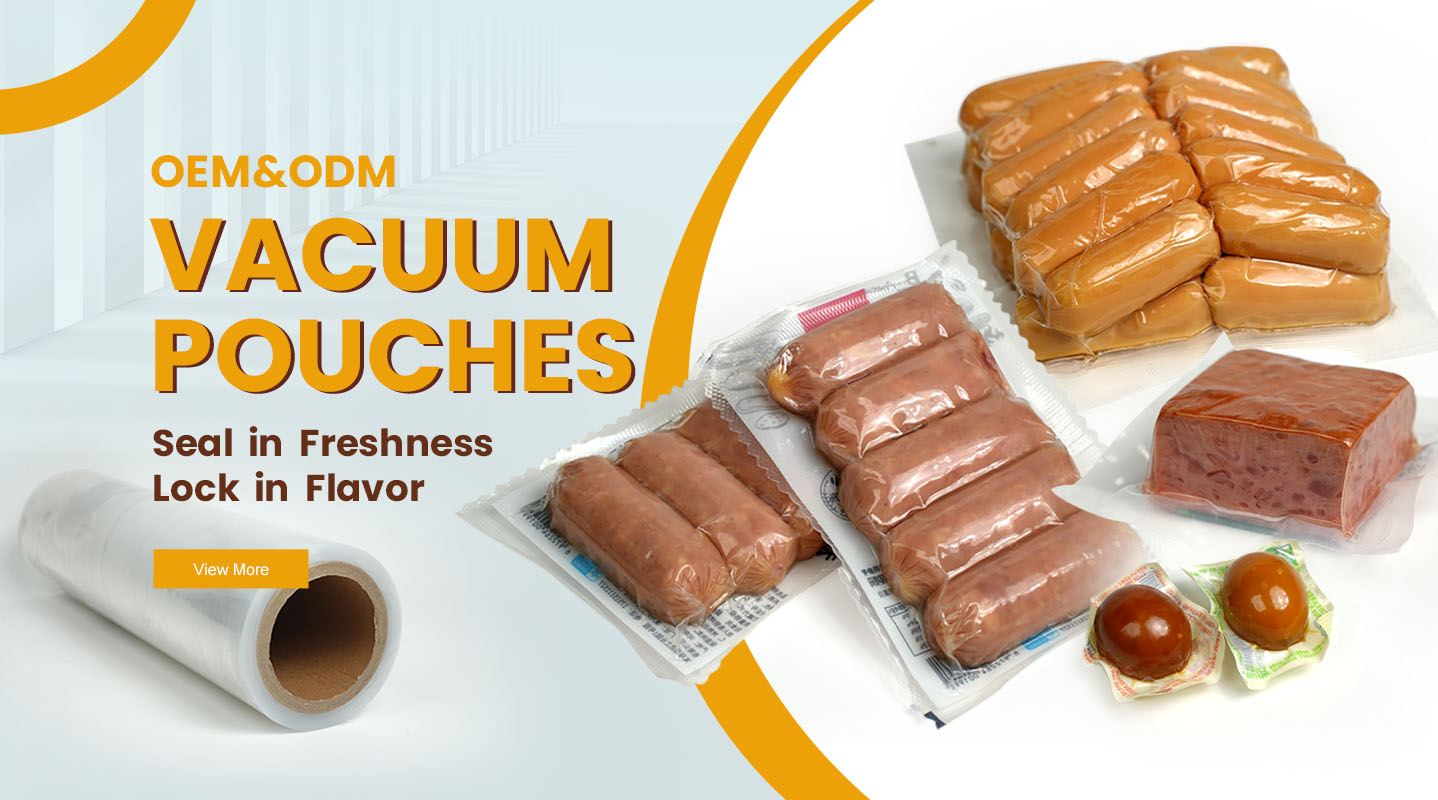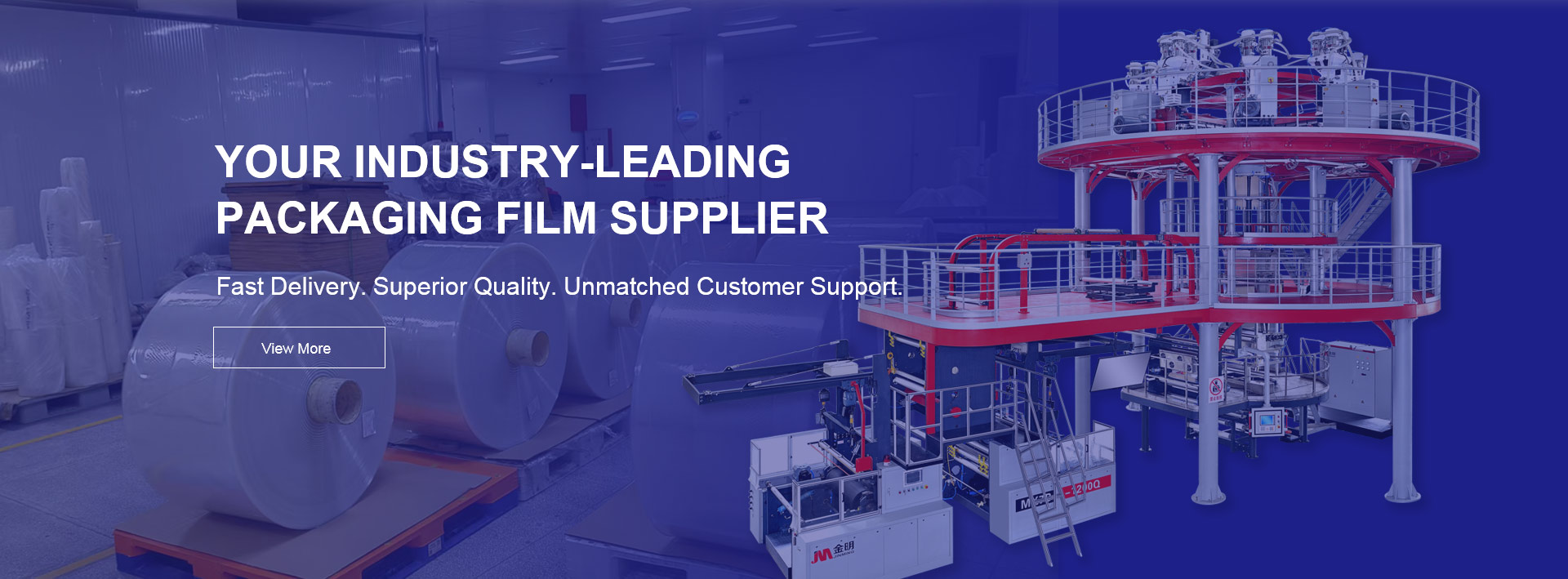
In modern food plants, thermoForming Film is more than a wrapping material. It is a process material that becomes part of the packaging line itself. The film is heated, formed into a cavity, filled with product, vacuumed or gas flushed, and then sealed with a top web in one continuous operation. That is why it is widely used as a film for automatic packaging machines where output stability, hygiene, seal integrity, and shelf-life control all matter at the same time. JINBORUN focuses on co-extrusion barrier food film and vacuum bags, and its product range includes food forming film, barrier forming film, Vacuum Pouches, and Printing And Laminated Film. The company states that it was established in 2016 and has more than 150 employees, which gives buyers a clearer picture of its manufacturing base and supply capability.
On an automatic thermoforming line, the forming film, bottom film serves as the lower web that shapes the pack cavity. After heating, the machine draws the film into a mold, creating a custom pocket for meat, seafood, cheese, egg products, and other products that need close-fit barrier packaging. JINBORUN’s own product information shows that its Vacuum Thermoforming Film is used with automatic vacuum thermoforming machines for meat, sausage, bacon, beef, cheese, seafood, and egg packaging. This makes the material especially relevant for processors that need repeatable pack dimensions and reliable sealing performance across long production runs.
The reason this format matters in the packaging automation industry is simple: the film must run well, form well, and protect well. MULTIVAC describes thermoformable films as materials for vacuum, MAP, and vacuum skin packs that support high output and process reliability. It also lists flexible film thicknesses from 100 μm to 350 μm and rigid films from 200 μm to 1,100 μm, showing how widely thermoforming structures can be engineered for different products and line conditions. That flexibility helps manufacturers match film structure to cavity depth, puncture risk, sealing window, and machine speed.
For food processors, thermoforming film for food packaging is mainly used to create a pack that protects product quality while fitting into an efficient inline process. In reduced oxygen packaging, limiting oxygen helps slow spoilage. Minnesota food safety guidance states that reduced oxygen packaging is intended to extend shelf life by preventing the growth of most spoilage organisms. The Food Standards Agency in the UK also notes that vacuum packaging and MAP can increase shelf life of chilled foods by limiting the growth of microorganisms. In practical purchasing terms, that means the right film contributes not only to presentation, but also to waste control, logistics performance, and distribution stability.
This point matters because shelf life is not a minor issue. FAO reports that about 30 percent of food produced for human consumption is lost or wasted each year, equivalent to 1.3 billion tonnes. Packaging alone does not solve that problem, but barrier packaging that supports vacuum or MAP can reduce quality loss during storage and transport. For factories selling chilled proteins, prepared foods, and export-oriented items, that makes thermoforming film for food packaging a production decision tied directly to margin protection.
Not every bottom web performs the same way. A Multilayer Vacuum Thermoforming Film is often chosen because automation lines need several properties at once: formability, puncture resistance, barrier performance, sealability, and machinability. JINBORUN highlights this product category directly in its portfolio, and it also lists specialized variants such as bone-containing vacuum forming film, which points to the practical need for stronger packaging around sharp-edged products.
A peer-reviewed study published in Polymers showed why multilayer design matters. EVOH-containing multilayer sheets in the study delivered oxygen transmission rates below 2 cc/m²·day·atm, a level the paper identifies as suitable for shelf-stable food applications. The same study also found that thermoforming can reduce thickness in critical areas. For example, one PA/PE structure decreased from 166 μm in sheet form to 95 μm in a formed area, while oxygen transmission rose from 14.3 to 26.47 cc/m²·day·atm. This is exactly why film selection cannot be based on nominal thickness alone. Buyers need to consider what happens after forming, not just before forming.
A good purchasing review should connect film properties to real line conditions. The first point is product type. Soft cheese, sliced meat, seafood, and bone-in protein do not place the same demands on the lower web. The second point is forming depth. Deeper cavities can create more thinning, which may weaken barrier performance in corners and walls. The third point is machine compatibility. High-speed lines need a film that feeds consistently, heats evenly, and seals within a stable process window. The fourth point is application target, since vacuum packs, MAP packs, and skin packs need different balances of stiffness and barrier. MULTIVAC and PMMI both emphasize the importance of process reliability, flexibility, and reduced downtime in automated packaging systems.
| Packaging need | What the film must do | Why it matters on line |
|---|---|---|
| Deep cavity pack | Maintain thickness after forming | Helps preserve barrier and pack strength |
| Bone-in or sharp product | Improve puncture resistance | Reduces leakage and rejects |
| Vacuum packaging | Support tight forming and strong sealing | Improves appearance and package integrity |
| MAP packaging | Control gas barrier performance | Supports shelf-life targets |
| High-output automation | Run with stable heating and forming behavior | Reduces stoppage and variation |
The broader investment trend also supports this direction. PMMI reported that U.S. packaging machinery shipments grew 5.8 percent in 2023 to 10.9 billion dollars, showing continued capital movement toward more capable and more automated lines. As automation expands, buyers pay closer attention to materials that keep machines running consistently, not just materials with a low unit price.
From a manufacturing perspective, JINBORUN presents a focused product range rather than a scattered catalog. Its offerings cover forming film, barrier film, vacuum pouches, and laminated film, with direct relevance to food processors using automated vacuum and thermoforming equipment. That specialization is valuable because the best supplier is usually the one that understands how film structure, forming depth, seal behavior, and food category interact on the line.
So, what is thermoforming film used for? It is used to create formed bottom cavities on automated packaging lines, protect food through vacuum or gas-barrier packaging, and keep production efficient at scale. In real factory use, the right thermoforming film is not just packaging material. It is a line-performance material that affects output, waste, shelf life, and pack consistency. JINBORUN’s focus on co-extrusion barrier films and Multilayer Vacuum Thermoforming Film makes it relevant for manufacturers looking for dependable forming solutions in automated food packaging. For companies evaluating the next forming film, bottom film for their line, the most important question is how the film performs after forming, sealing, and transport, not only how it looks on a specification sheet.