Frozen products place unusual stress on packaging. At 0°F and below, food stays microbiologically stable, but packaging performance becomes harder to maintain because cold temperatures reduce flexibility, sharp product edges increase the risk of puncture, and poor sealing can accelerate moisture loss that leads to freezer burn. USDA guidance also notes that frozen food remains safe indefinitely at 0°F, while packaging quality directly affects appearance, texture, and flavor during storage.
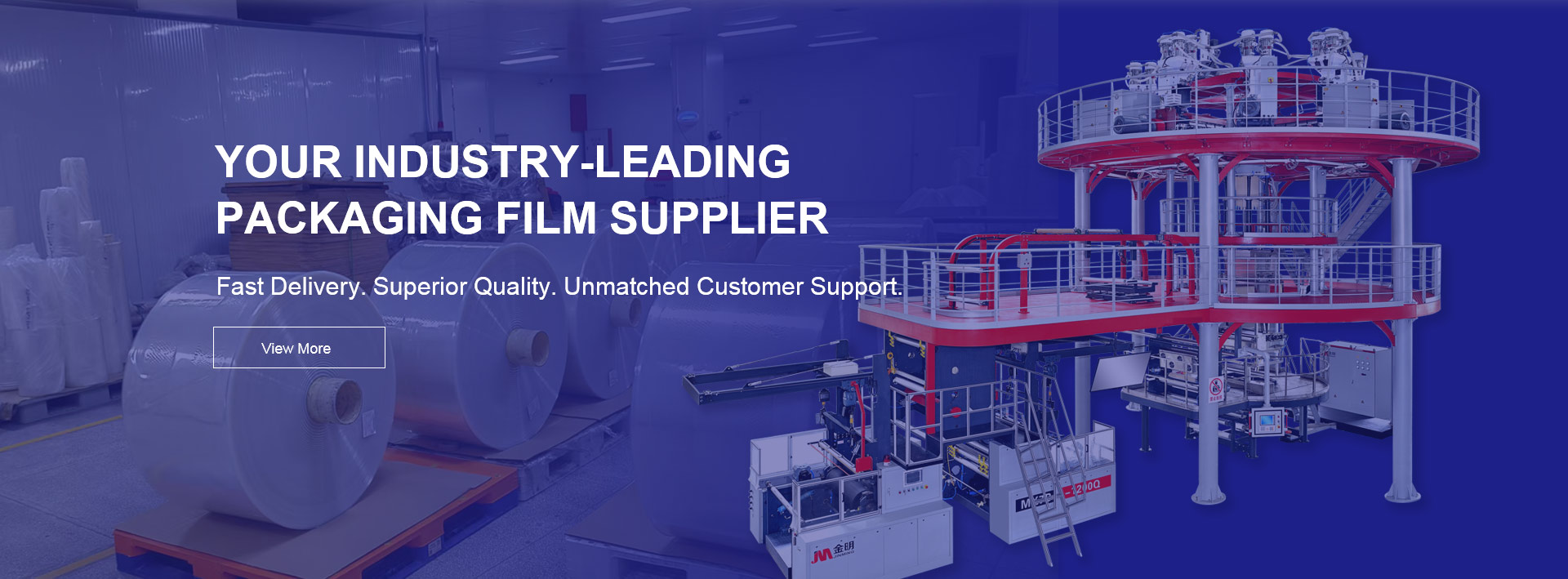
That is why the right frozen Food Packaging Film is rarely a single-material answer. For frozen dumplings, meat cuts, seafood, vegetables, and prepared meals, the best structure is usually a multilayer flexible film designed to combine low-temperature toughness, seal reliability, moisture protection, and enough puncture resistance for rough handling in filling lines, cartons, cold rooms, and transport. JINBORUN focuses on this direction through co-extrusion barrier food film, Vacuum Pouches, Forming Film, and customized laminated solutions for frozen and chilled food applications. The company states that it operates with more than 150 employees and specializes in co-extrusion barrier food film and vacuum bags for food packaging.
In frozen distribution, packaging failure usually begins with brittleness or seal weakness. A film that performs well at room temperature may become less forgiving after freezing, especially when the product has hard corners, bones, shells, or ice crystals. Universities and food preservation authorities consistently emphasize that moisture-resistant, airtight packaging is essential because moisture loss at the food surface causes freezer burn and quality decline. For commercial packs, this means film selection must protect not only shelf life but also pack integrity through repeated handling.
For that reason, polyethylene-based sealing layers remain important in cold storage packaging. Technical materials references describe LDPE as tough, flexible, and strong in low-temperature conditions, while broader packaging references note that polyethylene film has relatively low water vapor permeability and good heat sealability. These properties make PE useful as the inner or outer functional layer in packaging film for low temperature storage, especially when paired with higher-barrier layers in a co-extruded structure.
Cold resistance means the film can stay flexible instead of becoming fragile during freezing, warehousing, and shipment. This is essential for bags and thermoforming webs used with frozen seafood, prepared meals, and film for frozen meat packaging. A cold-resistant structure helps the package absorb impact during carton stacking, pallet transfer, and drop events without cracking at folds or seals. PE and EVA-rich sealing systems are often selected for this reason because increasing vinyl acetate content in EVA improves flexibility and resilience while lowering the softening point, which is valuable in freezer-use structures.
Puncture strength is critical because frozen products often present concentrated pressure points. Bone-in meat, shellfish, irregular seafood cuts, and tightly frozen corners can damage weak film during transport. Industry testing commonly uses ASTM D1709 and ISO 7765-1 to evaluate impact resistance in plastic film, and ASTM D1709 remains a recognized standard for comparing film toughness. In practical packaging development, better puncture performance reduces leakage, protects barrier performance, and lowers complaint rates after thawing or retail display.
The most effective answer for frozen food is typically a multilayer co-extruded or laminated flexible film rather than a simple monolayer. Each layer serves a job.
| Requirement | Useful film component | Why it matters for frozen food |
|---|---|---|
| Low-temperature flexibility | PE or EVA-based seal layer | Helps the pack stay tough and sealable in freezer conditions |
| Moisture protection | Polyethylene layer | Low water vapor permeability helps reduce moisture loss and freezer burn risk |
| Oxygen barrier | EVOH barrier layer | EVOH is widely used for oxygen barrier in food packaging and is often used as a thin internal layer in multilayer films |
| Mechanical protection | Thicker or tougher outer web | Improves puncture and impact resistance during handling and shipment |
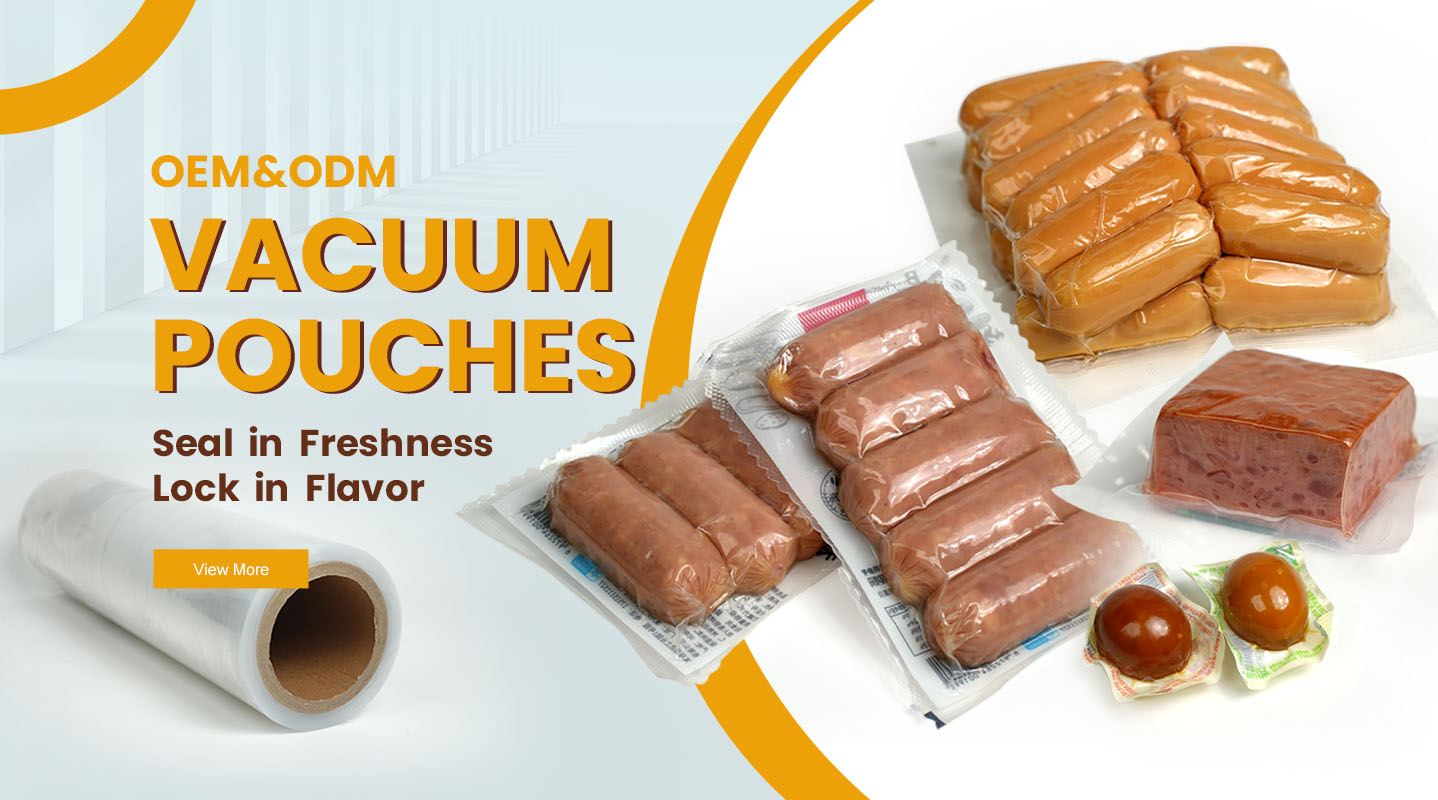
This structure is especially effective when the product needs vacuum packaging or thermoforming. JINBORUN’s catalog reflects that need, with vacuum pouches, forming film, barrier film, Seafood Vacuum Packaging Film, and frozen meat film options already aligned with frozen-food processing lines. That makes JINBORUN a practical food packaging manufacturer for projects that need both barrier performance and format flexibility.
Not every frozen product needs the same structure.
For frozen meat packaging, puncture resistance usually comes before appearance because sharp edges, harder surfaces, and dense packing increase abuse during boxing and pallet movement. A tougher thermoforming bottom web or reinforced vacuum pouch is often the safer choice, especially for bone-in or irregular cuts.
For seafood and moisture-sensitive products, barrier control becomes more important. Fish and seafood lose value quickly when moisture loss, oxidation, or seal failure changes texture or surface appearance. JINBORUN’s seafood-focused film offerings show why processors often prefer barrier-oriented vacuum or forming structures in this category.
For frozen prepared foods, dumplings, vegetables, and bakery items, the best result often comes from balancing seal integrity, printability, and low-temperature flexibility. These products may not require the same puncture level as bone-in meat, but they still need stable seals and moisture resistance across long freezer cycles. JINBORUN’s frozen food film page specifically positions its film for dumplings, glutinous rice balls, buns, meat, seafood, fruits, and vegetables, showing broad suitability across different frozen formats.
Performance alone is not enough. Frozen food film must also meet food-contact requirements in the target market. FDA states that food-contact materials must comply with the regulatory status of each component and that manufacturers must ensure authorized use conditions are met. For export-oriented frozen packaging, that means resin selection, additives, inks, adhesives, and process control all need to align with the final food-contact application.
This is another reason to work with a manufacturer that understands material structure rather than only finished bag appearance. JINBORUN’s focus on co-extrusion barrier food film, vacuum bags, and custom laminated solutions gives it an advantage when frozen packaging projects require tailored film thickness, barrier level, sealing behavior, or print structure for different foods and line conditions.
So, what film works for frozen food packaging? The best choice is usually a multilayer flexible film built around low-temperature toughness, dependable seals, moisture protection, and verified puncture strength. PE-based sealing layers support flexibility and water-vapor resistance, EVOH adds oxygen barrier where shelf-life protection matters, and overall structure design determines whether the pack survives real freezer logistics. For meat, seafood, and other demanding frozen products, co-extruded vacuum and thermoforming films are often the most reliable option. JINBORUN is well positioned in this area because its product range already covers barrier food film, vacuum pouches, forming film, and application-specific solutions for frozen foods.