Laminated Food Packaging Films are multi-layer structures where two or more materials are bonded together to deliver a set of performance targets that a single layer usually cannot achieve. From a manufacturer’s standpoint, lamination is less about “adding layers” and more about engineering the right barrier, strength, sealing behavior, print quality, and shelf-life protection for each food category and distribution chain.
For food producers, the biggest business impact is simple: better product stability, fewer returns, and more consistent packing-line efficiency. This matters even more when you consider the scale of food loss and waste globally. Multiple global references commonly cite that roughly one-third of food produced is lost or wasted, often tied to spoilage and supply-chain inefficiencies. (PMC)
A laminated film typically combines layers with different jobs:
Outer layer for stiffness, gloss or matte finish, and print performance
Core barrier layer to reduce oxygen or moisture transfer
Sealant layer for heat sealing, hot tack, and packaging-line stability
In practice, the “right” laminate is driven by what degrades your product fastest: oxygen, moisture, light, aroma loss, or mechanical damage.
Many foods oxidize or stale when exposed to oxygen. In packaging, oxygen barrier is often described using OTR, Oxygen Transmission Rate. A commonly used industry benchmark considers films with OTR below 15.5 cc/m² per 24 hours as “high oxygen barrier.”
For applications that require very high oxygen protection, technical data sheets for barrier films can go further. For example, some high-barrier nylon films specify OTR below 2 cc/m² per 24 hours in recommended use cases such as dairy and meats.
Moisture control is equally important for products like powdered mixes, snacks, coffee, and spices. In moisture-barrier discussions you will often see MVTR or WVTR. Some industry examples of foil-based laminate structures cite MVTR below 0.05 g/m²/day under specified test methods for high moisture barrier applications. Test standards such as ASTM methods are widely used to measure water vapor transmission through flexible barrier materials.
What this means operationally: better barrier reduces the risk of early flavor loss, oxidation notes, sogginess, clumping, and color change—so your product performs more consistently from factory to shelf.
Laminated structures are designed to improve:
Puncture resistance for sharp or irregular products
Tear control to reduce in-transit failures
Heat resistance and stiffness for higher-speed forming and sealing
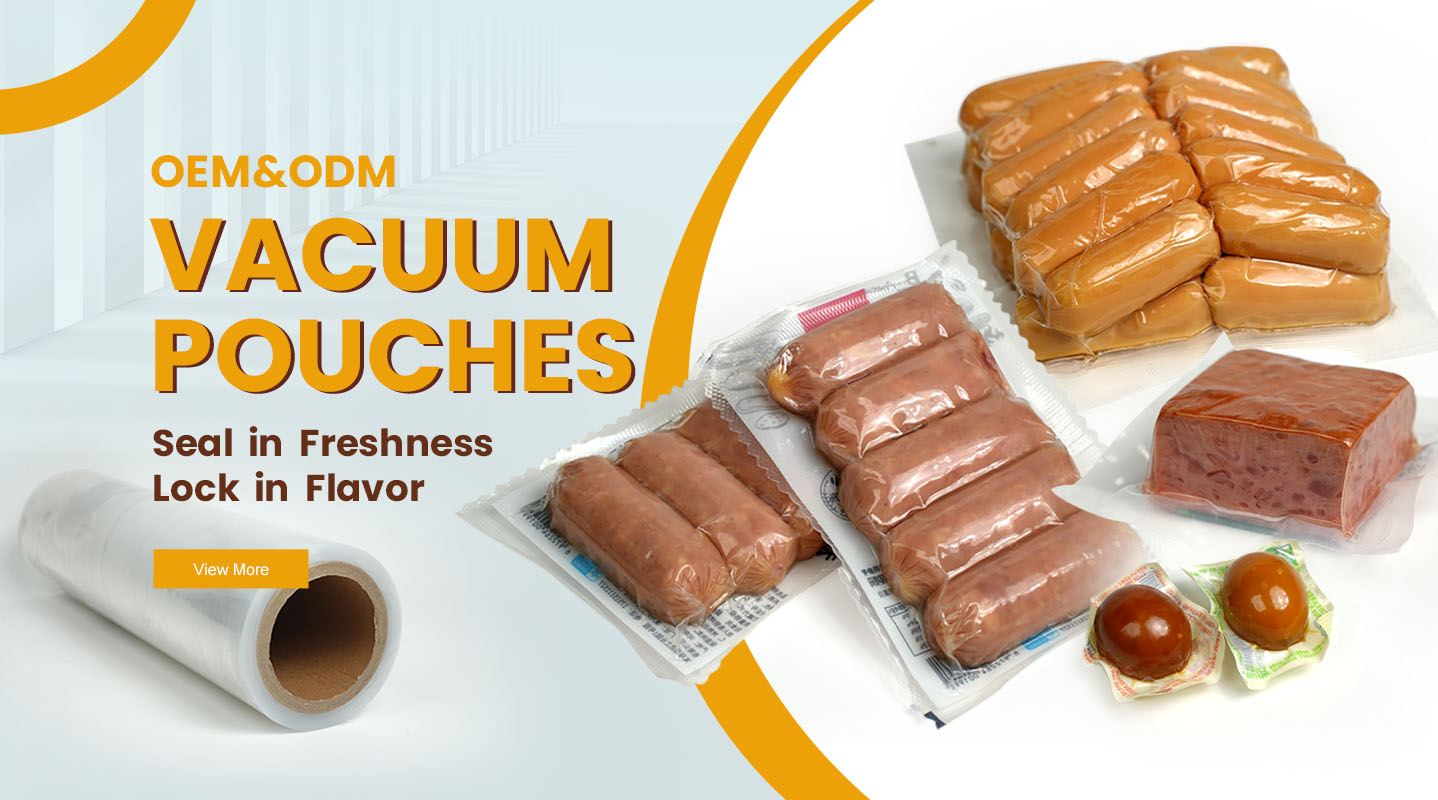
This is especially relevant for vacuum formats, thermoforming, and heavier products where single-layer packaging can be too fragile. JINBORUN’s catalog focus on Forming Films, Vacuum Pouches, and barrier food films reflects these “strength + barrier” use cases in real packing lines. (JINBORUN)
A laminate is not only about barrier. The sealant layer is selected for:
Wide sealing window to tolerate temperature variation
Seal strength to resist leaks
Hot tack for faster packaging speeds
For manufacturers, the practical KPI is fewer rejects and fewer unplanned stops. When you engineer the seal layer correctly, you can often improve throughput without sacrificing package integrity.
Lamination supports higher-quality printing and surface finishes that help with:
Brand consistency across SKUs
Better legibility for required information
A more premium “hand feel” and visual impact
JINBORUN specifically offers Printing And Laminated Film solutions positioned for food packaging, which is typically where surface appearance and graphic stability matter most. (JINBORUN)
When barrier and strength are achieved through smart layer design, many projects can explore down-gauging, using less material while meeting performance targets. This is where manufacturer-side engineering matters: the goal is to balance cost, machinability, and protection—not just add thickness.
A practical approach is to align the laminate design with the true risk factor:
Oxygen-driven: focus on oxygen barrier layer selection and humidity conditions
Moisture-driven: select high moisture-barrier structures and robust seals
Logistics-driven: strengthen the outer web and puncture resistance
Structure and typical use (examples)
| Typical structure idea | What it’s designed to improve | Common food examples |
|---|---|---|
| PET-based laminate + barrier core + sealant layer | Print stability, stiffness, oxygen protection, reliable sealing | Sauces, ready meals, processed foods |
| Nylon-based laminate + high barrier + sealant layer | Puncture resistance + oxygen barrier for demanding packs | Meat, seafood, cheese |
| Foil-containing laminate | Very strong moisture and light barrier | Coffee, spices, sensitive powders |
The exact structure should be validated with your target shelf life, distribution temperature, and your filling equipment.
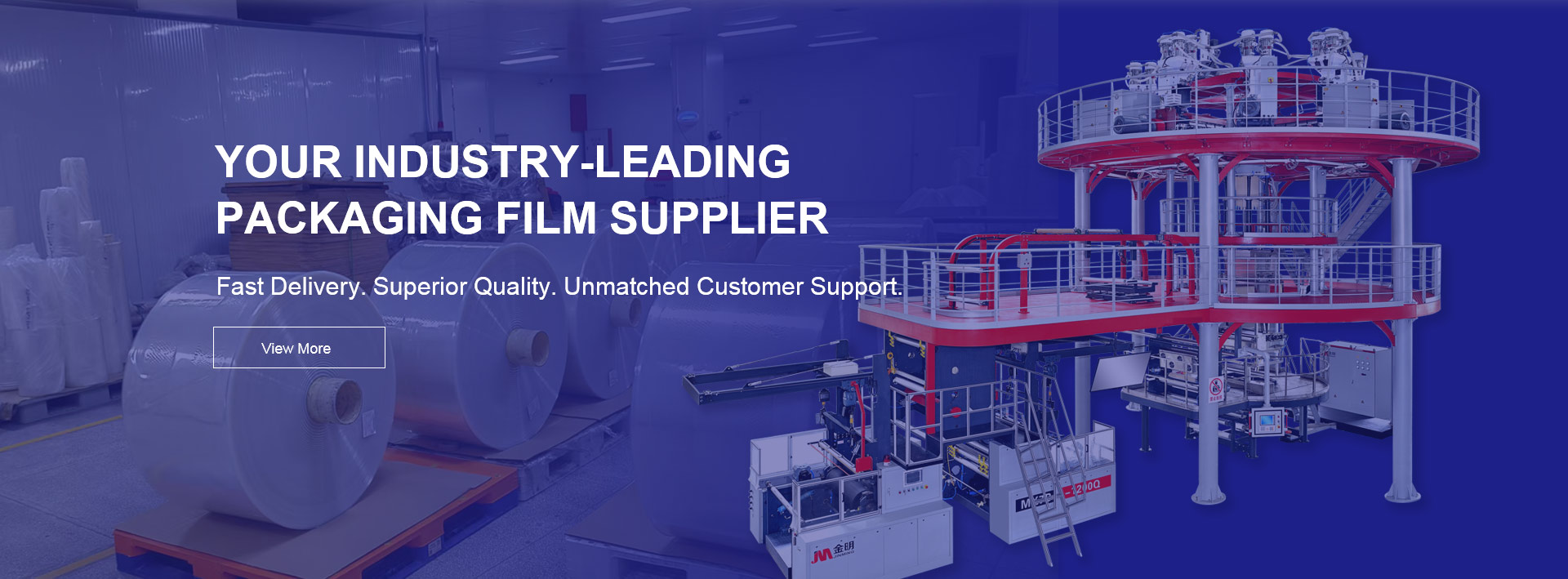
From a buyer’s perspective, film performance is only as consistent as the manufacturer’s process control. JINBORUN positions itself as a specialist in co-extrusion barrier food films and vacuum bags, offering forming films, barrier films, vacuum pouches, and printing & laminated films. (JINBORUN)
For project execution, advantages typically come from having:
Multiple product formats under one technical team for faster matching and trials
Customizable structures and specifications for different SKUs and packing lines
Stable quality for repeat bulk order requirements and OEM/ODM collaboration models (JINBORUN)
When you discuss a laminated film project with a manufacturer, share these inputs early:
Target shelf life and storage temperature
Product sensitivity: oxygen, moisture, light, aroma, oil migration
Pack type: vacuum pouch, forming film, rollstock, printed laminate
Line conditions: sealing temperature range, speed, contamination risk at seals
Distribution risks: drop height, compression, puncture exposure
This allows the supplier to propose a structure that is testable, scalable, and repeatable, rather than a one-off sample that cannot be reliably produced.
Laminated food packaging films deliver measurable benefits because they are engineered systems: barrier + strength + sealing + print performance working together. The result is longer-lasting quality, better line efficiency, and fewer packaging failures in real distribution conditions. When you work with a manufacturer that can supply multiple food formats and tune structures to your packing line, lamination becomes a practical tool for protecting product value—not just a packaging upgrade.
Previous: