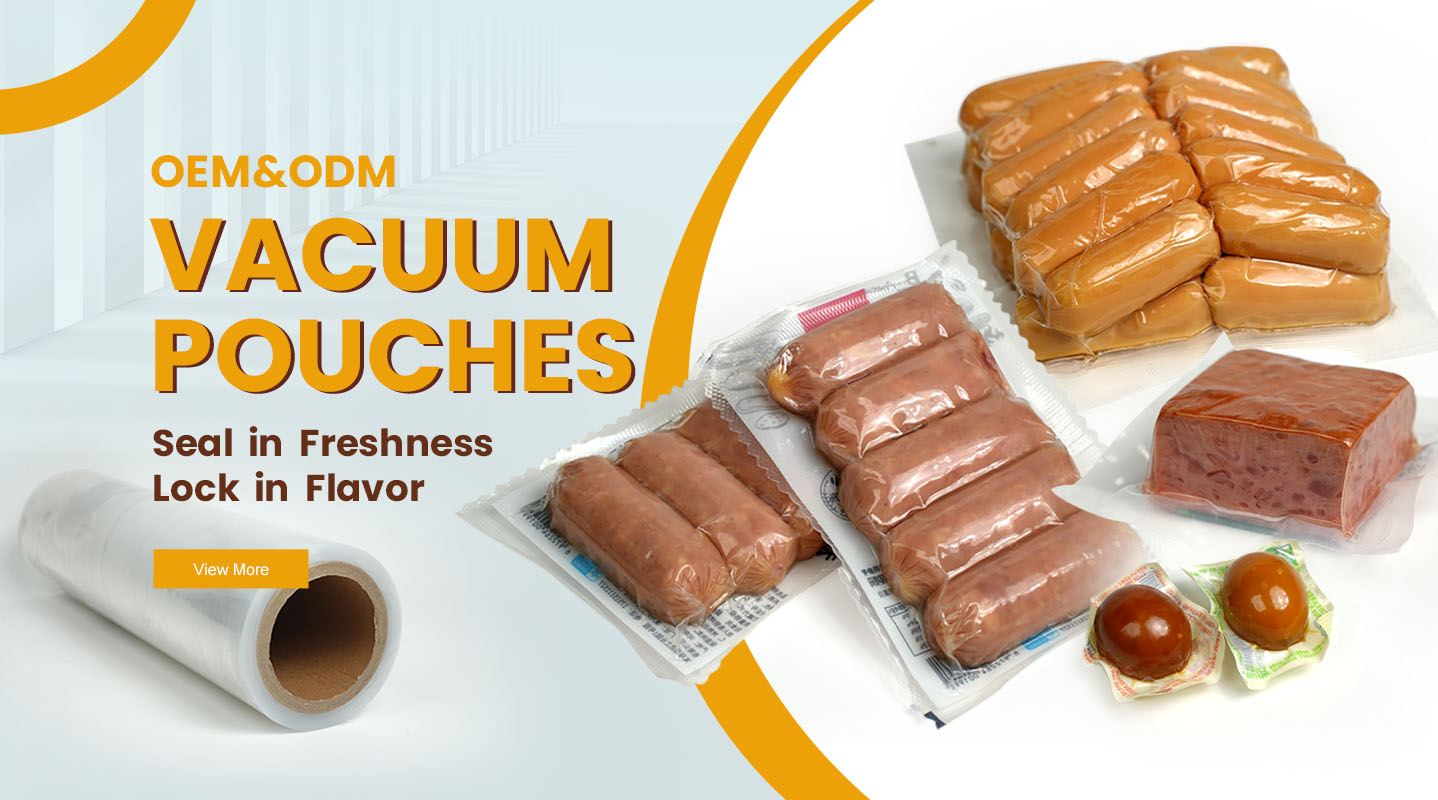
High-barrier Food Packaging Films are multilayer flexible materials designed to slow the transfer of oxygen, moisture vapor, aromas, oils, and sometimes light between the food and the outside environment. In practical terms, they help food manufacturers keep products tasting fresh, looking consistent, and remaining stable through filling, sealing, distribution, and storage, especially when shelf life is limited by oxidation, moisture gain or loss, aroma scalping, or freezer burn. JINBORUN positions barrier films as functional structures built to protect product integrity through tailored layer design and processing routes such as multilayer co-extrusion.
High-barrier films are typically selected when the product has a clear degradation path that packaging can slow down.
Oxygen-sensitive foods Oxygen can drive fat oxidation, color change, flavor loss, and microbial risks depending on product type. Barrier structures that reduce oxygen ingress are widely used for vacuum packs, thermoforming packs, and lidded trays for protein, deli, cheese, and ready-to-eat items.
Moisture-sensitive foods Snacks, powders, coffee, dehydrated ingredients, and crisp textures can fail quickly when water vapor moves through packaging. Moisture vapor control is also important for frozen foods to reduce surface dehydration and texture damage.
Odor and aroma control Foods with strong aromas may need odor containment. Conversely, high-value products like spices and coffee may need protection against aroma loss.
On JINBORUN’s side, their barrier film portfolio highlights structures aimed at blocking oxygen and water vapor and supporting applications including frozen meat, frozen cooked food, snacks, and seafood packaging needs.
When you specify high-barrier films, two metrics show up in nearly every technical discussion:
OTR oxygen transmission rate, how much oxygen passes through a material under defined conditions
WVTR or MVTR moisture vapor transmission rate, how much water vapor passes through the material under defined conditions
A common rule of thumb used in the converting and packaging industry is that a “high oxygen barrier” material is one with OTR below 1 cc per 100 in² per 24 hr, which is 15.5 cc per m² per 24 hr in metric units.
Why this matters: OTR and WVTR translate directly into shelf-life risk. If oxygen ingress is the main driver of rancidity or color shift, you prioritize oxygen barrier layers like EVOH-based structures. If loss of crispness or caking is the main issue, you prioritize moisture vapor barrier and seal integrity.
Below is a practical way to map products to barrier needs and the packaging functions that usually matter most.
| Food type | Main failure mode | Barrier focus | Typical packaging formats |
|---|---|---|---|
| Fresh and processed meats, seafood | oxidation, drip loss, odor, microbial growth | oxygen barrier plus seal integrity | thermoforming base web and top web, Vacuum Pouches, tray lidding |
| Cheese and dairy | oxidation, mold, aroma loss | oxygen barrier plus aroma control | lidding films, vacuum packs, shrink barrier films |
| Frozen foods | freezer burn, dehydration, seal failure at low temperature | moisture barrier plus toughness | frozen food packaging films, pouches, flow wrap |
| Snacks and nuts | loss of crispness, rancidity | moisture barrier plus oxygen barrier | metallized structures, multilayer laminations |
| Ready meals and stewing products | heat exposure, sauce migration, seal reliability | balanced barrier plus heat resistance | high-temperature or retort-capable film structures |
JINBORUN’s product pages emphasize multilayer structures and application coverage for frozen foods and seafood, and they describe medium barrier films designed to block oxygen and water vapor for frozen meat, frozen cooked foods, and snacks.
Many food processors use vacuum packaging or modified atmosphere packaging to slow spoilage. Packaging film performance becomes the limiting factor because the atmosphere you create is only effective if the package can maintain it.
A review on meat and fish packaging notes that vacuum packaging or MAP can reduce residual oxygen in headspace down to 0.5 to 2 vol%, but that may still be insufficient for some foods, which is one reason oxygen control and film selection remain critical.
There are also packaging strategies that intentionally use high oxygen in MAP for specific quality goals. A 2025 Iowa State Digital Press review notes high-oxygen MAP for meats can use 60 to 80% oxygen with 20 to 30% carbon dioxide to manage color and oxidation dynamics.
Your takeaway as a buyer is simple: barrier film is not just a bag or a wrap. It is the boundary that decides whether your gas mix or vacuum level stays stable long enough to deliver the target shelf life.
High-barrier films are rarely single-layer. They are usually multilayer structures where each layer is selected for a specific job:
Barrier layer for oxygen control, often EVOH in flexible structures
Strength and puncture layer often PA-based to resist handling stress and bone edges
Sealant layer often PE or PP tuned for sealing window, hot tack, and compatibility with your sealing equipment
JINBORUN’s technical content describes EVOH as a key oxygen barrier material that is typically protected between moisture-resistant layers such as PE or PP to maintain stable barrier performance in humid environments.
This is also where manufacturability matters. A film that looks strong on paper can underperform if it is not matched to your forming depth, sealing jaw profile, filling temperature, or product surface contamination.
To reduce qualification risk, request a short, testable checklist. For project buyers and engineering teams, this usually shortens sampling cycles and prevents line surprises.
Target OTR and WVTR at defined conditions Confirm the test method, temperature, humidity, and whether results are for film only or finished package.
Sealing window and hot tack behavior Ask for recommended sealing temperature range and minimum seal strength after contamination challenges like oil or moisture.
Formability and puncture resistance For thermoforming, define forming depth, draw ratio, and whether sharp product features are present.
Cold-chain and heat exposure limits For frozen foods and heat-treated products, confirm low-temperature toughness and any high-temperature holding requirements.
Printability and lamination compatibility If you need graphics, confirm surface treatment level and whether the structure supports your chosen converting route.
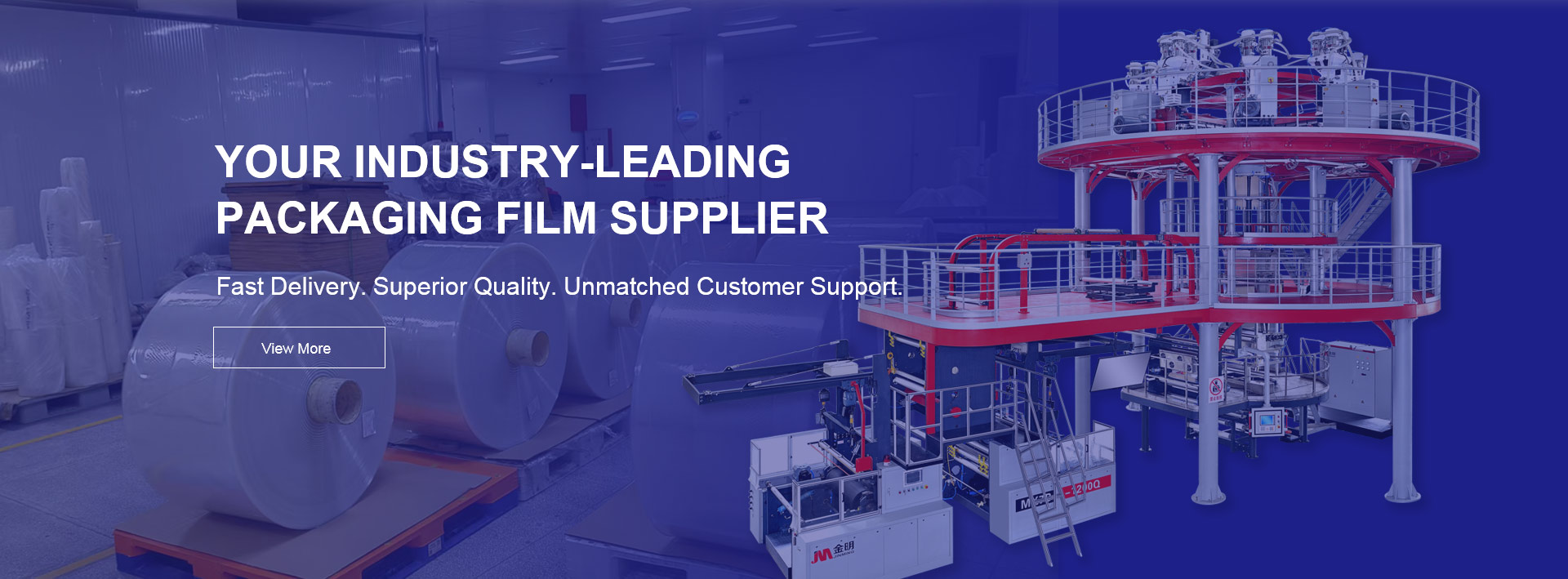
If your goal is consistent shelf life plus predictable processing, the supplier’s capability is as important as the material choice. JINBORUN presents itself as a focused packaging film manufacturer with barrier structures designed around multilayer composite or co-extrusion concepts across food categories such as frozen foods, seafood, and prepared foods.
Here is how that translates into buyer value:
Structure customization for different barrier levels and use cases, including formats such as barrier films and category-focused films
Process alignment support by matching film structure to packaging routes like thermoforming, vacuum, and lidding use patterns described in their product range
Manufacturing partnership flexibility for OEM and ODM programs where you need consistent specs, stable supply, and repeatable QC targets
If you are evaluating a new film or converting an existing one, start with your product failure mode, define OTR and WVTR targets, then validate the structure under your real sealing and distribution conditions. With the right high-barrier film specification, you can protect quality attributes that customers notice first: aroma, texture, color, and clean taste.
Recommended next step: Review JINBORUN’s barrier film range and short-list two to three candidate structures for sampling based on your product category and packaging format.