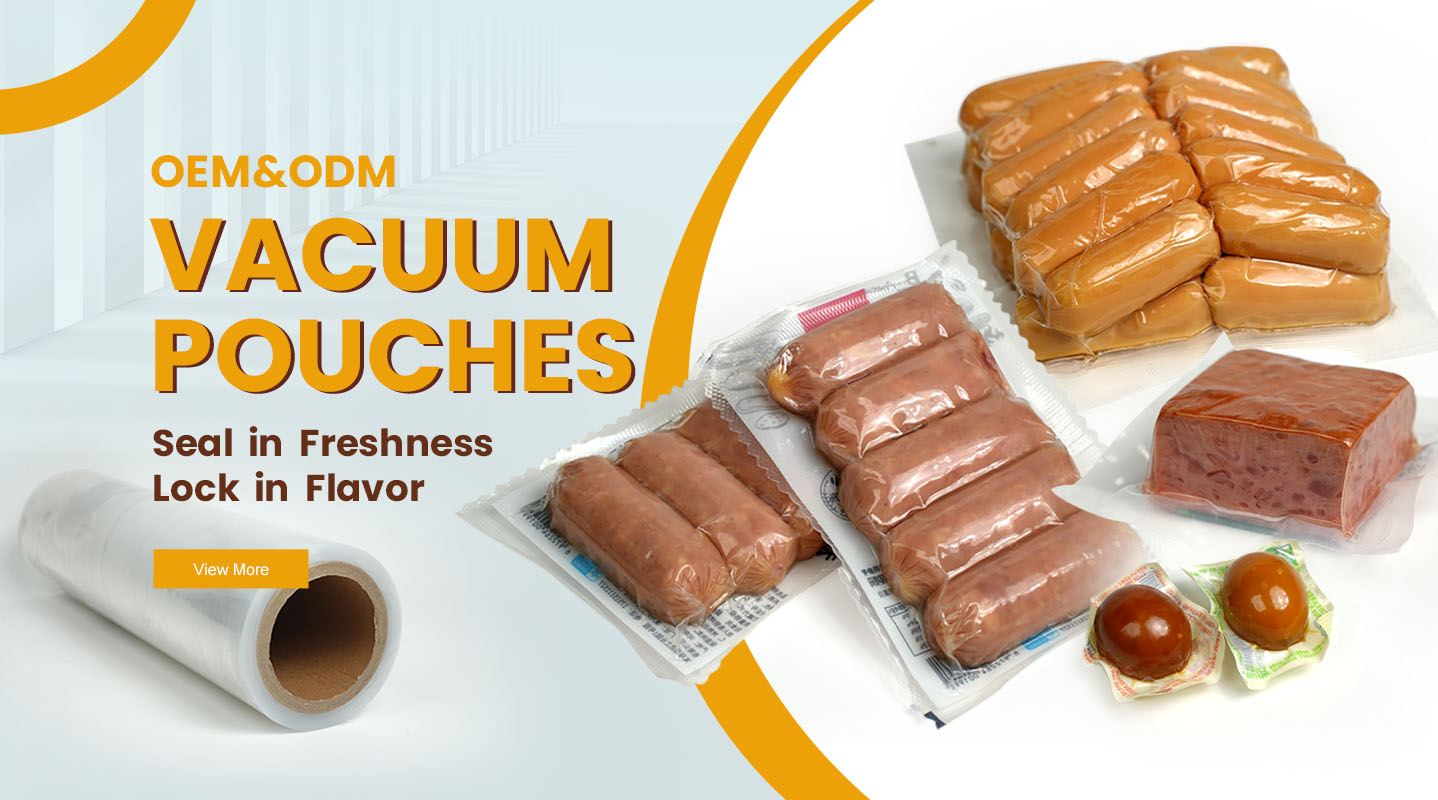
Vacuum Pouches can be safe for sous vide cooking when they are engineered for food contact, built with stable multi-layer structures, and sealed correctly so they stay airtight throughout long heat exposure. The risk is not “vacuum” itself, but whether the pouch material, seal, and barrier design are appropriate for time + temperature + food type. From a packaging manufacturer’s perspective, sous vide is a demanding use case because the pouch must hold vacuum, resist punctures, and remain stable in warm water for hours without softening, leaking, or releasing unwanted odors.
This guide focuses on how to evaluate vacuum pouches for sous vide and how to specify the right structure when sourcing.
For sous vide, “safe” typically involves four practical requirements:
Food-contact compliance The pouch must be produced from resins intended for food packaging, under controlled manufacturing conditions.
Heat stability at sous vide temperatures Sous vide is generally performed below boiling, but it can run for long durations. The pouch needs a stable inner sealing layer so the bag does not open or creep under heat.
Low odor and clean taste A good pouch should not introduce plastic smell, especially with long cook times and fatty foods that can absorb odors.
Seal integrity and puncture resistance A micro-leak ruins the vacuum, affects cooking results, and creates contamination risk. Strong sealing performance and puncture resistance matter as much as material choice.
Many sous vide-capable vacuum pouches use co-extruded, multi-layer barrier films. A very common structure is PA/PE, where:
PA layer contributes toughness, puncture resistance, and oxygen barrier support
PE layer provides reliable heat sealing and moisture resistance
The exact layer count, thickness, and formulation should match your product and process. For instance, sharp bones, hard shells, or frozen edges demand stronger puncture resistance than soft foods.
Sous vide is “low temperature,” but it is also long time. That combination stresses packaging in ways that quick reheating does not.
When selecting a vacuum pouch, define:
Your maximum process temperature
Maximum hold time at temperature
Whether the pouch will be chilled, frozen, then cooked
Food composition: high-fat, acidic, salty, or seasoned foods can be more demanding
A pouch that looks fine during a short warm-water test may fail during extended cooking if the seal layer softens or the pouch shrinks and pulls at the seal line.
| Pouch type | Typical strengths | Typical risks in sous vide | Best-fit products |
|---|---|---|---|
| Co-extruded vacuum pouch | Balanced barrier and mechanical strength, consistent sealing | Wrong thickness or seal settings can cause micro-leaks | Proteins, prepared meals, seafood, vegetables |
| High-barrier vacuum pouch | Better oxygen barrier for longer shelf life | May require more precise sealing conditions | Longer storage + sous vide workflows |
| Freezer-ready vacuum pouch | Designed to resist cracking at low temperature | If not heat-stable enough, long cooking can stress seals | Freeze-then-cook programs |
| Printed or laminated vacuum pouch | Branding and information display | Poor lamination design can affect flexibility if not engineered well | Retail-ready lines requiring strong presentation |
The key is not “one bag fits all,” but selecting a structure validated for your temperature/time range and product handling.
Even good materials can fail if the pouch is mismatched or used incorrectly. The most common root causes we see in real-world packaging feedback include:
Seal contamination: oil, spices, or moisture on the seal area reduces sealing strength
Under-vacuum or poor vacuum chamber settings: trapped air expands in heat and stresses the seal
Seal width too narrow for long-time heating
Punctures from bones, sharp frozen corners, or rough handling
Inconsistent film thickness leading to weak points and pinholes
If your operation includes freezing, distribution, or automated loading, specify that upfront because it changes the required toughness and sealing window.
If you want reliable sous vide performance at scale, treat the pouch as a process component, not just a consumable. A clear inquiry should include:
Target temperature range and cook duration
Food type and condition: fresh, marinated, frozen, bone-in, high-fat
Packaging format: flat, three-side seal, custom sizes
Thickness preference and puncture requirements
Vacuum method: chamber vacuum, nozzle, thermoforming line
Storage conditions: chilled shelf life goals, freeze-thaw cycles
Printing or labeling needs if you want retail-ready presentation
Well-defined requirements allow the manufacturer to recommend the right co-extrusion structure and sealing behavior rather than guessing.
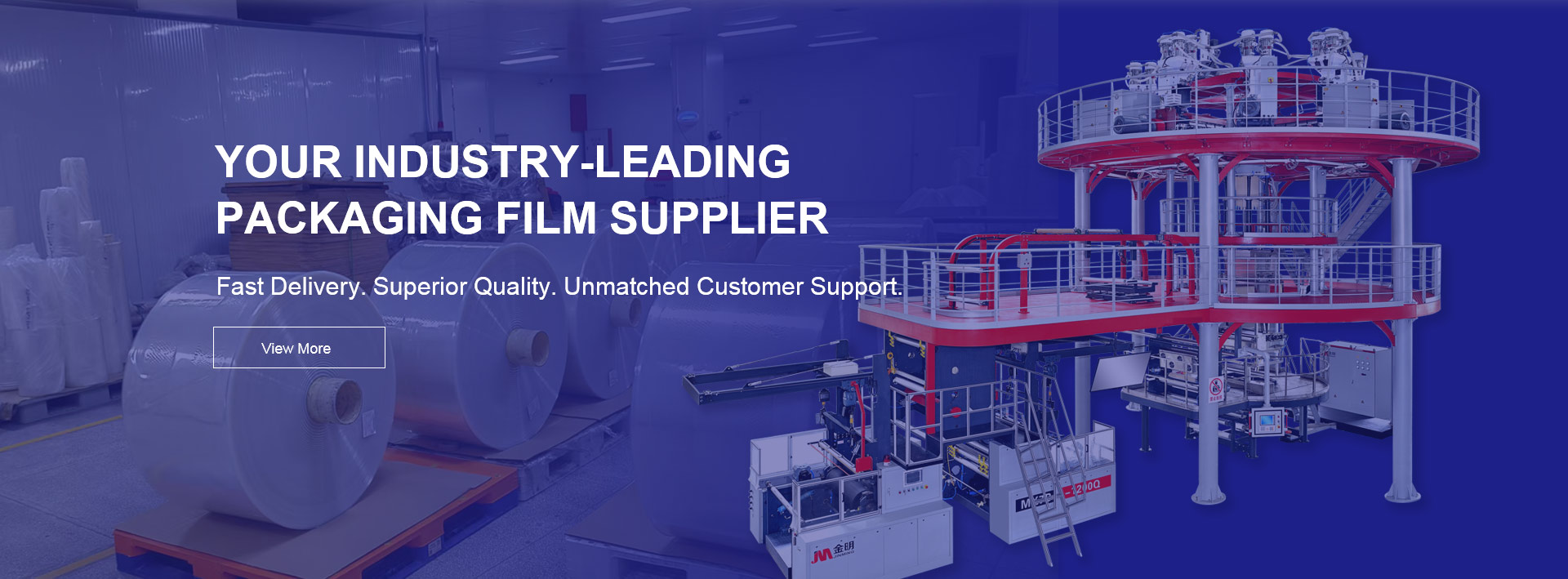
When sous vide reliability matters, consistency is everything: film thickness stability, repeatable barrier performance, and a sealing window that works across real production conditions. JINBORUN focuses on functional co-extrusion barrier food films and vacuum pouches, which is the core foundation for sous vide-grade packaging performance.
From a sourcing and project execution perspective, this brings practical advantages:
Manufacturing control over film structure to match your temperature/time and product handling needs
Customizable pouch specifications so you can align size, thickness, and sealing design with your packing process
Packaging solution support for different product categories, including chilled and frozen workflows
Scalable supply for ongoing orders, reducing batch-to-batch variability that causes sealing and leakage issues
If you are developing a product line or upgrading packaging for stability and shelf-life, working with a manufacturer that specializes in co-extruded barrier film solutions can lower failure rates across production, logistics, and end-use cooking.
Vacuum pouches are safe for sous vide when the pouch is designed for food contact, validated for your heat exposure, and sealed correctly. For consistent results, define your temperature and time limits, match the pouch structure to your product risk factors, and source from a manufacturer that can control multi-layer film performance and sealing reliability. That is exactly where JINBORUN’s co-extruded barrier film and vacuum pouch expertise supports more stable, repeatable outcomes in real kitchens and real production lines.